
Introduction
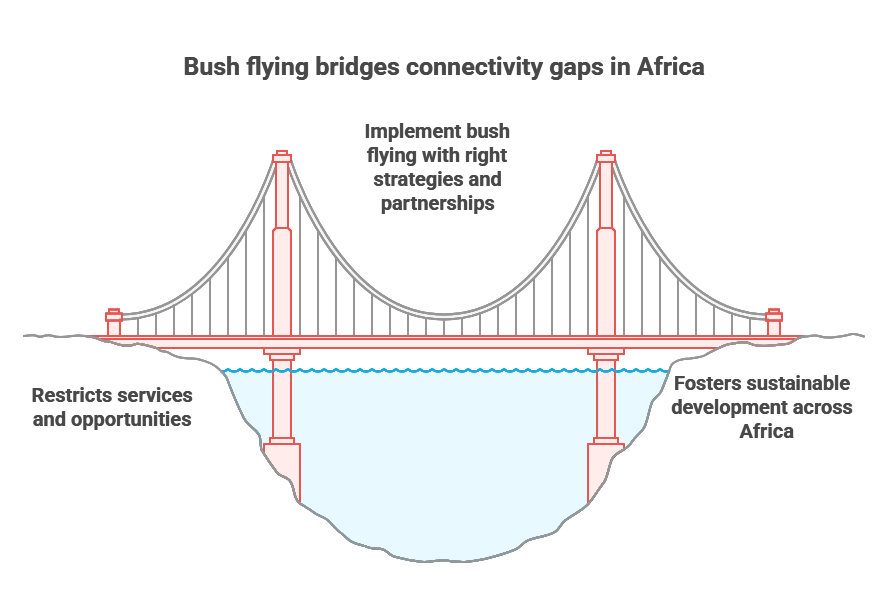
Aviation has always been a powerful enabler of economic growth, global connectivity, and regional development. Yet, in many parts of Africa, vast distances, challenging terrains, and a lack of transportation infrastructure continue to restrict access to basic services and economic opportunities. Bush flying, the use of small, rugged aircraft to connect remote areas, offers a transformative solution. With the right strategies, partnerships, and aircraft, bush flying could redefine mobility across Africa’s underserved regions, fostering sustainable development and bridging connectivity gaps.
What Is Bush Flying?
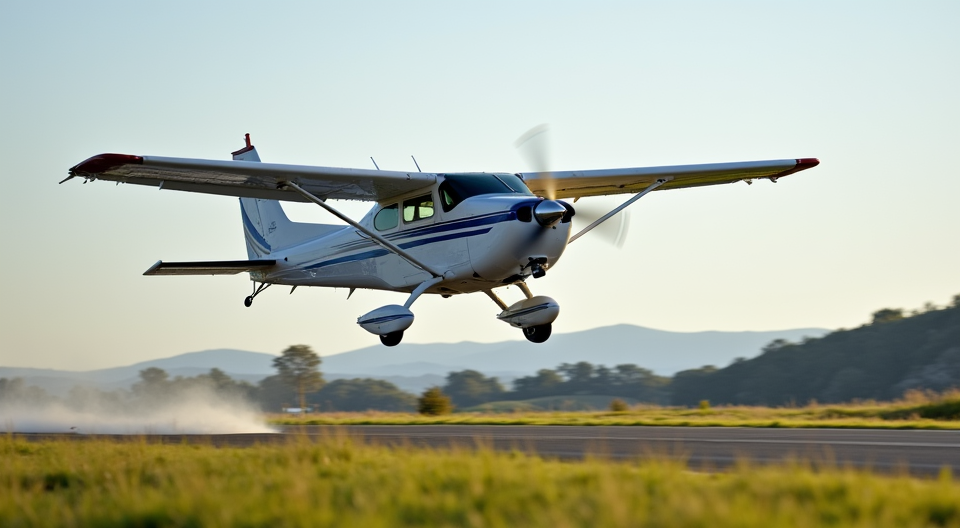
Bush flying involves operating small, highly durable aircraft in and out of remote, undeveloped areas where traditional airports may not exist. Bush planes are specially designed to withstand rough landings, unpredictable weather, and minimal ground facilities. Built from lightweight materials like aluminum and carbon fiber, these aircraft combine durability with flexibility, enabling them to operate safely on unprepared surfaces such as dirt strips, grass fields, and even frozen lakes.
Their critical role goes beyond transportation, bush planes deliver essential supplies, provide medical evacuations, support tourism, and maintain vital economic lifelines to isolated communities. In regions where ground transportation is impractical, bush flying becomes not just a convenience, but a necessity.
Network Models for Bush Flying
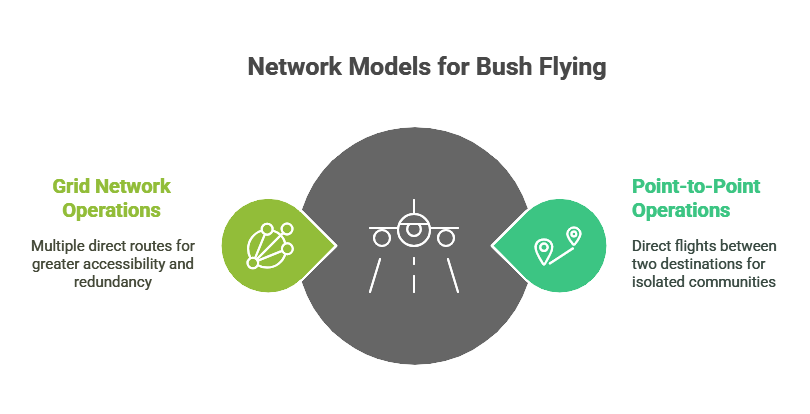
Point-to-Point Operations
In a point-to-point system, flights connect passengers directly between two destinations without stopping at an intermediary hub. In bush flying, this model is particularly useful for serving isolated communities that need direct access to essential services, such as healthcare facilities or major towns. Benefits of this approach include faster travel times, greater flexibility, and lower operational complexity.
However, point-to-point networks may not efficiently serve areas with highly dispersed populations or multiple access needs, as the number of individual routes required can become unwieldy.
Grid Network Operations
A grid network connects multiple locations directly, resembling a web or net. This model creates numerous possible routes between destinations without relying on a central hub. In the context of bush flying, a grid system allows for greater accessibility, redundancy, and choice, making travel options more flexible for passengers and cargo services alike.
Implementing a comprehensive grid network can require higher initial investment to develop additional landing sites and manage more complex flight operations. Nevertheless, the redundancy of the grid enhances safety and reliability — critical advantages when operating in rugged or isolated regions.
Case Study: Bush Flying in Ontario, Canada
Bush flying has a rich and storied history in Ontario, Canada, where it became a lifeline for remote mining communities, Indigenous populations, and isolated settlements. Operating over rugged terrains filled with forests, lakes, and limited infrastructure, bush pilots pioneered the grid network model to deliver mail, supplies, and passengers efficiently across vast distances.
Ontario’s bush flying system demonstrated how small aircraft could sustain local economies, provide essential services, and facilitate regional growth, despite challenging geographic barriers. The adaptability and success of this model serve as a blueprint for other regions facing similar logistical hurdles, including many parts of Africa.
Why Africa Needs Bush Flying
Africa’s aviation industry holds immense promise, yet significant challenges persist. Despite accounting for roughly 16% of the world’s population, African airlines handle only about 2% of global air traffic. The continent’s sheer size, diverse geography, and the fact that one-third of its countries are landlocked create a pressing need for innovative aviation solutions.
Bush flying offers a viable answer. Many African regions lack sufficient ground transport infrastructure such as highways and railways, making air connectivity crucial for development. Bush planes can bridge these gaps, connecting isolated communities to major cities, healthcare, education, and economic opportunities.
With smart integration into broader aviation networks, bush flying can help Africa realize its full potential by enhancing mobility, supporting tourism, boosting trade, and stimulating rural economies.
Impact of Bush Flying on Legacy Carriers
Partnering with bush flying operators can offer substantial advantages for legacy carriers and global airline networks. By integrating bush operations into their feeder systems, legacy airlines can:
- Increase Passenger Volume: Bush networks can funnel new passengers from remote areas to mainline hubs, improving load factors.
- Expand Market Reach: Access to underserved regions unlocks new revenue streams and diversifies market opportunities.
- Enhance Hub Efficiency: A steady flow of connecting passengers strengthens the profitability and efficiency of hub-and-spoke operations.
- Improve Corporate Social Responsibility: Supporting rural connectivity initiatives can enhance an airline’s public image and demonstrate commitment to sustainable development goals.
Notably, successful partnerships, like the codeshare agreement between Safarilink Aviation and Kenya Airways, show how bush flying integration can drive tourism growth and contribute to national economic development.
Subsidy Systems and Economic Incentives
Implementing a well-designed subsidy system could further strengthen the integration between legacy carriers and bush flying operators. By financially supporting bush flights that bring passengers from remote areas to major hubs, legacy airlines can secure a reliable influx of traffic, enhancing their load factors and overall network profitability.
For bush flying operators, subsidies can provide crucial financial stability, enabling them to expand routes, invest in safer operations, and offer more consistent service. Meanwhile, remote communities would gain greater access to essential services, opening the door to economic development, improved healthcare, education, and social mobility.
This “win-win” approach fosters broader regional growth while helping airlines meet social responsibility goals. Policymakers and aviation stakeholders should explore public-private partnerships and incentive structures that support such integrations sustainably.
Aircraft Types Suitable for Bush Flying in Africa
Choosing the right aircraft is critical for successful bush flying operations in Africa’s diverse and challenging environments. Key characteristics include short takeoff and landing (STOL) capabilities, rugged construction, and low operating costs.
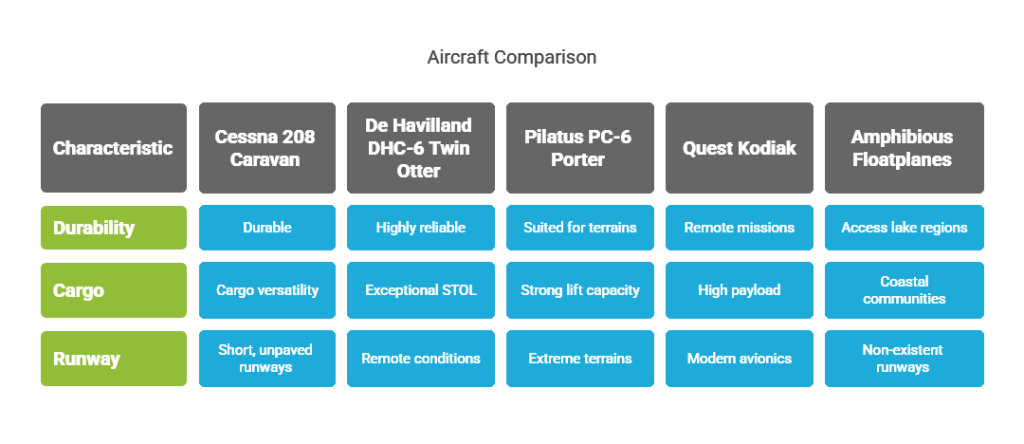
Ideal aircraft for African bush flying include
- Cessna 208 Caravan: Known for its durability, cargo versatility, and ability to land on short, unpaved runways.
- de Havilland DHC-6 Twin Otter: Highly reliable in remote conditions with exceptional STOL performance.
- Pilatus PC-6 Porter: Perfect for extreme terrains, offering strong lift capacity and maneuverability.
- Quest Kodiak: Designed specifically for remote missions with modern avionics and high payload capabilities.
- Amphibious Floatplanes: Useful for accessing lake regions or coastal communities where runways are non-existent.
The right fleet selection balances operational flexibility, affordability, and performance under Africa’s unique environmental demands.
Conclusion: Unlocking Africa’s Aviation Potential
Bush flying represents a transformative opportunity to bridge Africa’s transportation gaps and unlock sustainable economic development. With strategic partnerships, targeted subsidies, and suitable aircraft, aviation can reach even the most remote corners of the continent.
Legacy carriers stand to benefit through increased connectivity and revenue, bush operators can gain financial security and expanded reach, and isolated communities can enjoy better access to healthcare, education, and trade. The integration of aviation with sectors like eco-tourism and agriculture further amplifies this potential.
By embracing innovation, collaboration, and investment in bush flying, Africa can pioneer a new era of inclusive growth, ensuring that no community remains disconnected from opportunity.