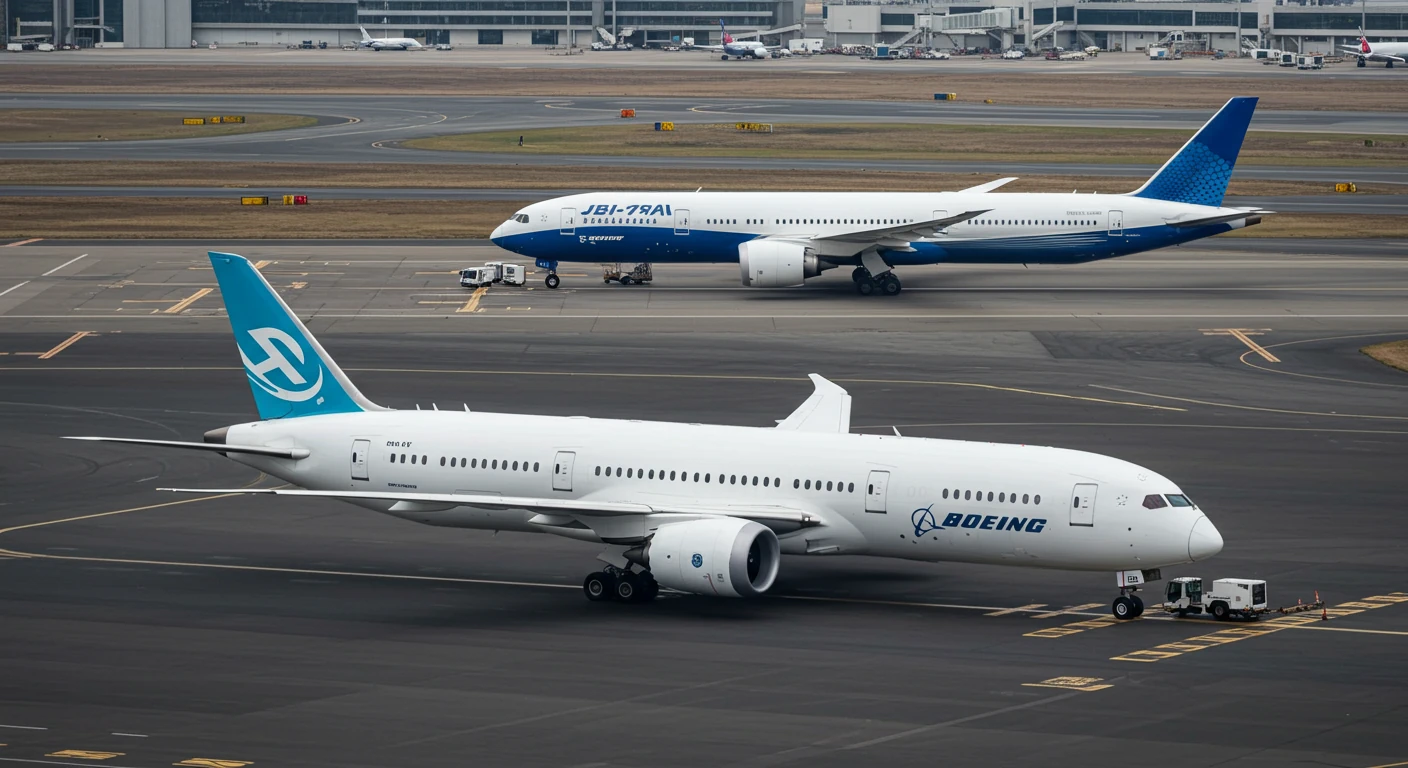

The aviation industry is constantly evolving, driven by innovation and efficiency. Boeing’s two flagship aircraft, the 787-10 Dreamliner and the 777X, are prime examples of this evolution. Both aircraft embody cutting-edge technology, passenger comfort, and fuel efficiency. Airlines around the world, including Ethiopian Airlines, are aligning their future fleet strategies with such advanced aircraft to remain competitive and sustainable.
The Boeing 787-10: The Dreamliner Evolved
The 787-10 is the largest variant of the Dreamliner family, designed for medium- to long-haul routes. With a length of 68.3 meters, it offers more seating capacity while maintaining the same revolutionary carbon-fiber composite fuselage and quiet, fuel-efficient engines.
Key Features of the 787-10
- Up to 25% better fuel efficiency per seat compared to older aircraft.
- Advanced aerodynamics and lightweight materials.
- A smoother ride with improved cabin pressure and humidity levels.
- Quieter engine design for reduced noise footprint.

The Boeing 777X: Where Power Meets Innovation
The 777X is Boeing’s newest twin-aisle aircraft and the largest twin-engine jet ever built. It blends the best of the 777 family with technologies pioneered in the 787, making it a hybrid of size, performance, and next-generation features.
Key Features of the 777X
- Folding wingtips to allow larger wingspan with airport compatibility.
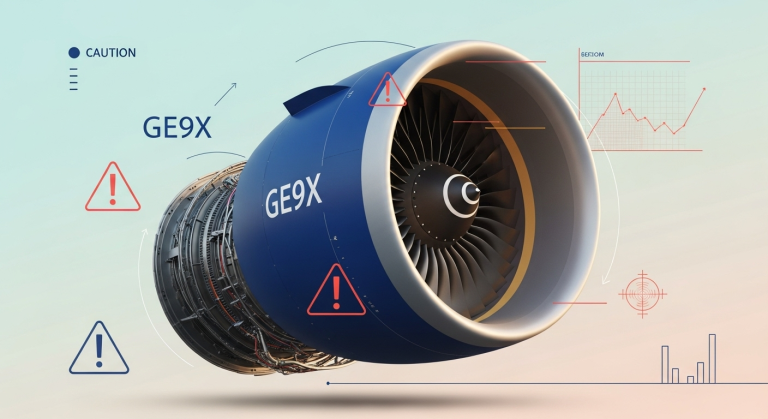
- Advanced GE9X engines, the most fuel-efficient jet engines in their class.
- Composite wings similar to those of the 787.
- High-capacity seating with new cabin comfort designs.
- Common systems architecture with the 787 for pilot and maintenance synergy.
Shared Innovations Between the 787 and 777X
What makes the 777X particularly impressive is how much it borrows from the 787. Both aircraft feature similar electrical system architectures, including:
- RPDU (Remote Power Distribution Unit) for efficient and flexible electrical routing.
- Integrated Modular Avionics (IMA) for streamlined software updates and diagnostics.
- Electronic Environmental Control Systems for better cabin air quality.
- Cockpit design similarities for easier pilot transition.
The interior layout of the 777X also reflects the 787’s modern approach—sleek lines, larger windows, higher ceilings, improved mood lighting, and quieter cabins. This shared design philosophy results in both aircraft delivering a next-generation passenger experience.
787-10 vs. 777X: A Strategic Comparison
| Feature | Boeing 787-10 | Boeing 777X |
| Range | ~6,430 nautical miles | ~7,285–8,730 nautical miles |
| Passenger Capacity | 318 (typical 2-class) | Up to 426 (777-9) |
| Key Advantage | Fuel efficiency for medium routes | High capacity for long-haul and hub routes |
| Cabin Pressure Altitude | 6,000 ft (better comfort) | 6,000 ft |
| Entry into Service | 2018 | Expected 2025 |
| Shared Technology | Cockpit, RPDU, Electrical & Avionics Systems | Same as 787 |
The Boeing 787-10 and 777X represent the future of commercial aviation. Their shared DNA, ranging from advanced interior layouts to identical avionics and electrical systems, offers airlines flexibility and reduced operational complexity. As carriers plan for the future, aircraft like the 787-10 and 777X are likely to play a pivotal role in their global expansion strategies.