Aviation Market Analysis
When Airbus launched the A350-1000, the largest member of the A350 family, it was designed to compete head-to-head with Boeing’s flagship 777-300ER and upcoming 777X. This widebody jet promised long-haul aircraft efficiency, lower operating costs, and reduced emissions, but was the investment strategically sound?
Market Demand and Competitive Context
At its 2013 program update, Airbus positioned the A350-1000 as the ultimate long-range aircraft market share challenger. Airlines were demanding more fuel-efficient widebody aircraft as oil prices and environmental pressures grew. According to Airbus’s market forecasts, global demand for twin-aisle jets in the 300 – 410 seat range was projected to remain strong through the 2030s.
The A350-1000’s fuel efficiency and emissions performance has been a key selling point. It offers a 25% reduction in fuel burn per seat compared to older generation aircraft like the Boeing 777-300ER, aligning with the sustainable aviation widebody solutions trend.
Airline Uptake and Order Trends
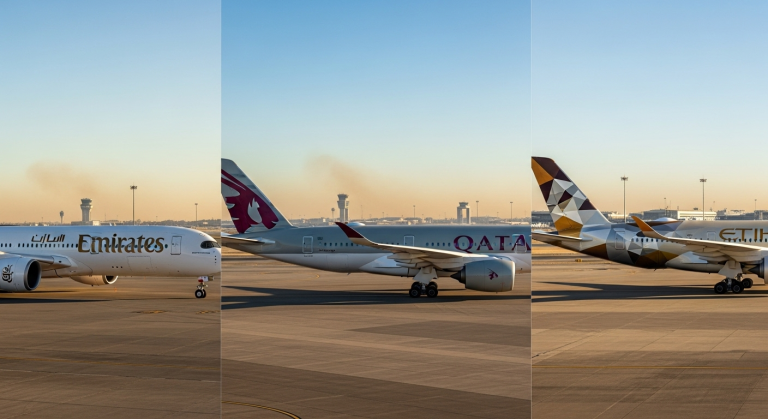
While the A350-900 has enjoyed broader adoption, the A350-1000’s airline uptake of next-gen widebody jets has been steady but niche. Notable customers include Qatar Airways, British Airways, Cathay Pacific, and new entrants like Riyadh Air. Delta, Lufthansa, and China Airlines have also placed orders, signaling confidence in the aircraft’s economics.
As of 2025, Airbus’s aircraft order book trends show over 170 A350-1000 orders, far fewer than the A350-900 but in line with expectations for a specialized, high-capacity long-haul passenger aircraft.
Performance and Operational Economics
The A350-1000 operating costs and economics make it a strong performer in high-demand long-haul routes. Powered by Rolls-Royce Trent XWB-97 engines, it delivers extended range capabilities up to 8,700 nautical miles while carrying more passengers than the A350-900.
For many airlines, the A350-1000’s combination of payload capacity, range, and fuel efficiency has provided a competitive advantage, especially when replacing older 777s. The A350-1000 vs Boeing 777X performance debate continues, with Airbus benefiting from earlier entry into service compared to Boeing’s delayed 777X program.
Sustainability and Fleet Renewal Strategy
In the context of airline fleet renewal strategies 2025, the A350-1000 aligns perfectly with decarbonization goals. The aircraft’s composite airframe reduces weight, contributing to fuel efficiency and emissions reductions.
Airbus has also positioned the type for sustainable aviation initiatives, including compatibility with 50% sustainable aviation fuel (SAF) blends, with plans to increase to 100% SAF capability by 2030.
Strategic Verdict
From a widebody fleet renewal perspective, Airbus’s investment in the A350-1000 appears strategically sound. While it may never match the A350-900 in sheer numbers, its role as a flagship intercontinental aircraft for premium long-haul carriers has been cemented.Its competitive edge in efficiency, sustainability, and passenger comfort ensures that the A350-1000 will remain relevant well into the 2030s, particularly in a market shifting toward next-generation long-haul aircraft that balance capacity with environmental performance.