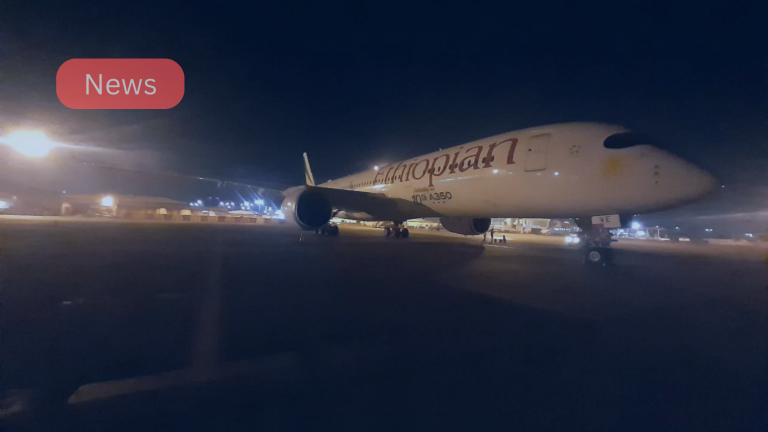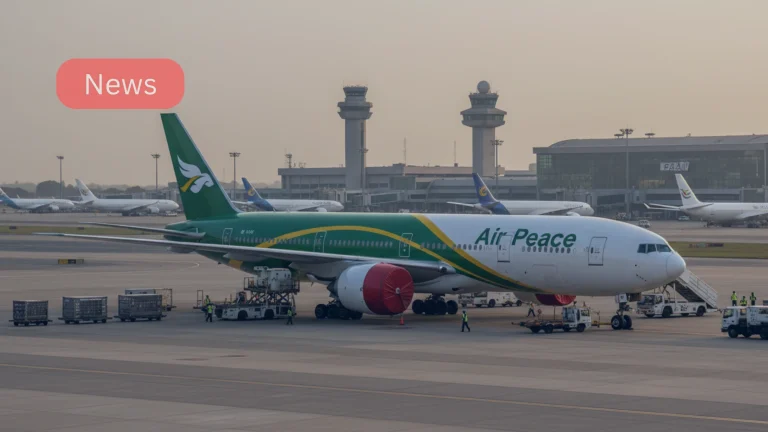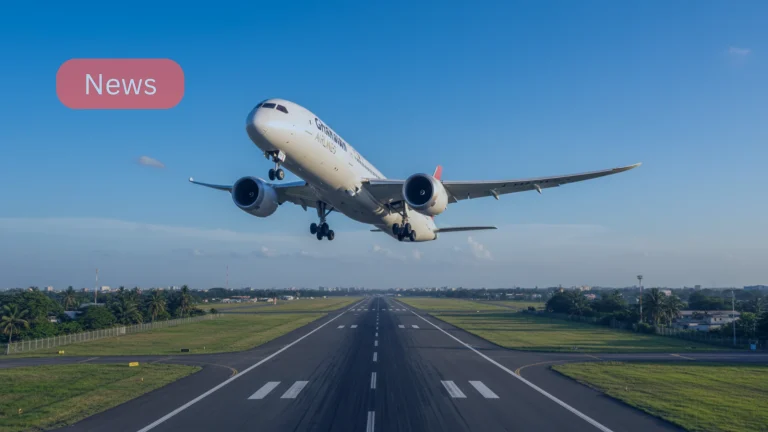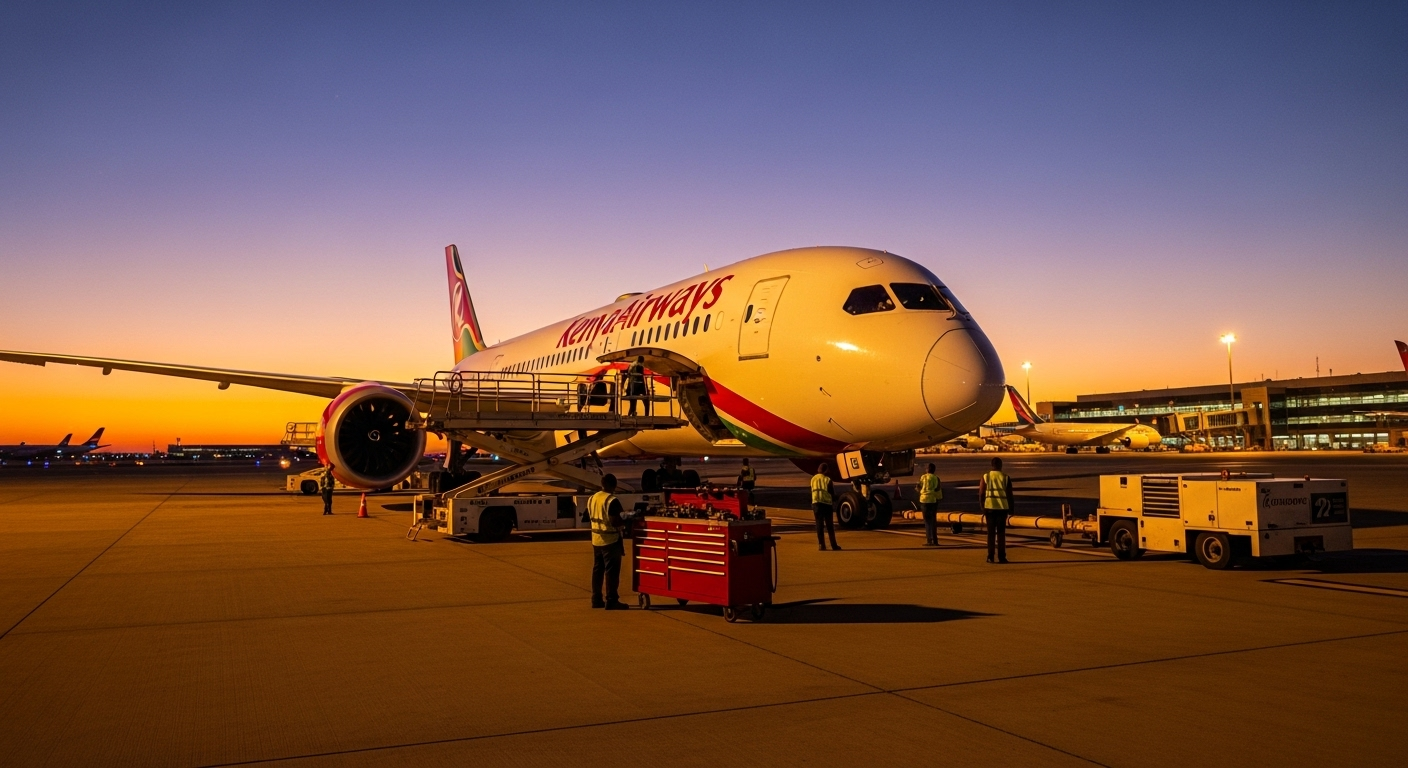

Kenya Airways reported a sharp first-half loss for 2025 after multiple Boeing 787-8s were grounded for extended maintenance, a setback the carrier says is easing as aircraft return to service and parts bottlenecks slowly improve. According to FlightGlobal editor Lewis Harper, the airline has “welcomed the return to service of one of three grounded Boeing 787s in July,” with the remaining two 787s expected back later this year. He adds that KQ is grappling with longer GEnx engine shop-visit times and global shortages of avionics and other spares.
Kenya Airways disclosed a pretax loss of KSh 12.17 billion (~US$94 million) for H1 2025, swinging from a profit in the same period last year, as capacity fell and revenue dropped to roughly KSh 74.5–75 billion. Those figures are confirmed by the airline’s half-year press release and investor briefing, and by independent reporting from Reuters.
Engine Delays and Parts Shortages Hit Operations
FlightGlobal reports that GEnx-1B overhauls now take 90–120 days, up from about 60 days previously, while avionics lead times have lengthened and demand for OEM spares exceeds supply by an estimated 10–20%. These constraints have reduced aircraft availability and contributed to a capacity decline from the prior year.
This experience is not unique to Kenya Airways. Airlines across regions have warned about lingering maintenance backlogs and supply chain friction affecting engines and components. For example, Air New Zealand flagged “unpredictable” maintenance timeframes earlier this year amid reliability issues and long shop visits on parts of its fleet. Such context underscores the structural nature of today’s engine maintenance delays rather than an isolated Kenya-specific problem.
Financial Picture: From 2024 Gains to 2025 Strain
Kenya Airways ended 2024 with a full-year pretax profit, aided in part by foreign-exchange gains after the Kenyan shilling appreciated. But the H1 2025 period reversed that momentum. Reuters details the pretax loss of KSh 12.17 billion, a drop in passenger revenue, and higher operating losses compared with H1 2024, when the airline posted an operating profit. The airline’s own press release similarly cites a capacity reduction to 6,715 million ASKs from 7,991 million a year earlier and total revenue near KSh 75 billion, down from KSh 91 billion in H1 2024.
Kenya Airways also indicated in filings and briefings that it plans to raise capital to support fleet restoration and growth, a step Reuters has reported could total at least $500 million by early 2026, subject to shareholder approvals. That plan is part of a longer-term recovery effort following years of pandemic-era losses and debt restructuring.
‘Kenya Airways grounded 787s’: Where Recovery Stands Now
- One 787 returned to service in July 2025, with two more expected back before year-end, per the airline and FlightGlobal.
- Engine overhauls are taking longer, with GEnx-1B turnaround times stretching to 90–120 days.
- Spares shortages continue, especially avionics, with demand outpacing supply by 10–20%, FlightGlobal reports.
Aviation Week separately quoted Kenya Airways COO George Kamal saying the three grounded 787s shaved roughly 20% off revenue, highlighting the outsized financial impact when a small long-haul fleet loses multiple aircraft at once.
Kenya Aviation News: What’s Driving the Long Delays?
Supply Chains Still Catching Up
Pandemic disruptions created a backlog at engine shops and MROs. Even as demand for travel rebounded, MRO capacity and parts availability lagged. FlightGlobal’s reporting that spares demand exceeds supply by 10–20% echoes wider industry commentary throughout 2024–2025. Airlines have resorted to robust cannibalization strategies, extended lease terms, and schedule trims to bridge gaps while waiting for engines and components.
Engine Specifics: GEnx-1B Shop Visits
While the GEnx-1B is not embroiled in a single, headline reliability saga akin to the Trent 1000’s earlier challenges, it has faced longer-than-expected shop visits in today’s constrained environment. Independent summaries note both major 787 engine families have encountered reliability and maintenance issues at various points in their life cycles, though current Kenya Airways delays are primarily turnaround-time and supply chain related.
African Airline Finances: Pressure Points and Paths Forward
Kenya Airways’ H1 2025 loss reflects a broader challenge for African flag carriers: currency volatility, higher financing costs, and thin spare-parts pipelines can compound quickly when a few aircraft sit idle. Reuters’ coverage frames KQ’s shift from H1 2024 profit to H1 2025 loss alongside a fall in passenger numbers and revenue, a reminder of how quickly performance can swing when long-haul capacity drops.
Still, there are green shoots. The airline says it is “better placed” for H2 2025 as more widebodies rejoin the schedule. Its investor materials also outline a fleet restoration and capital plan designed to stabilize capacity, reduce disruptions, and support growth.
Outlook: Can Kenya Airways Close the Gap in H2?
If Kenya Airways brings its remaining grounded 787-8s back by year-end, it should reclaim lost long-haul capacity, rebuild passenger revenue, and ease reliance on costly wet leases or suboptimal scheduling. However, the engine maintenance delays and spares scarcity are industry-wide and may persist into 2026. The airline’s stated capital raise aims to strengthen the balance sheet and position it for fleet investments that can improve reliability and efficiency.
In parallel, management must navigate currency risk, interest costs, and competitive dynamics on key routes. Executing the recovery plan will likely hinge on stable operations and predictable engine TATs, variables still influenced by global supply chains.
Key Takeaways
- H1 2025 loss: KSh 12.17b pretax loss on revenue near KSh 75b, capacity down year on year.
- Grounded 787s: One Dreamliner back in July; two more expected in service in H2 2025.
- Maintenance headwinds: GEnx shop-visit times 90–120 days; parts demand exceeds supply.
- Capital plan: Carrier exploring at least $500m in new funding by early 2026 to support fleet and growth.
Citation Note