
Based on reporting by Dan Catchpole, Reuters (11 Sept 2025); additional context from Bloomberg, Aviation Week and industry sources.
Boeing faces a fresh setback in the long-running 777X programme after CEO Kelly Ortberg said the planemaker is “behind schedule” on certifying the 777-9, describing a “mountain of work” still required before the aircraft can enter service. Ortberg spoke at the Morgan Stanley Laguna Conference on Sept. 11, 2025; Boeing still expects initial deliveries in 2026 but warned that even a minor slip could have significant financial consequences.
The 777X certification delay is significant because the jet has some of the industry’s largest customers, including major Gulf and international carriers, and the programme has already been pushed years behind its original 2020 timetable. Any further slippage could force airlines to adjust long-term fleet plans and expose Boeing to additional costs or compensation claims.
What Ortberg said — direct, attributable remarks
Ortberg told investors and analysts that “a mountain of work” remains to certify the 777-9 and that, while Boeing has not found new technical problems during testing, substantial certification tasks still lie ahead. He warned that “even a minor schedule delay on the 777 program has a pretty big financial impact,” reflecting the multibillion-dollar investments tied up in the programme. Reuters reports Ortberg made these comments at the Morgan Stanley Laguna Conference.
Where the programme stands now
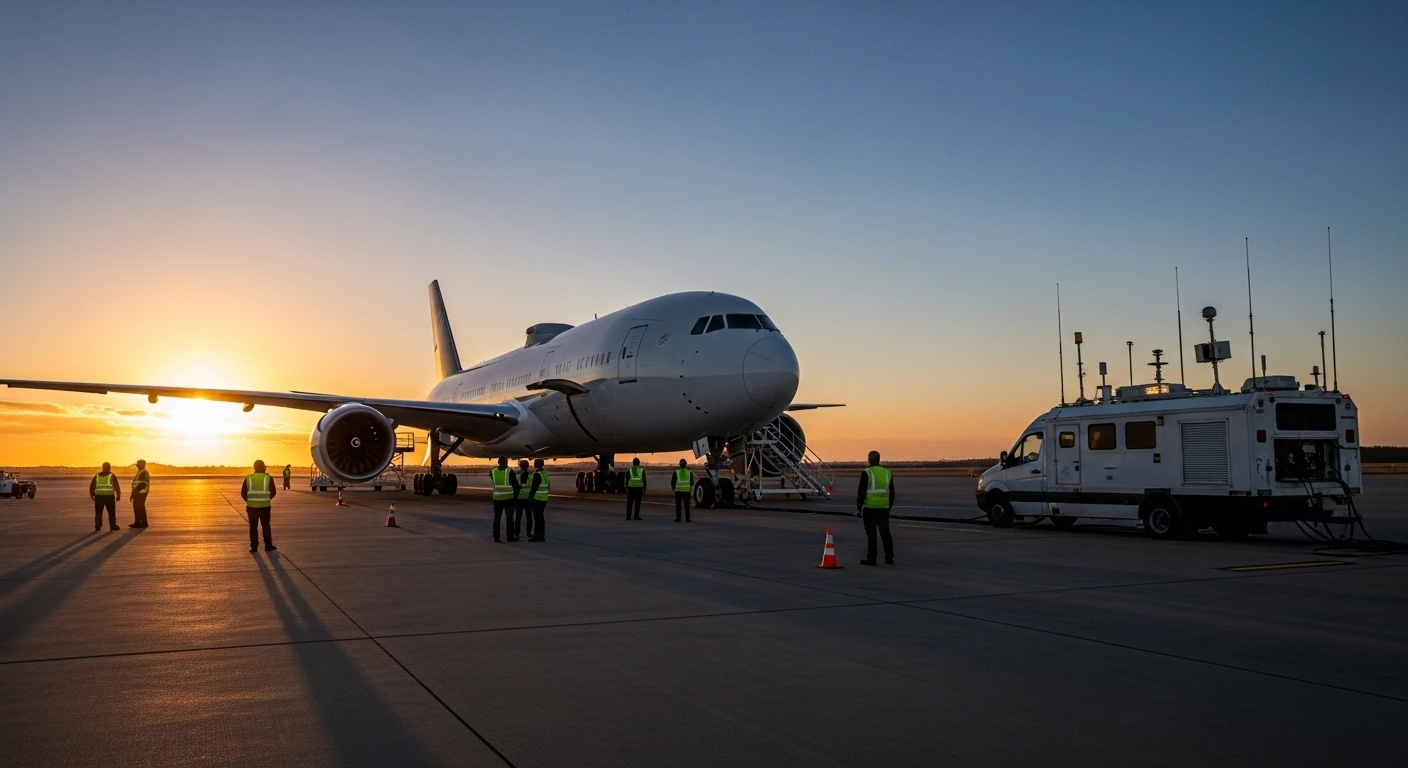
Boeing has five 777X test aircraft in its flight-test programme and continues to carry out sorties and systems checks. Reuters quotes Ortberg saying the company expects a first delivery in 2026, six years later than the original launch plan. Trade press and industry outlets confirm the CEO’s comments and highlight that the programme has seen intermittent technical and regulatory hurdles, for example, an August 2025 test grounding tied to an engine-mount issue earlier in the year, although Boeing says no new systemic technical flaws emerged from recent testing.
Why certification remains tricky
Certification of a new widebody like the 777-9 is inherently complex: it requires exhaustive flight testing, systems validation, structural checks and regulator review (FAA and other authorities). According to industry reports, even narrow technical items such as brake certification and certain system checks have taken longer than expected, a sign that detailed regulatory validation is intensive. The FAA’s scrutiny remains a key gating factor, and Boeing must finish test campaigns and satisfy regulator queries before receiving final approvals.
Customer implications, who stands to be affected?
Major 777X customers include Gulf and global airlines such as Emirates, Qatar Airways, Lufthansa, Cathay Pacific and others; the programme backlog runs into the hundreds of units, with many carriers having long-planned network expansions around the 777X’s capacity and range. Delays can force airlines to defer route launches, extend leases on older widebodies, or accelerate orders from competitors. Reuters and other outlets note that these customers will be watching Boeing’s certification timetable closely and will push for clarity on delivery windows.
Boeing’s production and financial context
Ortberg stressed Boeing’s broader production priorities: the company aims to raise 737 MAX output while carefully managing rework and quality issues, and it recently increased 787 production rates. Boeing has already absorbed multibillion-dollar losses on the 777X programme and said that even small schedule variances have material financial effects. Analysts point out that delayed 777X revenue defers cash inflows on a programme with sizable development costs. Bloomberg and Reuters provide further context on Boeing’s cash-flow and production strategy.
What analysts say
Market analysts broadly see the certification delay as a risk to near-term cash flows and to airlines’ fleet plans, but many also believe the issue is manageable if the slip is measured in months rather than years. Industry observers note Boeing has delivered other widebodies recently and has ramped up test activity; nevertheless, the 777X’s long history of schedule slippage has eroded some customer patience and investor confidence. Aviation Week and other trade publications echo this mixed view, acknowledging work remains, but also noting no new technical showstoppers reported by Boeing so far.
Key programme milestones & recent developments
- 2013: 777X programme launched.
- 2020: Initial deliveries originally targeted (slipped multiple times).
- 2024–25: Test programme continues; engine/mount incidents grounded flights earlier in 2025 for repairs and checks.
- Sept 11, 2025: CEO Kelly Ortberg says Boeing is “behind schedule” on certifying the 777-9 and that the company expects first delivery in 2026 but faces a “mountain of work.”
What’s next? Regulatory and market watchpoints
- FAA and other regulators: Close monitoring of FAA test validation schedules and issuance of Type Inspection Authorizations (TIAs) or equivalent approvals. Regulators’ public statements and FAA certifications will be the authoritative markers for programme progress.
- Boeing updates: Watch Boeing investor briefings and supply-chain notices for revised delivery schedules or production impacts.
- Customer responses: Airlines with 777X orders may issue statements or rework deployment plans; some may seek compensation for late deliveries depending on contract terms.