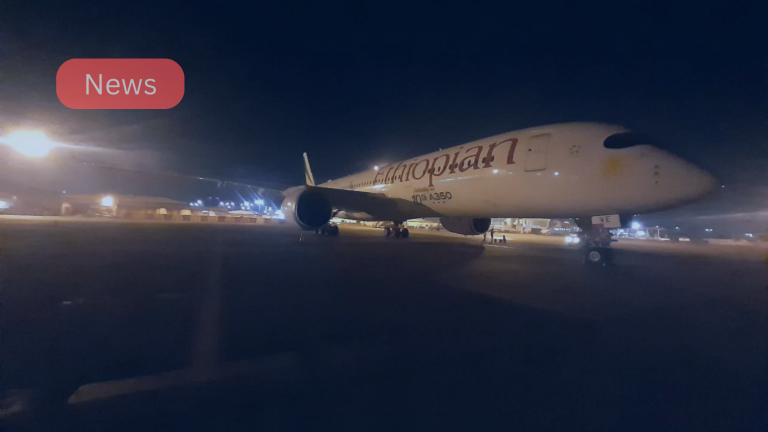

Leaders from the tourism and aviation sectors are urging African governments to accelerate aviation growth in Africa by improving visa regimes, enhancing airport experience, and fully implementing the Single African Air Transport Market (SAATM). The insights come from a new report by ATTA (African Travel & Tourism Association) in partnership with Ethiopian Airlines, published in September 2025.
The report highlights that intra-African visa-free routes have grown to 28%, up from 20% in 2016. It also casts light on airport infrastructure; many airports still lag in signage, customs processing, and welcoming passenger arrival areas, which affect tourism competitiveness.
What’s fueling growth, and what’s holding things back
Visa openness and regulatory frameworks
Visa regime improvements in countries like Rwanda, Namibia, and Ghana have made travel easier. The report notes visa-on-arrival and e-visa systems are becoming more common but warns that inconsistent implementation remains an obstacle.
SAATM, the continent-wide agreement meant to liberalize air transport, is repeatedly cited as having huge potential, but as of 2025, it’s still under-utilized. Policy, bilateral agreements and regulatory alignment need ongoing attention.
Airport experience and infrastructure
Airports in Africa are not just transit hubs; they increasingly matter as part of the tourist experience. The ATTA report highlights countries like Rwanda and Namibia as leaders in improving signage, customs, arrival-area comfort and guest-oriented facilities.
These infrastructure upgrades, while promising, are uneven across the continent. Many smaller airports still suffer from minimal amenities, unpredictable on-ground service, and poor wayfinding, possibly undermining overall tourism growth.
Opportunities for operators and tourism businesses
- New or revived routes: tourism boards, lodges, and private operators that partner on route development and marketing may capture travellers for underserved destinations. The report says that demand data alone isn’t enough; creative partnerships are required.
- Destination competitiveness: airports are increasingly seen as part of the brand. A well-designed and welcoming airport terminal can influence a traveller’s impression. Namibia and Rwanda are case studies.
- Policy leadership: governments that simplify visa rules, streamline customs/border processing, and reduce bureaucratic friction can make their markets more accessible. SAATM compliance and harmonization will be key.
Risks and cautionary notes
- Implementation gap: Even where visa reforms exist on paper, inconsistent practice (long processing times, lack of harmonization) still deters travellers.
- Infrastructure funding: Upgrades cost money. Airports may struggle with financing, especially smaller ones. Maintenance and staffing are also challenges.
- Regulatory and logistical complexity: Route right issues, bilateral agreements, safety oversight, air traffic control modernization, all require long lead times.
- Competition and market risk: Airline operating costs, fuel price volatility, and external shocks (economic or health crises) remain threat vectors.
What’s Next? Towards achieving aviation growth in Africa
- Policy acceleration: Governments should prioritize visa reforms, SAATM implementation and passenger-friendly border processing.
- Investment in airport amenities: Upgrades in signage, customs, welcome areas, arrival experience are low-hanging fruit that can influence tourism.
- Collaborative route development: Tourism stakeholders, airlines, and governments can partner to build viable new routes. Marketing support will matter.
- Monitoring & data usage: Using indices like Visa Openness, route demand data, traveler feedback will help track progress.
The “Potential Growth of Aviation in Africa” resource by ATTA and Ethiopian Airlines paints a cautiously optimistic picture: growth is there, but unlocking its full scale demands sustained policy, infrastructure and regulatory commitment. Stakeholders who engage proactively with these levers will be best positioned to benefit from the next wave of African connectivity.
Related Articles
- Ethiopian Airlines and SAATM: Strategic Implications and Market Position
- West African Nations Drive Continental Aviation Revolution Through SAATM Implementation
- Global Air Cargo Demand Surges in July 2025 as Asia-Pacific Leads Growth, IATA Report
- UN Tourism & ICAO Solidify African Cooperation at Luanda Summit