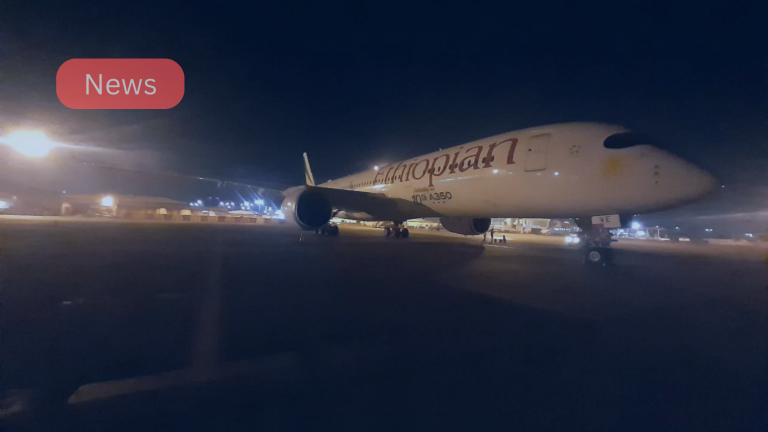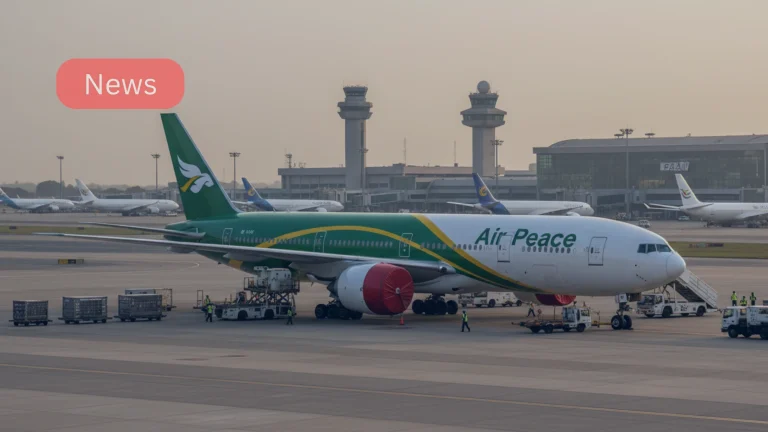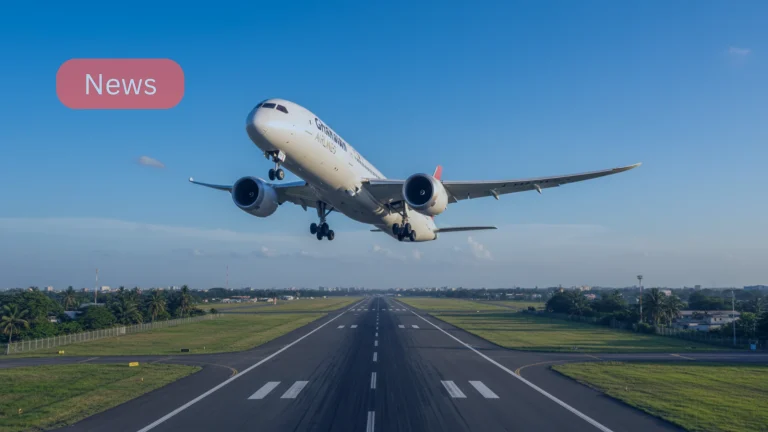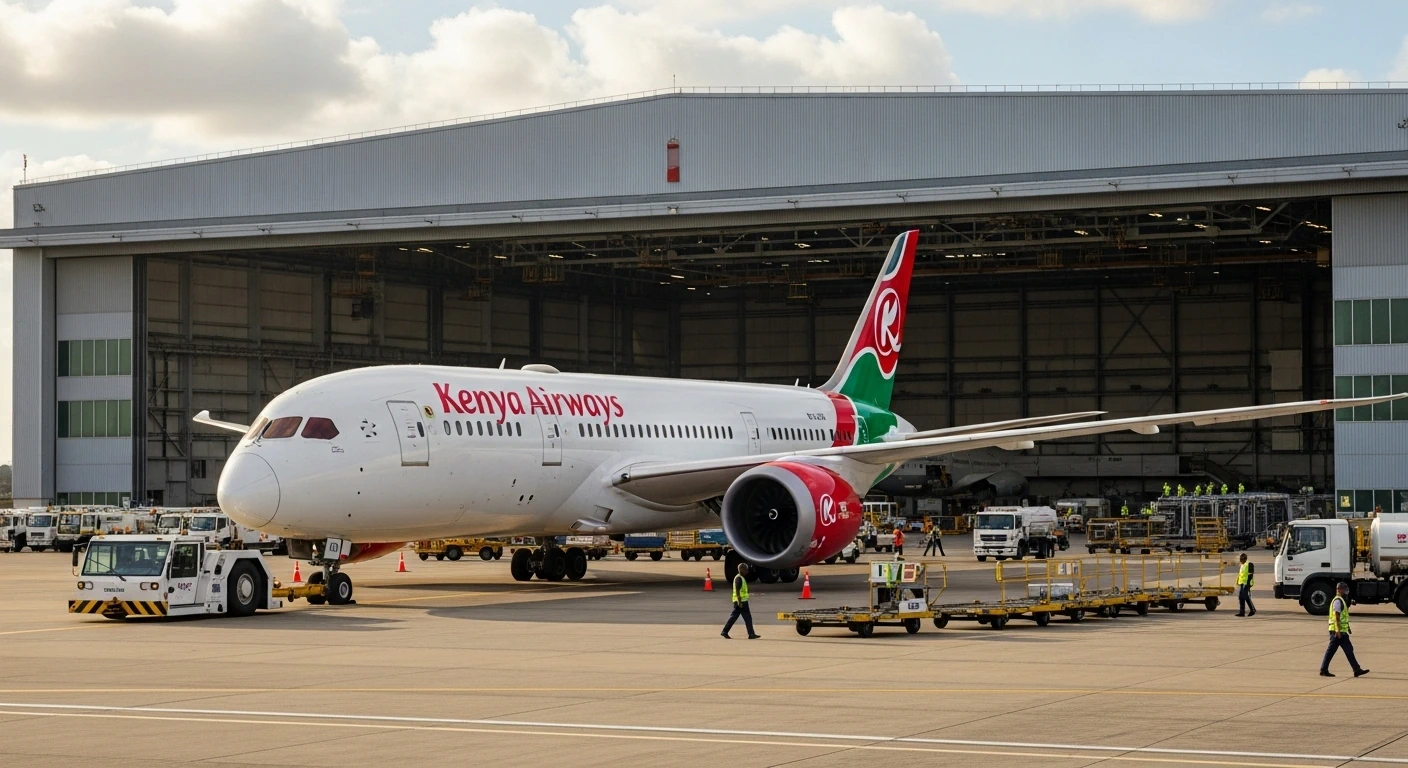

Kenya Airways has aborted plans to launch direct flights between Nairobi and Beijing Daxing in 2025, citing a global shortage of aircraft and critical spare parts, notably affecting the airline’s Boeing 787 Dreamliner fleet. According to The EastAfrican journalist James Anyanzwa, the airline’s CEO Allan Kilavuka has admitted that these operational constraints have prevented progress on the route.
The delay emerges amid a wider capacity crunch: three of Kenya Airways’ nine 787-8 Dreamliners remain grounded awaiting engine overhauls at a limited number of approved global maintenance facilities. These grounded aircraft are estimated to have reduced the airline’s capacity by about 16-20% during the first half of 2025.
What’s Driving the Delay?
Aircraft & Spare-Parts Shortages Disrupt Fleet Availability
Kilavuka’s statements underscore how global supply chain disruptions, still lingering effects of the COVID-19 shock, combined with geopolitical strains, are delaying both routine maintenance and the overhaul of critical aircraft systems.
- Engine Overhauls: The grounded Dreamliners are awaiting GE Aerospace GEnx-1B engine overhauls, a process now taking between 90 and 120 days, up from about 60 days in better times.
- Spare Parts Lead Times have also lengthened significantly, especially for avionics and structural components.
Financial & Operational Fallout
Kenya Airways’ half-year (H1 2025) results reflect deep underperformance tied in part to these constraints:
- Revenue dropped by about 19%, passenger numbers down by 14%, and available seat capacity off by 16% compared to the same period in 2024.
- Operating loss for the period: roughly KSh 6.2 billion (Kenyan shillings), reversing a modest profit in H1 2024.
- Of the three grounded 787s, one returned to service in July 2025, with the remaining two expected to rejoin the fleet later in the year.
Why the Beijing Route Was Significant
The planned launch of direct flights between Nairobi and Beijing Daxing International Airport was supposed to coincide with the 20th anniversary of Kenya Airways’ operations in China. The route was intended to tap into rising demand:
- Chinese visitors to Kenya reportedly rose from ~51,000 in 2023 to ~80,000 in 2024.
- Projections (from Kenyan sources) expected those numbers to grow further to ~150,000.
Beyond tourism, the route promised enhanced trade ties and increased business travel connectivity between East Africa and China. But without sufficient long-haul aircraft and reliable spare parts supply, the airline has had to push back.
Global Aviation, ICAO/IATA & Regional Pressures
- After COVID-19, the aviation industry has grappled with disrupted global supply chains, including for engines, avionics, and other critical aircraft systems. ICAO and IATA have repeatedly warned airlines of longer lead times and increased costs.
- Air traffic demand has largely recovered, but many airlines (especially in Africa) remain exposed to vulnerabilities: limited access to maintenance, uneven borrowing costs, and aging fleets.
- Kenya Airways is not alone: other African carriers report similar issues grounding wide-body fleets or limiting expansion plans.
What’s Next?
- Kenya Airways aims to have all three grounded Dreamliners back in service by end of 2025. That is critical for any hope of launching new long-haul routes like Beijing.
- In parallel, the airline is pursuing capital raising (at least US$ 500 million) to stabilize its balance sheet and support fleet expansion.
- For the Beijing route specifically, success will likely depend on:
- Resolving spare-part and engine overhaul delays.
- Ensuring sufficient fleet availability (especially wide-body aircraft).
- Obtaining relevant bilateral traffic rights, overflight/landing permissions, and favorable commercial conditions.
- More broadly, African aviation regulators, airlines associations, and OEMs may need to work jointly to address maintenance capacity, reduce lead times, and build resilience in the supplier ecosystem.