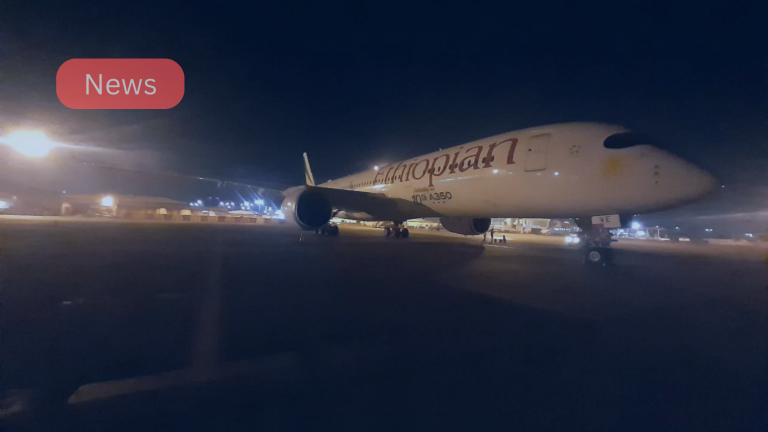
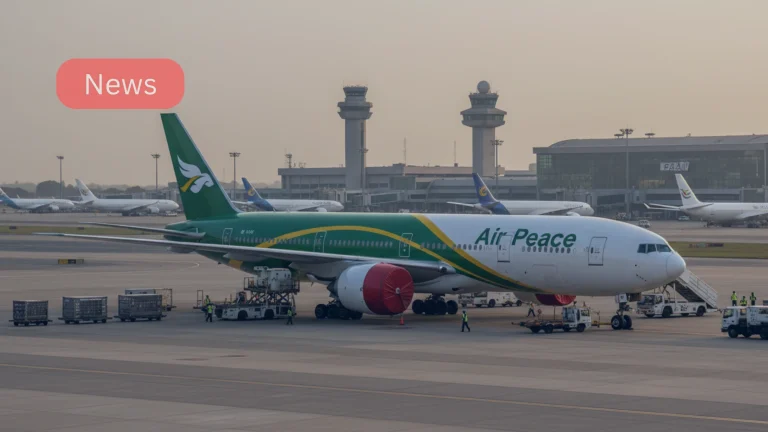
The European Union has expanded its Air Safety List (ASL) in 2025, adding multiple carriers certified in countries with persistent regulatory shortcomings and further restricting their access to EU airspace. The move, part of the EU’s ongoing safety-oversight campaign, now affects scores of carriers across Africa and elsewhere, tightening market access and raising immediate operational and economic risks for those operators.
The ASL is a regulatory tool maintained by the European Commission and EASA; it lists air carriers that do not meet international safety standards and therefore face an EU operating ban. Recent updates have included country-level entries (notably Tanzania and Suriname in earlier 2025 updates) and expanded the total number of banned carriers. The EU cites insufficient civil aviation oversight, weak safety management systems, and non-compliance with ICAO standards as drivers of the action.
What changed and who is affected
- What: An EU update to the Air Safety List added further African-registered carriers (Business Insider reports an expanded total), reflecting a broader EU assessment of state oversight. Exact carrier names and country groupings are published on the EU Transport ASL page and in Commission releases.
- Who: The ASL historically lists carriers from multiple African states (recent lists have included carriers certified in Tanzania, Sudan, DRC, Eritrea and others). The 2025 updates have increased the number of carriers and, in some cases, applied country-wide restrictions where regulators have systemic deficiencies. Check the EU’s official list for the precise current roster.
- When: The EU maintains and publishes ASL updates on an ongoing basis; the specific expanded update summarized by Business Insider is part of 2025 regulatory activity (see EU Commission notices for dates).
Why the EU acts — safety oversight, not politics
The EU frames ASL changes as a technical regulatory measure: countries whose civil aviation authorities cannot demonstrate effective safety oversight, as measured against ICAO standards, risk having their carriers listed. Listing protects EU airspace and passengers from operators that fail to meet accepted safety norms. While the practical effect is flight bans or restrictions, the underlying trigger is regulatory capacity and oversight performance, not bilateral politics.
Practical impacts for airlines and governments
- Market access: Listed carriers cannot operate to, from or within EU airspace; overflight restrictions also apply. That directly cuts revenue opportunities on trans-Europe routes.
- Commercial costs: Bans increase perceived risk for insurers and lessors; leasing rates, insurance premiums and the ability to source modern leased aircraft can be adversely affected. IATA and industry groups have long warned of these second-order effects.
- Reputational damage: Inclusion on the ASL signals systemic oversight problems and can deter foreign carriers and investors. Governments typically respond by accelerating regulatory reforms to remove carriers from the list.
Timeline
- Ongoing: EU continually reviews the ASL and publishes periodic updates. The June 3, 2025 update notably added all carriers certified in Tanzania and Suriname.
- 2025 (throughout): Other ASL revisions have incrementally expanded the total number of banned carriers, with a continued focus on states with demonstrable oversight challenges.
What’s next? steps for de-listing and policy outlook
- Regulatory fixes: Countries typically work with ICAO and EASA to shore up oversight, updating legislation, strengthening inspections, and improving audit results. Successful remediation can result in de-listing (as seen in past cases where bans were lifted).
- Industry support: IATA and ICAO often provide technical assistance. Airlines and lessors can also negotiate temporary codeshare or wet-lease arrangements with compliant carriers to preserve some connectivity while local carriers work on compliance.
- Monitoring: Watch for official EU/Commission notices and ICAO audit outcomes, those documents determine the path to delisting and are the definitive record for compliance progress.
Sources & further reading
- Business Insider (Africa), African airlines hit by more EU bans in ongoing safety oversight battle.
- European Commission / EU Air Safety List, official page and updates.
- ICAO, State of Global Aviation Safety (2025 report) and state safety programme materials.
- Reuters,IATA commentary on EU blacklists and industry impacts.