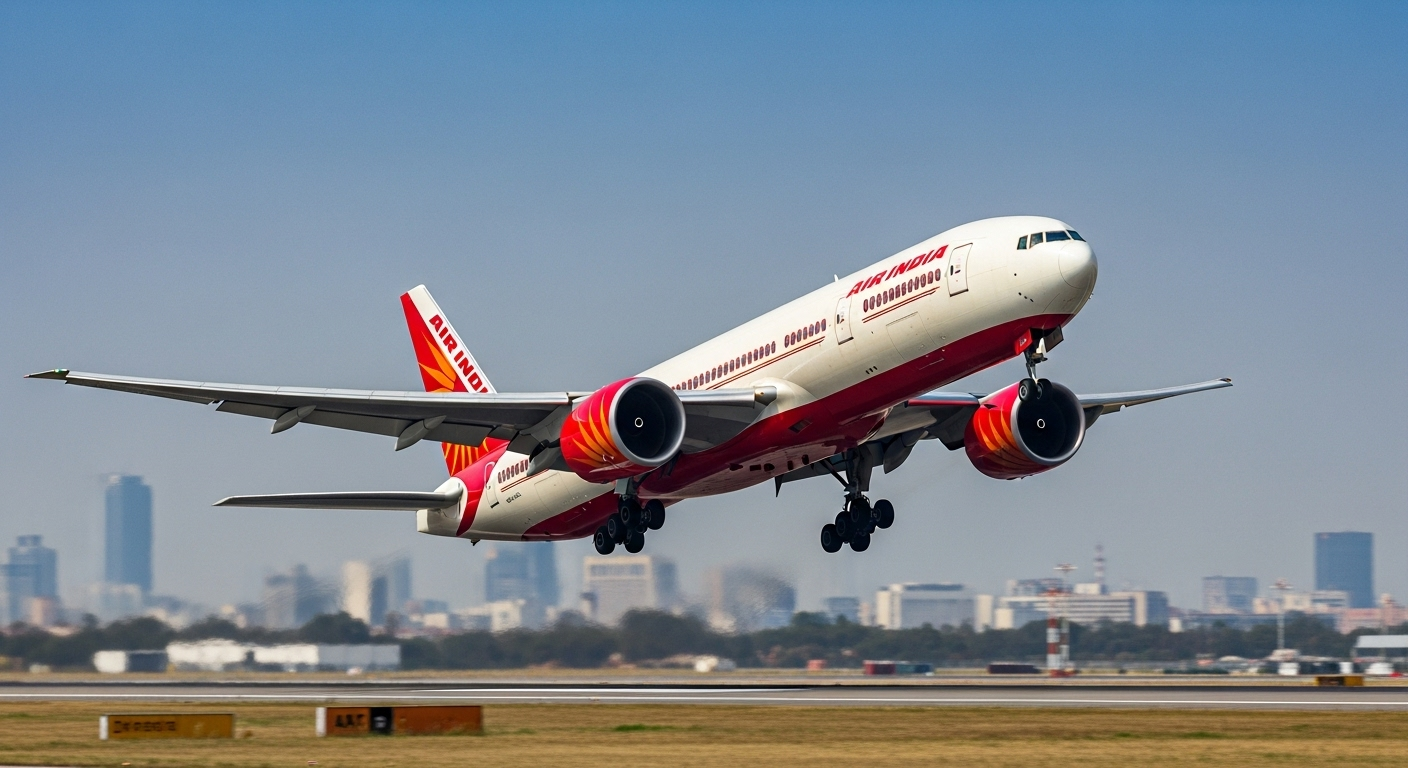

NEW DELHI— Just days after the fatal crash of Air India Flight AI 171, another alarming incident involving a Boeing 777 has prompted a full regulatory review. The Independent reports that pilots from Flight AI 187 (Delhi–Vienna) have been grounded following a sudden 900-foot altitude loss shortly after takeoff on June 14, with multiple cockpit warnings triggered. people.com
Cockpit Alert Sequence
According to secondary sources including The Times of India and The Independent, the aircraft issued:
- A stick-shaker stall warning
- Multiple GPWS “Don’t sink” cautions
- A stall alert
These events occurred amid thunderstorms shortly after departure. The pilots successfully stabilized the aircraft, which continued its nine-hour flight to Vienna without reported injuries
Regulatory Action & Pilot Status
India’s aviation regulator, the DGCA, has launched a formal investigation. Both the captain and first officer have been off-rostered, a standard regulatory action during safety probes. DGCA has summoned Air India’s Head of Safety and demanded an incident report, citing discrepancies between initial flight reports and data recorder findings.
Context Amid Aviation Crisis
The Hyderabad-bound AI 171 Dreamliner crash on June 12, near Ahmedabad, killed 241 people aboard and additional casualties on the ground—India’s deadliest in decades. With AI 187 following within 38 hours, concerns about Air India’s operational safety have escalated.
In June, DGCA also ordered removal of three senior crew scheduling officials and issued warnings for repeated procedural violations involving pilot duty time and equipment checks.
Technical & Operational Factors
Aviation experts caution that factors may range from weather, pilot fatigue, to mechanical failure. Severe thunderstorms were present at takeoff, potentially relevant. The stall and GPWS warnings indicate possible loss of lift or excessive descent rate, but flight data and voice recordings have not yet been released.
Compared to the AI 171 crash, which involved suspected technical configuration issues such as flap settings or gear deployment, AI 187’s safe landing highlights successful recovery, though deeper investigation is needed.
Safety Implications & Airline Measures
The DGCA has initiated enhanced surveillance across Air India’s widebody fleet, including Boeing 777 and 787, and ordered urgent safety audits and staff retraining protocols. aviationa2z.com
Following AI 171, Air India grounded several flight routes and instituted thorough inspections and compliance checks, particularly around Boeing 777 systems and emergency gear .
Air India & Industry Reactions
An Air India spokesperson confirmed:
“Upon receipt of the pilot’s report, the matter was disclosed to DGCA… Both pilots have been off‑rostered pending investigation.” newindianexpress.com
They emphasized full cooperation with DGCA. Industry analysts emphasize that repeated incidents point toward systemic issues in crew oversight, fatigue management, and maintenance protocols .
Rebuilding Passenger Trust
Air India, under Tata Group ownership since 2022, was already navigating a post-pandemic recovery with expanded route additions and fleet modernization. These recent events have triggered a passenger confidence crisis.
Experts note:
“A sequence of safety incidents within days risks compounding reputational damage,” said aviation consultant Sanika Rao.
“Transparent communication, timely data release, and regulatory compliance will be critical.”
Consumer groups have called for quicker disclosure of DGCA findings and real-time flight data access to bolster trust.
Outlook & Next Steps
- DGCA Investigation: Key findings expected in 4–6 weeks once flight data and voice recorder analysis is complete.
- Safety Overhaul: Potential for new directives around pilot fatigue, weather briefing procedures, and system monitoring.
- Industry Repercussions: If systemic lapses are confirmed, structural changes in training, rostering, and safety culture may be mandated.
- Reform Urgency: Air India’s recovery roadmap under Tata emphasizes adhering to international safety standards; these events elevate the urgency.
This escalation of safety incidents, from AI 171’s tragic crash to AI 187’s near-miss, necessitates rigorous investigation. The DGCA’s prompt regulatory actions indicate a focus on systemic safety resilience. Air India’s response and transparency will shape its ability to restore public confidence and operate safely on global routes in the months ahead.