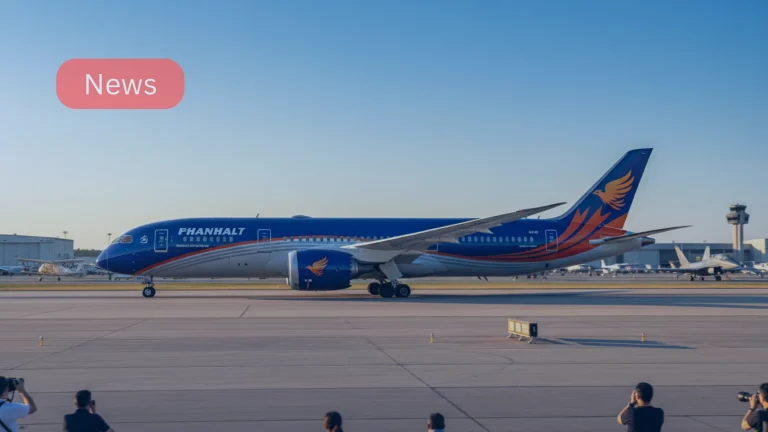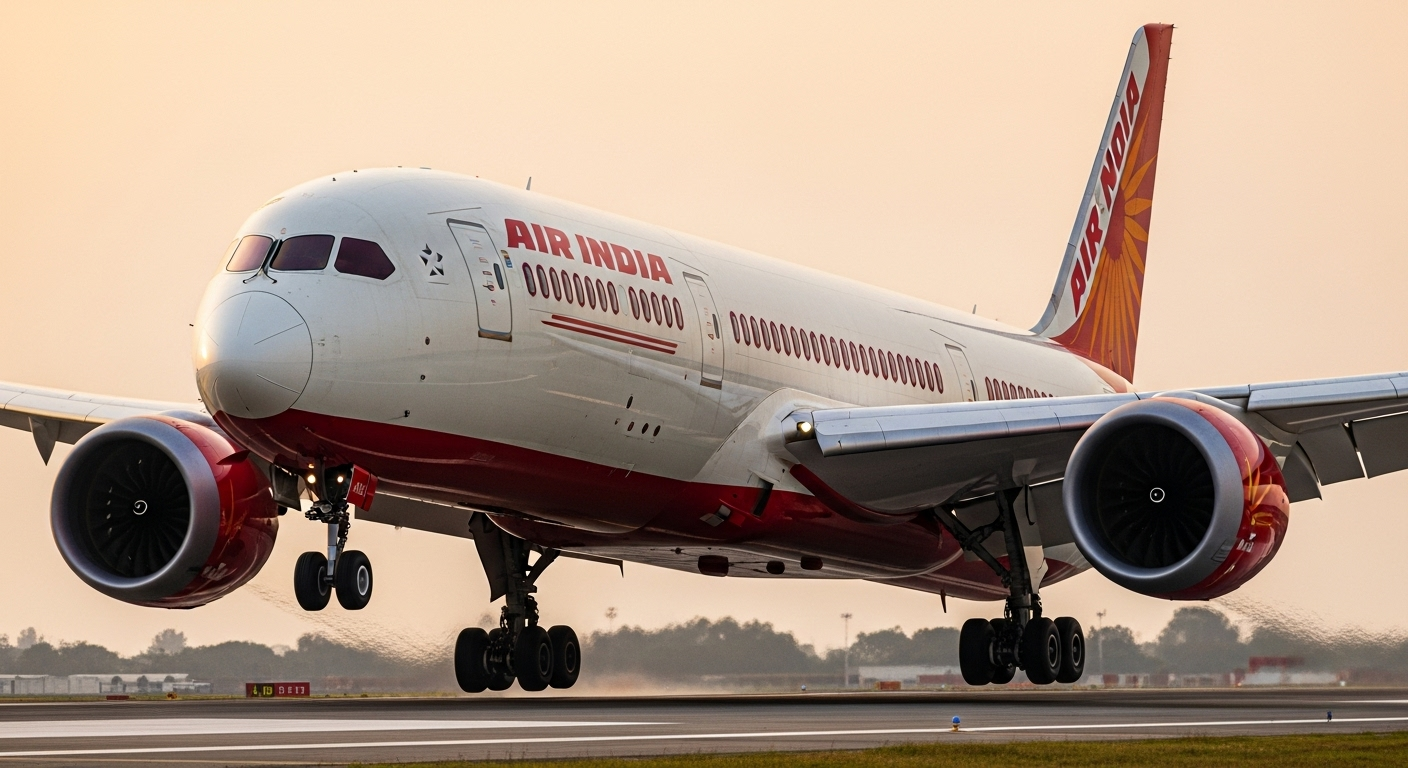

VIENNA / NEW DELHI – An Air India Boeing 787‑8 operating as Flight AI103 from New Delhi to Washington, DC, was forced to make an unscheduled stop in Vienna, Austria, on July 2 due to a technical issue discovered during a scheduled fuel stop, according to statements from the airline and confirmed across multiple news outlets.newsarenaindia.com
Incident Overview
Flight AI103 departed New Delhi’s Indira Gandhi International Airport at approximately 12:45 AM on July 2, bound for Washington with an expected arrival around 8:45 PM local time on July 2 in the U.S. The aircraft landed in Vienna for its planned fuel stop, only for maintenance crews to identify an issue requiring extended attention. As a result, the aircraft remained grounded, and the onward leg to Washington was cancelled. hindustantimes.com
The cancelled segment included the return flight, AI104, from Washington via Vienna to Delhi. Overall, the aircraft completed only the Delhi-to-Vienna leg, with passengers disembarked and flights aborted from that point onward. newsarenaindia.com
Passenger Impact & Airline Response
Air India confirmed that affected travelers were offered alternative flights or full refunds. Those possessing Schengen or visa-free entry to Austria received hotel accommodation in Vienna. Passengers without valid documentation were also assisted in partnership with Austrian authorities.
Air India stated:
“During routine aircraft checks, an extended maintenance task was identified … Due to this, the Vienna to Washington, DC leg was cancelled, and passengers were disembarked.”
Additionally, the airline noted that recent flight disruptions may partially stem from factors such as airspace closures (notably over Pakistan), night‑time curfews, and congestion at European and East Asian airports. These operational strains coincide with intensified DGCA safety inspections triggered by the tragic AI171 crash in June.
Safety Considerations & Recent Events
This incident comes only weeks after a June 14 near-miss on Air India Flight AI187 (Delhi–Vienna), during which the aircraft experienced a 900-foot altitude drop, stick-shaker stall warnings, and “don’t sink” GPWS alerts, while continuing safely to Vienna. Both pilots were subsequently grounded pending DGCA reviews.
Furthermore, the AI171 Dreamliner crash in Ahmedabad on June 12, which resulted in 241 fatalities onboard and substantial ground casualties, has led to a heightened regulatory environment. The DGCA has mandated extensive inspections of all Boeing 787 GEnx-powered aircraft, increased scrutiny of maintenance operations, and investigations into pilots and crew scheduling protocols.
Maintenance & Incident Context
Although specific details regarding the technical snag remain undisclosed, the characterization of an “extended maintenance task” implies a situation serious enough to prevent safe continuation. Airline spokespeople emphasized that “safety remains the top priority”, consistent with post-crash mitigation policies.
It is likely that this precaution aligns with the broader post-AI171 safety push, where Air India has:
- Grounded select aircraft for inspections,
- Conducted voluntary operational audits, and
- Enhanced pre-takeoff checks especially on widebody aircraft with known safety red flags.
Regulatory Oversight & Industry Response
Industry analysts have suggested that while routine technical delays are part of airline operations, a string of significant disruptions, rapid altitude drops, crash, and groundings, could reflect deeper systemic issues. Aviation consultant Sanika Rao commented:
“Multiple incidents within weeks suggest the airline needs systemic safety reinforcement, not isolated inspections.”
India’s civil aviation watchdog, the DGCA, has not yet issued a formal statement on the AI103 technical incident but is actively overseeing the 787 fleet inspections and pilot review processes.
Rebuilding Trust & Operational Stability
For Air India, resuming reliable long-haul service is essential. The airline has implemented tighter operational controls, including fixed maintenance schedules, staffing reviews, and enhanced communication with affected passengers. These measures aim to offset reputational damage and stabilize international bookings following recent disruptions.
Broader Implications
- Passenger Trust: Recurrent operational issues may influence traveler confidence in flying with Air India.
- Operational Costs: Cancellations and unscheduled aircraft groundings can incur millions in compensation, logistics, and repair costs.
- Regulatory Pressure: The DGCA’s heightened oversight could lead to enforceable directives and safety benchmarks.
- Competitive Landscape: Fellow Indian carriers like IndiGo and Vistara continue gaining market share in transcontinental routes, especially amid Air India’s service interruptions.
Next Steps & Outlook
- Technical Root Cause: Air India must provide details on the maintenance fault and subsequent corrective actions.
- Patron Reinstatement: Plans to rebook or refund affected passengers must be transparent and timely.
- Safety Verification: DGCA confirmation of maintenance results and operational stability is anticipated within the next 30–45 days.
- Market Recovery: Restoring consumer confidence will depend on consistent performance and demonstrable safety measures.
Flight AI103 experienced a sound regulatory reaction to a technical issue during a scheduled fuel stop. Coupled with a series of recent safety incidents, this episode spotlights the importance of robust maintenance regimes and operational resilience. As India’s aviation landscape rapidly evolves, Air India will need to sustain rigorous safety standards to ensure long-term viability on international routes.