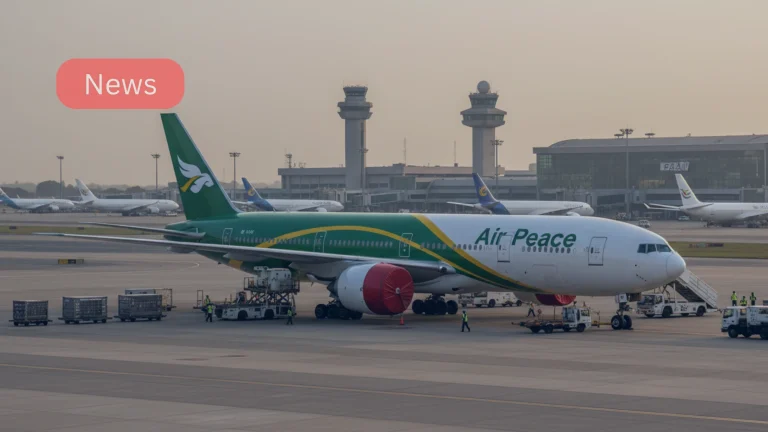

Nigeria’s largest carrier, Air Peace, said a lessor withdrawal of wet-leased aircraft caused widespread cancellations and delays across its domestic network, and has attributed about $15 million in operational losses to the move. The carrier told reporters on 15 November 2025 that Latvia-based ACMI provider SmartLynx abruptly pulled four aircraft that had been rostered for scheduled flights while Air Peace’s fleet was undergoing maintenance overseas.
What Air Peace says happened
Air Peace’s Chief Commercial Officer, Nowel Ngala, said the airline wet-leased the A320s to cover 13 of its own aircraft that were in maintenance abroad. Ngala alleges SmartLynx collected upfront payments and security deposits but then removed the aircraft without prior notice, creating immediate capacity shortfalls and stranding passengers across airports in Nigeria. Air Peace says it released three aircraft to their rightful owners in good faith and is seeking refunds of deposits and compensation.
Scope of disruption and financial impact
- Aircraft withdrawn: Air Peace reports four Airbus A320 family aircraft were removed; some outlets say three or four frames depending on reporting. The affected machines were leased through SmartLynx entities in Estonia, Malta and Latvia.
- Operational effects: Immediate consequences included multiple flight delays and cancellations across domestic routes, passengers stranded, and ad hoc schedule changes while in-house aircraft returned from maintenance. Air Peace said its long-haul London service was not affected.
- Estimated loss: Air Peace claims the disruption caused approximately USD 15 million in direct damages and that over USD 5 million of its funds (including security deposits) remain with the lessor.
Corroboration & the lessor’s situation (SmartLynx withdrawal)
Trade reporting indicates SmartLynx underwent ownership changes and restructuring in October–November 2025, with parts of the group being sold and several AOCs restructured, a context that may explain fleet moves and owner repossessions. Industry sites say several SmartLynx-operated aircraft were ferried to storage in Europe as part of corporate actions. SmartLynx had not issued a public rebuttal to Air Peace’s claims at the time of reporting.
Operational mechanics: why wet-lease withdrawals matter
Wet leases (ACMI) supply aircraft plus crew, maintenance and insurance to the lessee under the lessor’s AOC. For a lessee like Air Peace, sudden removal of ACMI capacity is disruptive because:
- the aircraft are part of scheduled rosters (crew and slots are booked);
- ticketed passengers expect services that cannot be quickly reallocated; and
- alternatives (short-term dry-leases, wet-lease replacements) have lead times and costs.
Regulatory and legal angles
- NCAA involvement: The Nigeria Civil Aviation Authority (NCAA) typically monitors safety and consumer protection but does not arbitrate commercial lessor disputes. However, NCAA can require operational remediation and has in the past summoned airlines over service shortfalls. Air Peace has said it will hold defaulting partners accountable; we expect regulatory scrutiny and potential investigations into the contractual chain (owners, lessors, local handling).
- Legal remedies: Air Peace said it will pursue reimbursement and legal steps to recover deposits. If aircraft were repossessed by their owners due to SmartLynx defaults, owners, lessors and banks may be engaged in cross-border legal or insolvency proceedings that determine ultimate asset custody.
Airline and passenger implications
- Short term: Stranded passengers, reroutes, refunds and reputational damage for the airline. Operators must replan block hours and may need to wet-lease replacement capacity at higher spot rates.
- Medium term: If lessor instability persists, Nigerian carriers could face higher ACMI costs and tighter access to third-party capacity, a risk to schedule resilience. The federal government has signalled plans earlier in 2025 to encourage local leasing capabilities to reduce reliance on foreign lessors.
What’s Next? Industry outlook & watchlist
- SmartLynx statement / owners’ response: The most important near-term development is any official response from SmartLynx, the aircraft owners, or the banks controlling the assets. That will clarify whether withdrawals were repossessions linked to lessor defaults, restructuring actions, or contractual breaches.
- Regulator action: NCAA may open inquiries into consumer protection impacts and ensure airlines meet refund/compensation rules. Watch for NCAA press releases or directives.
- Operational fixes: Air Peace says some aircraft are returning from maintenance and the carrier expects to resume normal operations as frames re-enter service; monitor official schedules and airline advisories for recovery timelines.
Sources
- THISDAY (Chinedu Eze), “Air Peace Operations Disrupted Nationwide as Lessor Withdraws Aircraft,” 15 Nov 2025.
- ch-aviation: “Nigeria’s Air Peace loses $15mn from SmartLynx collapse.”
- Aerospace Global News: “Air Peace accuses SmartLynx of abrupt withdrawal of wet-leased aircraft.”
- Vanguard: “Air Peace counts $15m loss after lessor pulls out three aircraft.”
- Daily Trust / AllAfrica coverage summarising Air Peace briefing and claimed losses.