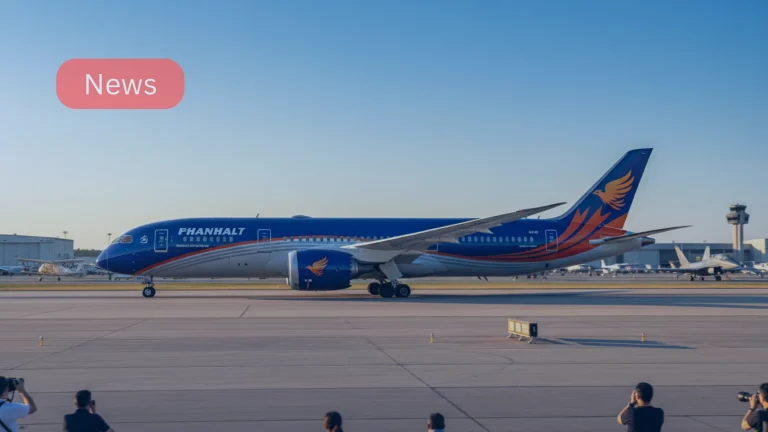
Nigeria’s largest airline, Air Peace, has reported rising financial losses linked to bird strikes and ground damage incidents, underscoring persistent aviation safety and infrastructure challenges facing African carriers. According to The Punch, the airline says these disruptions have increased maintenance costs and aircraft downtime across its operations.
Bird strikes and ground handling damage are recognized global aviation risks, but industry data suggests airlines operating in regions with wildlife management and airport infrastructure gaps face higher exposure. The issue has renewed attention on airport safety standards and regulatory oversight in Nigeria’s fast-growing aviation market.
Why Bird Strikes Matter in Commercial Aviation
Bird strikes occur when aircraft collide with birds during takeoff, landing, or climb. According to the International Civil Aviation Organization (ICAO), wildlife hazards represent a persistent safety risk, particularly at airports near wetlands, landfills, or urban expansion zones.
Industry impacts include:
- Engine inspections or removals
- Aircraft-on-ground (AOG) events
- Schedule disruptions
- Increased insurance and maintenance costs
The International Air Transport Association (IATA) identifies wildlife strikes as a leading cause of avoidable maintenance events worldwide.
Nigeria’s Airport Infrastructure Challenge
Nigeria’s aviation sector has expanded rapidly, but airport wildlife management and ground handling standards vary by location.
ICAO Annex 14 requires airports to:
- Implement wildlife hazard management programs
- Maintain airside safety zones
- Monitor bird activity continuously
In practice, enforcement consistency remains uneven across emerging markets, increasing risk exposure for airlines like Air Peace.
Ground Damage Adds to Airline Cost Pressures
Beyond bird strikes, airlines globally report losses from:
- Ground handling equipment collisions
- Foreign object damage (FOD)
- Ramp congestion
FlightGlobal reporting shows ground damage accounts for millions of dollars annually in preventable airline costs worldwide, particularly where ramp safety training and infrastructure investment lag demand growth.
Regulatory Oversight and Accountability
Nigeria’s Nigerian Civil Aviation Authority (NCAA) has issued multiple safety advisories emphasizing:
- Wildlife control at airports
- Improved apron safety procedures
- Operator reporting compliance
However, airlines argue enforcement and airport operator accountability remain uneven, shifting costs onto carriers.
Industry Outlook: What Comes Next
For African aviation to scale sustainably:
- Airports must invest in wildlife control systems
- Regulators must enforce ICAO safety standards uniformly
- Airlines and airport operators must share safety accountability
As traffic grows, unmanaged bird strike risks and ground damage could erode airline profitability and safety margins across the region.
Sources & References
- The Punch, Air Peace bird strike losses
- ICAO Annex 14, Aerodromes, Wildlife Hazard Management
- IATA Safety Report, Wildlife strike risk
- FlightGlobal, Airport ground damage & safety coverage
- Nigerian Civil Aviation Authority (NCAA)