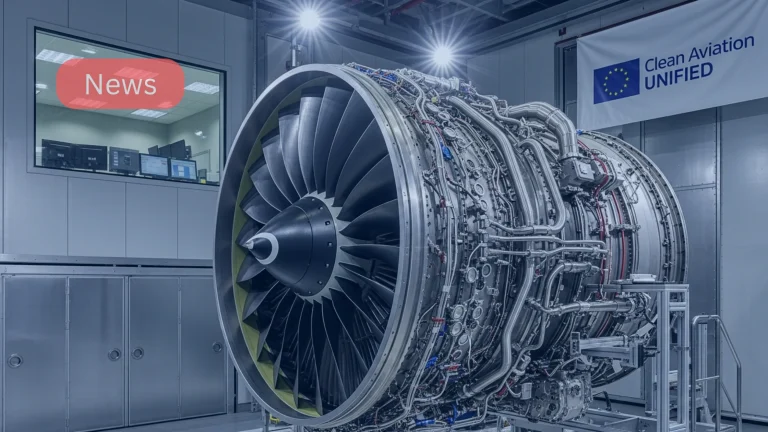
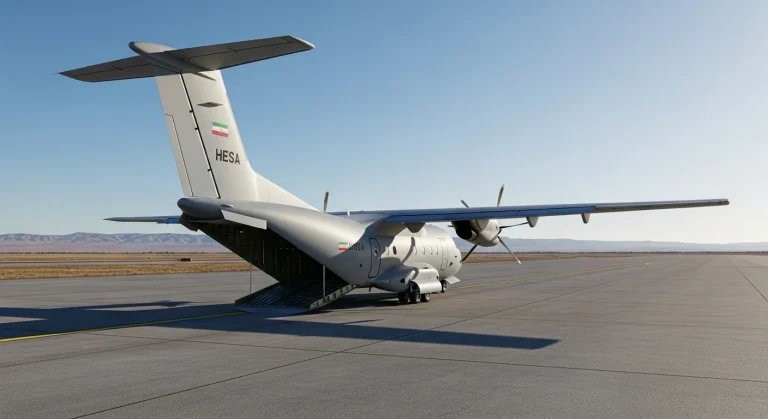
Speculation that Airbus may introduce a clean-sheet widebody dubbed the “A360” has circulated in industry blogs and social feeds since late August 2025. A commentary published on Aviation A2Z on 1 September 2025 framed the A360 as a potential successor to the A330neo and a rival to Boeing’s 787 family. However, Airbus has not announced, named, or launched a production programme called the A360, and leading aerospace news organisations treat the A360 label as industry conjecture rather than fact.
Airbus has publicly confirmed it is studying next-generation aircraft technologies, including efficiency improvements, open-rotor concepts, and potential hydrogen propulsion pathways, as part of long-range research into planes that could enter service in the 2030s. Company statements and reporting from Reuters and the Financial Times emphasize that Airbus’ work is exploratory and that any formal programme launch would come after years of design, certification and supply-chain planning.
Why the rumor machine is active
The aviation industry is in a rare inflection point. Boeing’s 737-MAX recovery, delivery backlogs, climate targets and mounting airline demand across new long-haul markets have intensified pressure on planemakers to define their next family of jets. That environment encourages analysts, enthusiasts and smaller outlets to speculate about potential product names and market positioning, hence discussion of labels like A360 or A370. But name-checking does not equal an official programme announcement. Trade publications advise caution when translating chatter into headlines.
What Airbus has said (authoritative record)
Airbus’ public roadmap focuses on research into lower-emissions technologies and a next-generation single-aisle jet (to replace the A320 family) targeted for service in the early-to-mid 2030s. CEO Guillaume Faury and Airbus statements have emphasized an “evolutionary, not revolutionary” approach in some areas, while also investing in open-fan/propulsion concepts and hydrogen for regional segments. These are investments in technology and concept development, not product launch notices. Reuters notes Airbus is preparing for eventual new-model development but has not declared a specific new widebody model.
Key official points:
- Airbus explores open-fan engines and other efficiency gains.
- Airbus lists research projects under “Future Aircraft” and reiterates industry decarbonization targets.
How industry outlets treat the A360 suggestion
- Aviation A2Z ran an opinion piece asserting the viability of an A360-class widebody; the site’s article is explicitly interpretive and does not cite Airbus releases that announce a new model name.
- SimpleFlying and FlightGlobal have run explanatory pieces on Airbus’ future strategy and on the community’s use of names such as “A360” and “A370” as shorthand for hypothetical models, they treat such labels as speculative.
- Reuters and the Financial Times have published reporting that confirms Airbus’ strategic work on future aircraft, but neither has reported a formal A360 programme launch. Reuters notes tight delivery targets and supply issues that are immediate priorities for Airbus.
Market rationale, why airlines and analysts discuss an A360
If Airbus were to study a new widebody successor to the A330neo and compete more directly with Boeing’s 787 family, there would be market logic:
- Airlines seeking greater efficiency on long-range routes want improved fuel burn and lower operating costs.
- Fleet renewal cycles are approaching for many A330 and 787 operators, prompting early interest in replacement options.
- Decarbonization pushes OEMs toward architectures that can accept hydrogen or hybrid-electric propulsion in specific roles.
But even if market demand exists, a formal programme involves years of design, engine selection, supplier commitments and regulatory certification, not weeks of speculation. Aviation analysts caution against mistaking concept talk for programme greenlighting.
What to watch, signals that would confirm a new Airbus programme
Journalists and industry watchers look for firm confirmations that would elevate rumor to news:
- Official Airbus announcement (press release and board approval).
- Engine selection or OEM engagement, early MOUs with engine manufacturers (e.g., CFM, Rolls-Royce) or public RFPs.
- Launch customers or letters of intent from airlines.
- Regulatory engagement, initial certification planning with EASA/FAA.
Until at least one of these signals appears in Airbus’ pressroom or a major global newswire (Reuters, AFP) with supporting documents, the A360 should be considered unconfirmed.
Expert perspective
Industry commentary from leading outlets frames Airbus’ near-term focus on production and delivery targets. The Financial Times reported Airbus faces a delivery sprint to meet 2025 targets and is under pressure over production and supply chain resilience, which argues against a near-term clean-sheet launch while deliveries remain a priority. That dynamic makes an immediate A360 programme less likely.
Bottom line
- Confirmed: Airbus is actively researching future aircraft technologies and continues to study options for the next generation of jets. Major outlets (Reuters, FT) and Airbus’ public materials corroborate that.
- Unconfirmed / speculative: The existence of a production programme called the “A360” or a near-term launch decision. The Aviation A2Z article reflects informed speculation but lacks primary Airbus confirmation. Treat the A360 label as a placeholder name used in discussions, not as a validated product.
What’s Next / Industry outlook
- Expect Airbus to continue R&D work and to issue formal project announcements only after it secures supply-chain readiness and regulatory clarity.
- Analysts will watch Airbus’ next public investor update, trade shows (e.g., Paris Air Show reports), and any engine-makers’ press for early MOUs.
- Meanwhile, Airbus’ near-term industrial priority is ramping production and delivering backlog aircraft, an operational focus that competes for resources with conceptual new programmes.