
Singapore’s Agency for Science, Technology and Research (A*STAR) has launched four joint research projects totalling more than S$55 million to develop advanced aerospace and manufacturing technologies. The projects, announced at industry events in early October 2025, deepen partnerships between ASTAR, Rolls-Royce, Singapore Aero Engine Services (SAESL) and multiple local SMEs. ASTAR’s press release and government statements provide the primary details.
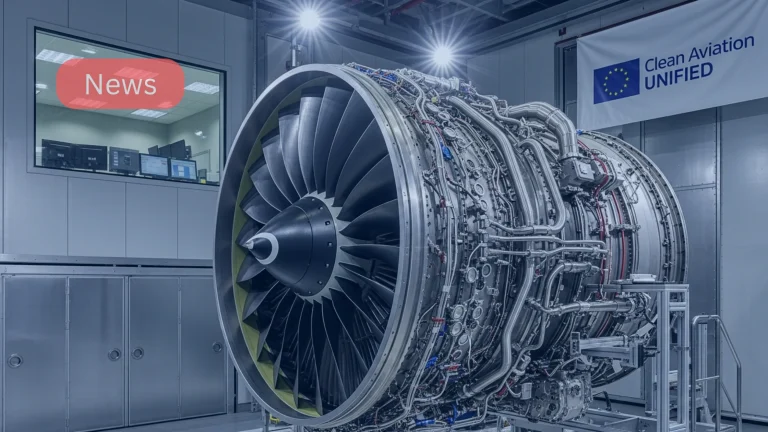
One headline project is Phase Two of the Smart Manufacturing Joint Lab (SMJL), a collaboration between ASTAR, Rolls-Royce and SAESL, which the partners say will accelerate innovations in fan-blade production, additive manufacturing for repair, and automated inspection systems. ASTAR describes Phase Two as close to S$34 million of targeted effort, complementing other new joint labs and SME-focused programmes.
Who’s involved and what they’ll build
- A*STAR (coordinator), provides public R&D capability and links to local research institutes and SMEs.
- Rolls-Royce, expands collaborative manufacturing and MRO technology work (fan-blade production, materials/process innovation).
- SAESL (Singapore Aero Engine Services), leverages lab outputs to scale MRO capacity; SAESL is expanding its Trent engine MRO capability and investments.
- Local SMEs will co-innovate, scale capabilities and enter approved vendor lists after validation runs. A*STAR and partners emphasise SME upskilling and supplier inclusion.
Why it matters for Singapore’s aerospace ecosystem
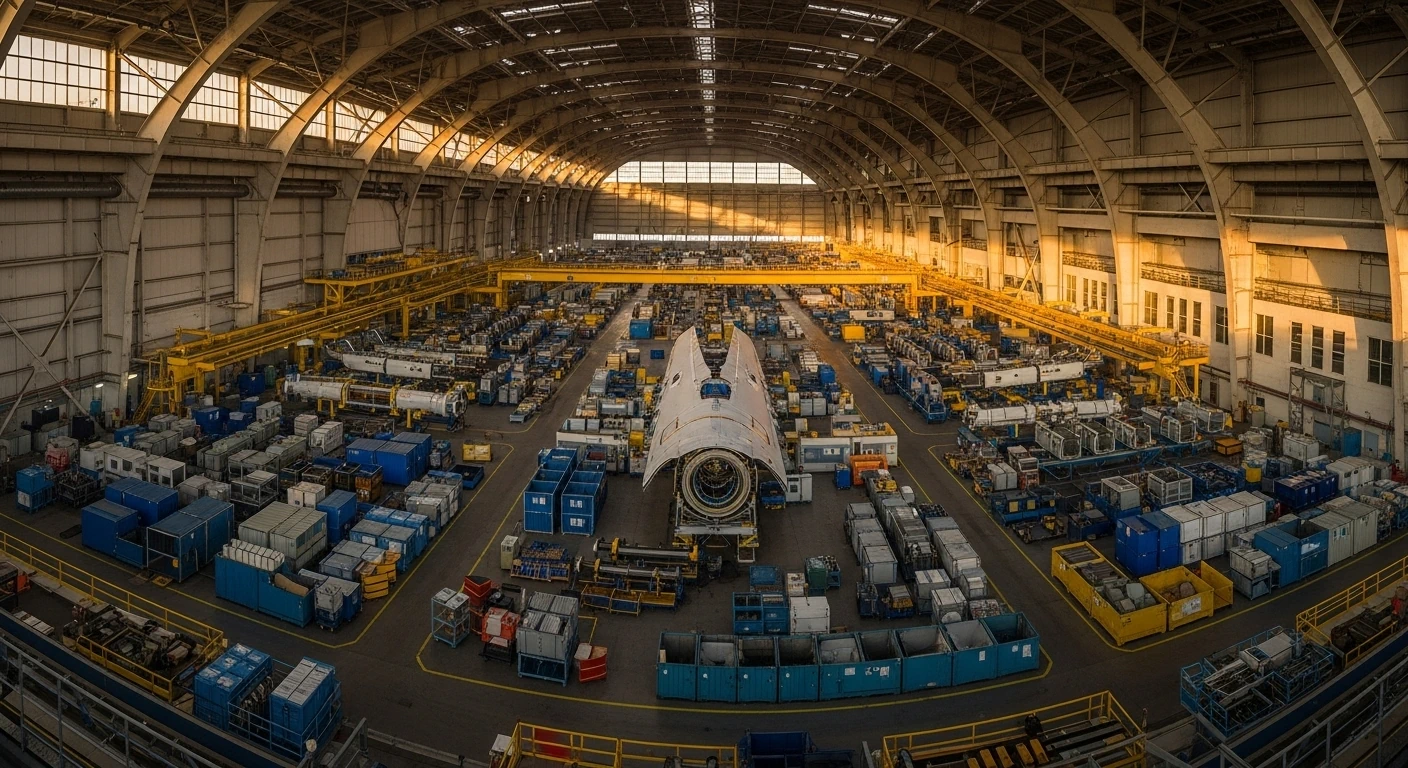
- Upgrading MRO & manufacturing capacity: The projects target higher-value activities, advanced manufacturing, additive repair, and automated inspection, enabling Singapore to capture more complex supply-chain work rather than only lower-value tasks. That strengthens Singapore’s attractiveness as an MRO and aerospace manufacturing hub for OEMs and Tier-1 suppliers.
- SME scaling & jobs: A*STAR and partners say the labs will create supplier opportunities and upskill local firms. SAESL’s expansion programme cited in partner releases is expected to support hundreds of high-value jobs over coming years, although detailed job timing and counts are programme projections to be confirmed in implementation reports.
- Productivity & footprint gains: A*STAR’s materials note earlier SMJL work enabled notable productivity improvements in fan-blade manufacturing; Phase Two is intended to deliver additional throughput and reduced scrap without expanding factory footprints. That helps OEMs scale output without linear increases in capital expenditure.
Timeline & expected outputs
- 2017–2024: Phase One of SMJL delivered 18 technologies, improved productivity and added SMEs to vendor lists.
- Oct 2025: Launch of four joint research projects (SMJL Phase Two + three SME-oriented labs); combined funding announced as >S$55m.
- Next 2–5 years: Partners aim to deploy additive manufacturing repairs, expand fan-blade production by ~30% without increasing footprint, and accelerate SAESL’s output. SAESL’s broader expansion plans are also expected to create up to 500 high-value jobs over five years (per partner statements).
What’s next? Industry outlook
Expect partners to publish technical milestones and SME onboarding updates as Phase Two work progresses. Watch for:
- A*STAR / EDB progress reports with pilot deployments and SME case studies.
- SAESL / Rolls-Royce updates on increased fan-blade throughput, additive repair certifications and MRO capacity expansion.
- SME export wins as local suppliers complete validation and join approved vendor lists for global OEMs.
Sources & further reading
- ASTAR, press release: ASTAR, Rolls-Royce, and SAESL deepen strategic partnership for aerospace manufacturing and MRO technologies (SMJL Phase Two), 3 Oct 2025.
- Singapore Economic Development Board, media release on A*STAR/Rolls-Royce/SAESL collaboration.
- Ministry of Trade & Industry (MTI), speech by Minister Tan See Leng at launch (notes combined investment “over S$55 million”).