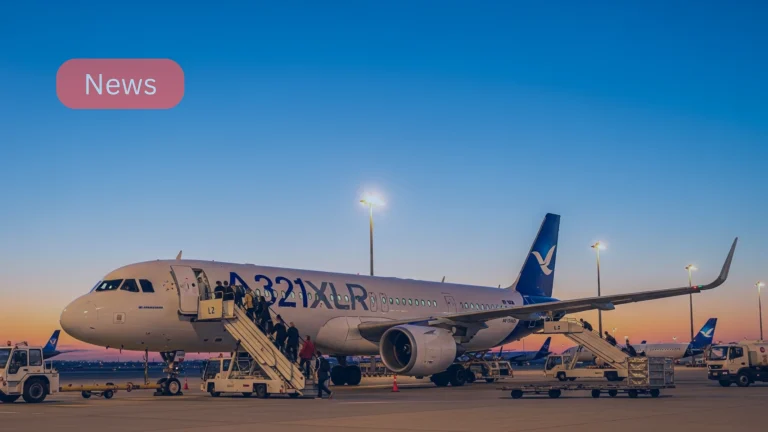
Once the workhorse of short-haul aviation, the Boeing 737-200, a classic of the Original 737 series, has dwindled to a rare breed. Yet, as of 2025, some of these vintage commercial jetliners continue flying, primarily in remote and challenging regions where modern aircraft simply can’t go.
From Icon to Rarity: The Legacy of a Gravel-Ready Jet
The Boeing 737-200, introduced in 1968, was the flagship of Boeing’s narrowbody lineup. Over its production run, more than 1,100 units were delivered, many equipped with specialized gravel kits, a gravel deflector on the nose gear and engine-inlet vortex dissipators, that allowed operations from unpaved and gravel runways far beyond the reach of newer jets. This glorified retro jet became a familiar sight in rugged regions and forms a significant part of aviation history.
How Many 737-200s Still Fly?
- Simple Flying reports around 17 instances of active Boeing 737-200s worldwide in 2025.
- FlightGlobal is even more conservative, citing fewer than 40 active airframes, a figure consistent with the notion these jets have become extremely rare.
- AirportSpotting.com provides a detailed count: only nine passenger operators still fly the Boeing 737-200:
- Air Inuit (Canada): 4
- Air Zimbabwe (Zimbabwe): 1
- Avior Airlines (Venezuela): 4
- Canadian Airways Congo (Congo): 1
- Chrono Aviation (Canada): 3
- Estelar Latinoamerica (Venezuela): 2
- Nolinor Aviation (Canada): 7
- Penial Air / Halla Airlines (Kenya): 1
- Venezolana Airlines (Venezuela): 2
Beyond passenger service, some Boeing 737-200s continue as freighters or military transports, especially in countries like Indonesia, Peru, India, and even one US military T-43 variant.
Nolinor Aviation: The Final Stronghold for a Vintage Jet
Nolinor Aviation, a Canadian charter specialist, stands as the largest remaining operator of the Boeing 737-200. As of mid-2025, the fleet includes nine active combi-configured aircraft, each fitted with gravel kits and able to carry up to 119 passengers or substantial cargo.
- In August 2025, the arrival of the 8th aircraft (registration C-FTWW) reaffirmed Nolinor’s deep commitment to the type. Another jet is undergoing refurbishment for late-season entry, and a 9th aircraft is expected by 2026.
- Nolinor’s use of gravel-kit equipped 737-200s remains unmatched in Northern Canada, especially to serve mining communities and remote outposts. The airline even maintains the world’s only active Boeing 737-200 flight simulator, enabling vertical integration of maintenance and training, a legacy of the aircraft that few others preserve.
As President Marco Prud’Homme explains:
“The 737-200 holds a unique position as the only jet certified by Boeing to land on gravel runways, a critical capability for operations in northern Canada where infrastructure is limited.” Avgeekery.com
Why These Jets Still Fly: Tech, Terrain, and Tenacity
- Gravel-capability: A feature almost unique to the 737-200, gravel deflectors and vortex dissipators, allowed access to short, unpaved runways in the Arctic and beyond. No modern jet offers this combination of performance and toughness.
- Cost-effective legacy maintenance: Companies like Nolinor manage the complex art of aging-jet upkeep with vertical integration, internal MRO facilities, and deep expertise passed over decades.
- Geographic necessity: In Northern Canada and similar remote regions, these jets remain essential lifelines. From transporting miners in Nunavut to landing on gravel strips unreachable by airliners, the 737-200 remains irreplaceable.
The Global Heritage of the 737-200 in 2025
| Operator Type | Notable Details |
| Nolinor (Canada) | ~9 gravel-kit combis; strong presence with refurbishments and simulator support |
| Canadian Operators | Air Inuit, Chrono Aviation serve remote regions, maintenance-heavy operations |
| Latin American | Airlines in Venezuela (Avior, Estelar, Venezolana) few jets |
| African & Others | Canadian Airways Congo, Air Zimbabwe, Penial/Halla in Kenya keeps the type in limited use |
| Military/Cargo | Active airframes in South America, Asia, and one U.S. T-43 occasionally fly |
Legacy vs. Modernization: What’s Next?
- Nolinor’s extended timeline: Prud’Homme has suggested the remaining 737-200 fleet could well remain operational into the 2040s, driven by niche demand and Boeing’s technical support.
- Regulatory pressures: Noise, emissions and aging-part challenges could speed retirements unless operators reinvest significantly in refurbishments and certifications.
- Preservation efforts: As the airworthy numbers shrink, aviation history buffs and museum projects may attempt to secure final examples.
- Last flight opportunities: For enthusiasts, catching a ride on one of these classic 737-200s in 2025 could be a once-in-a-lifetime opportunity.
Final Words
The Boeing 737-200 has outlasted most of its generation, enduring as a durable, niche workhorse where newer narrowbody jets dare not tread. Simple Flying’s figure of 17 active global examples aligns with wider fleet tracking that places the number in the few tens at most. Canadians, and especially Nolinor Aviation, remain its most dedicated stewards, keeping a gallery of these gravel-kit classic jets alive in the skies of the Arctic and beyond. As each one eventually glides into retirement, the 737-200’s story becomes a testament to aviation’s ingenuity, endurance, and history.
Citation Note
- Simple Flying: “How Many Boeing 737-200s Are Left?,” ~17 active airframes reported.
- FlightGlobal: fewer than 40 active globally.
- AirportSpotting: listing 9 passenger operators in 2025.
- Nolinor Aviation: fleet data (9 combis), refurbishments, gravel kit reliance.
- Aviacionline & ch-aviation: commentary on gravel-chip certifications, fleet resurgence projections.