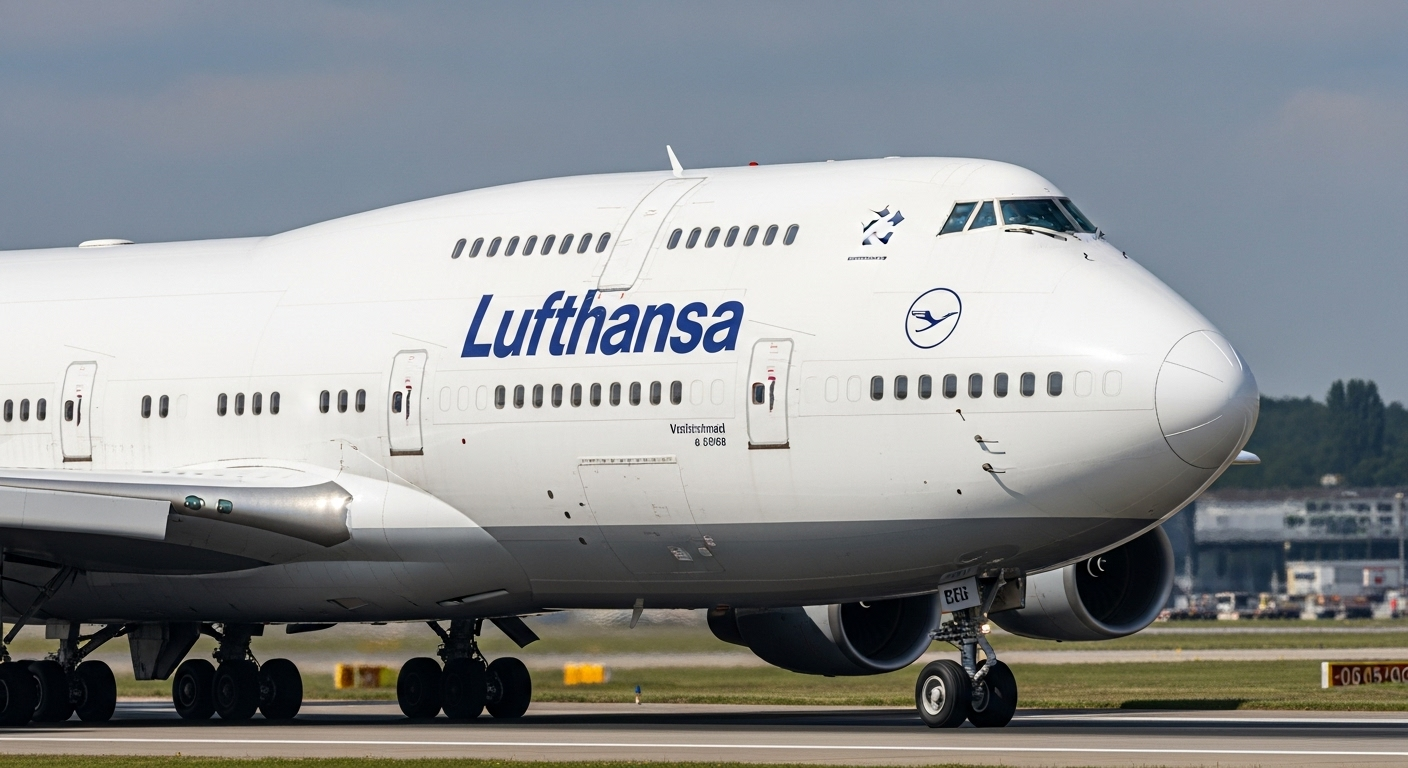

Simple Flying recently analyzed the pressing question: Which modern aircraft serves as the real-world successor to the Boeing 747? The verdict: the Boeing 777X family, notably the 777‑9, is the closest functional replacement in terms of capacity, efficiency, and operational viability in today’s airliner market .
The Decline of the Boeing 747
First flown in 1969, the Boeing 747 revolutionized long-haul travel, but multiple factors have led to its decline
- Quad-jet design with high fuel consumption
- The rise of ultra-efficient twinjets like the 777 and A350
- Airbus’s A380 briefly filled the 747’s high-capacity niche, yet it too ceased production in 2021 twz.com.
Boeing delivered its final 747, a 747‑8F freighter, in January 2023, ending a 50+ year production run.
Enter the Boeing 777X
While not a quad-engine marvel, the 777X answers airlines’ demand for high-capacity performance with modern efficiency
- Two variants: 777‑8 (360–400 seats) and 777‑9 (400–425 seats)
- Up to 12% fuel efficiency gain over the current 777‑300ER, with longer range
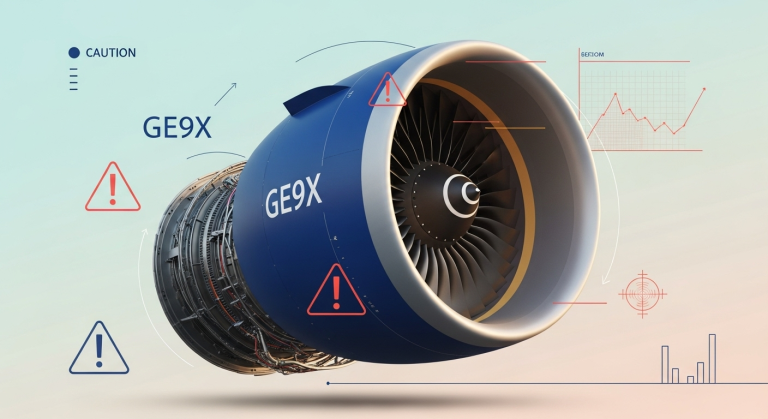
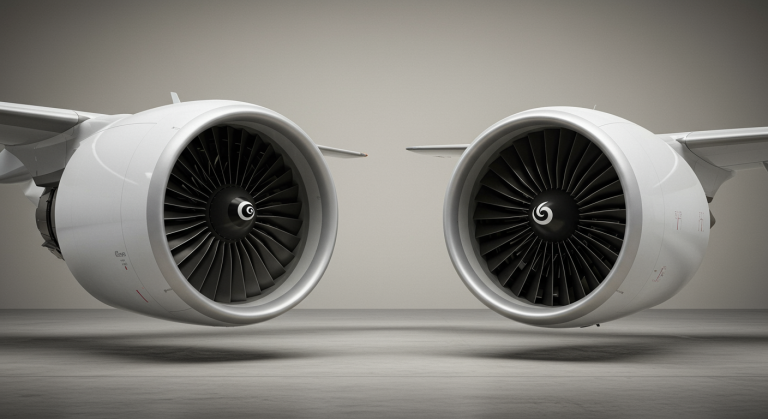
- Equipped with new GE9X engines, carbon-fiber wing, latest avionics
- Scheduled to enter service in 2026, initially with debut customer Lufthansa
Airline Strategies: Moving On from 747
Several large carriers have adjusted fleet strategy away from the 747
- Lufthansa retires 747‑400 and 747‑8 by 2028, transitioning to 777X and A350s
- British Airways replaced 747‑400s with A380s, 777‑300ERs, and now orders 777‑9s
- Virgin Atlantic phased out 747‑400 fleet fully in 2020, switching to A350‑1000s and 787‑9s
These airlines reflect a broader industry shift, embracing twinjets for greater cost-efficiency and flexibility.
Technical & Market Considerations
Aviation experts note vital differences
- The 777X, despite larger capacity, uses twin engines, requiring ETOPS certification but benefiting from lower fuel burn per seat.
- Airlines also diversify across A350s and upcoming aircraft: Airbus predicts long-haul demand with market forecasts for 8,200 wide body deliveries between 2025–2044, closely trailing Boeing’s 7,800‑figure.
Emissions & Environmental Performance
The 777X incorporates cutting-edge efficiency
- Fuel burn/seat-mile is ~20–25% lower than 747-8 series and ~12% better than the 777-300ER, due to GE9X engines, carbon-fiber wing, and aerodynamic refinements.
- GE9X engines and structural updates reduce carbon emissions significantly. Boeing states the 777X is the most efficient widebody, with emissions cut by ~10–20% relative to older models .
- Wider adoption of SAF (sustainable aviation fuel) could further slash carbon output, Boeing aims for up to 100% SAF operation by 2030 .
- Noise pollution is also down, benefiting airport communities a considerable improvement over quad-engine predecessors.
Operating Costs & Economic Efficiency
Building on its greener credentials, the 777X offers compelling cost benefits:
- Fuel cost is dramatically lower: 747-8 burns ~10,114 L/hr (~$7,150/hr); the 777‑300ER runs ~$10,250/hr, while the 777X is projected to fall below due to efficiency gains.
- Per-seat cost: 777X seats outperform the 747 across metrics, with 777‑9 achieving ~2.5 L/100 km per seat vs 3.5 L/100 km for the 747‑8.
- Maintenance savings: Twin-engine reliability and advanced systems reduce capex and service expenses.
- Fixed costs: Although 777‑9 list price ($442M) is higher than 747‑8I ($420M), discounts align real-world prices.
- Lifecycle total cost: Models show ~20% downward movement in operating costs compared to the 747.
Airline Order Commitments (777X)
With tangible value, airlines have backed the 777X in large numbers:
- Total firm orders: Approximately 481 units amassed across major carriers.
| Airline | 777X Orders |
| Emirates | 205 |
| Qatar Airways | ~94 |
| Lufthansa | 27 |
| British Airways (IAG) | 18 |
| Cathay Pacific | 21 |
| ANA | 20 |
| Etihad Airways | 25 |
| Air India | 10 |
| Ethiopian Airlines | 8 |
| Cargolux | 10 |
| Silk Way West | 2 |
- Notable large deals include a $96 billion Qatar Airways order (150 Dreamliners + 30 777‑9s), and Emirates’ 205-unit 777X commitment underpinned by faith in twin-engine economics.
- Launch Customer: Lufthansa will receive the first 777X in 2026.
What the Future Holds: Balancing Legacy & Future
The 777X’s twin-engine architecture, advanced materials, and sustainable design make it a 28th-century alternative to the venerable 747.
- It preserves long-haul capacity (~400+ seats) but with 20–25% less emissions and cost per seat.
- Airlines are deeply committed: almost 500 firm orders indicate confidence in its economic model.
- The 777X integrates ESG trends with operational value, offering lower carbon output, noise reduction, and passenger comfort.
As the 777X program concludes testing and begins deliveries in 2026, it is poised to inherit the mantle of “Queen of the Skies”, but reimagined for post-pandemic realities and climate priorities.