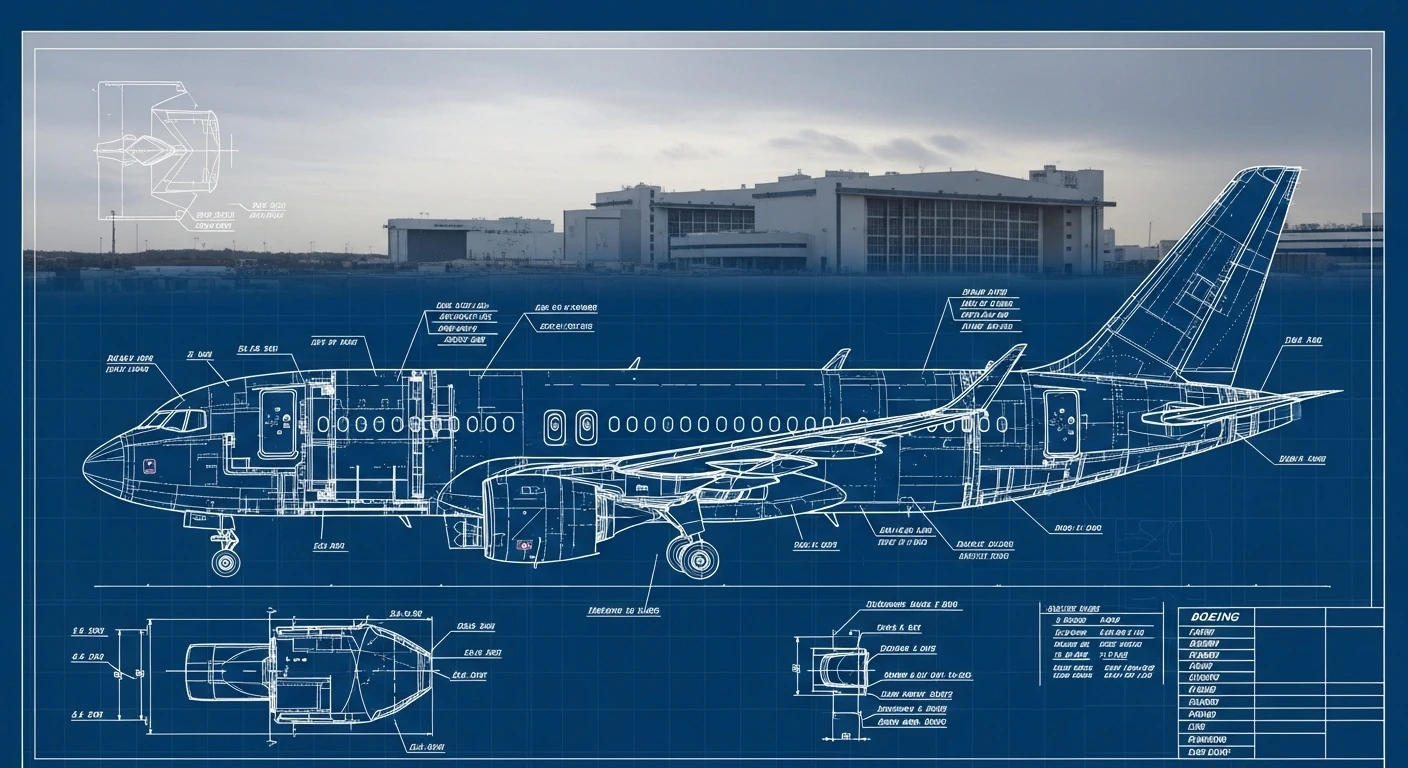

The Wall Street Journal reports that Boeing has started early design work on a next-generation single-aisle aircraft intended to eventually succeed the 737 MAX. The story, summarized by the Seattle Times and covered independently by Reuters and Bloomberg, says Boeing is carrying out internal design efforts and exploratory talks with engine makers as it scans future market needs.
Company spokespeople have not announced a formal program launch. Reuters and Bloomberg emphasise that Boeing’s immediate public priorities remain delivering a backlog of nearly 6,000 aircraft and completing certification for models such as the 777-9, so early design activity should be seen as long-range planning rather than an imminent product announcement.
What the reports say
- Who: Boeing internal design teams; WSJ cites unnamed people familiar with the matter. Boeing has not released a public program statement.
- What: Early design and flight-deck work on a potential 737-class successor; exploratory engine conversations reportedly took place with Rolls-Royce.
- When: Reports dated 30 September 2025 indicate the work is currently under way in early form.
- Why: OEMs plan far ahead, single-aisle replacements require years of design, testing and certification. Boeing is positioning itself for long-term market leadership while attempting to resolve near-term production and certification issues.
Industry context & why this matters
- Product lifecycle: New narrowbody developments take a long time, often 10-15 years from early design to entry into service. Early design work today typically targets the 2030s for entry-into-service. That makes internal planning necessary even as OEMs manage current production.
- Competitive pressure: Airbus continues R&D on A320 successor technology. A future Boeing single-aisle would be a strategic response to Airbus’s leadership in orders and deliveries.
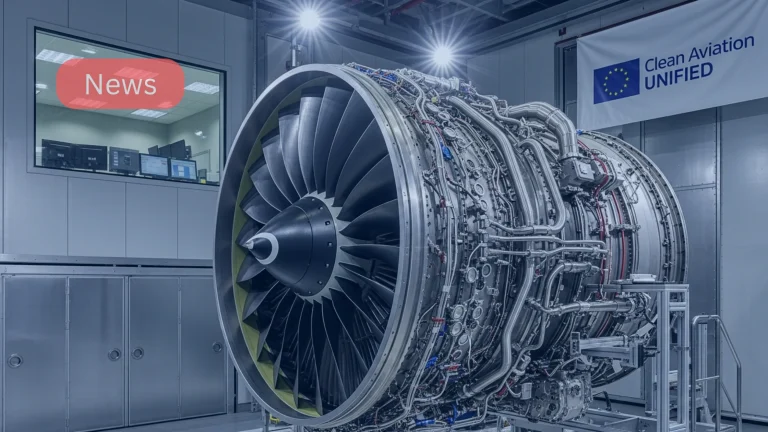
- Supply chain & engines: Exploring non-traditional engine partners (e.g., Rolls-Royce) suggests Boeing is considering diverse suppliers and next-generation propulsion tech, but such relationships require long lead times for engine development and certification.
Timeline & quick impacts
- Now (Sept 2025): WSJ/Reuters/Bloomberg report early internal design work and exploratory talks.
- 2026–2030: OEMs typically move from concept to preliminary design; significant customer engagement and supplier commitments usually follow.
- 2030s: Possible entry-into-service window for a clean-sheet single-aisle replacement if a program is launched formally and proceeds on schedule (industry estimate; highly dependent on funding, certification and market).
Expert perspective & caveats
Aviation analysts told Reuters and other outlets that early design work is common and prudent, but stressed that Boeing must first stabilise production and certification for existing models to regain market trust. Analysts expect any new Boeing single-aisle program to be cautious on timelines and heavily contingent on supplier commitments and regulatory engagement.
What’s Next? Industry outlook
- Watch for an official Boeing announcement: until Boeing confirms, treat reporting as early planning rather than a formal program.
- Monitor supplier engagement: confirmed engine supplier talks (e.g. Rolls-Royce) or major customer letters of intent would move the story from “planning” to “probable program.”
- Regulatory and certification focus: Boeing’s ability to balance near-term certification work (777-9, MAX variants) with long-term R&D will shape timing and credibility.
Sources & further reading
- Wall Street Journal, “Boeing Has Started Working on a 737 MAX Replacement” (WSJ report summarised Sept 30, 2025).
- Reuters, “Boeing in early stages of developing 737 MAX replacement, WSJ reports” (30 Sept 2025).
- Financial Times, “Boeing held early talks with Rolls-Royce over engine for 737 Max successor” (context on engine talks).
- Bloomberg coverage summarising the WSJ reporting and quoting industry sources.