
Boeing commercial airliners will not appear on static or flying display at the Singapore Airshow 2026, according to an Aviation Week article by Kurt Hofmann published Feb. 1, 2026.
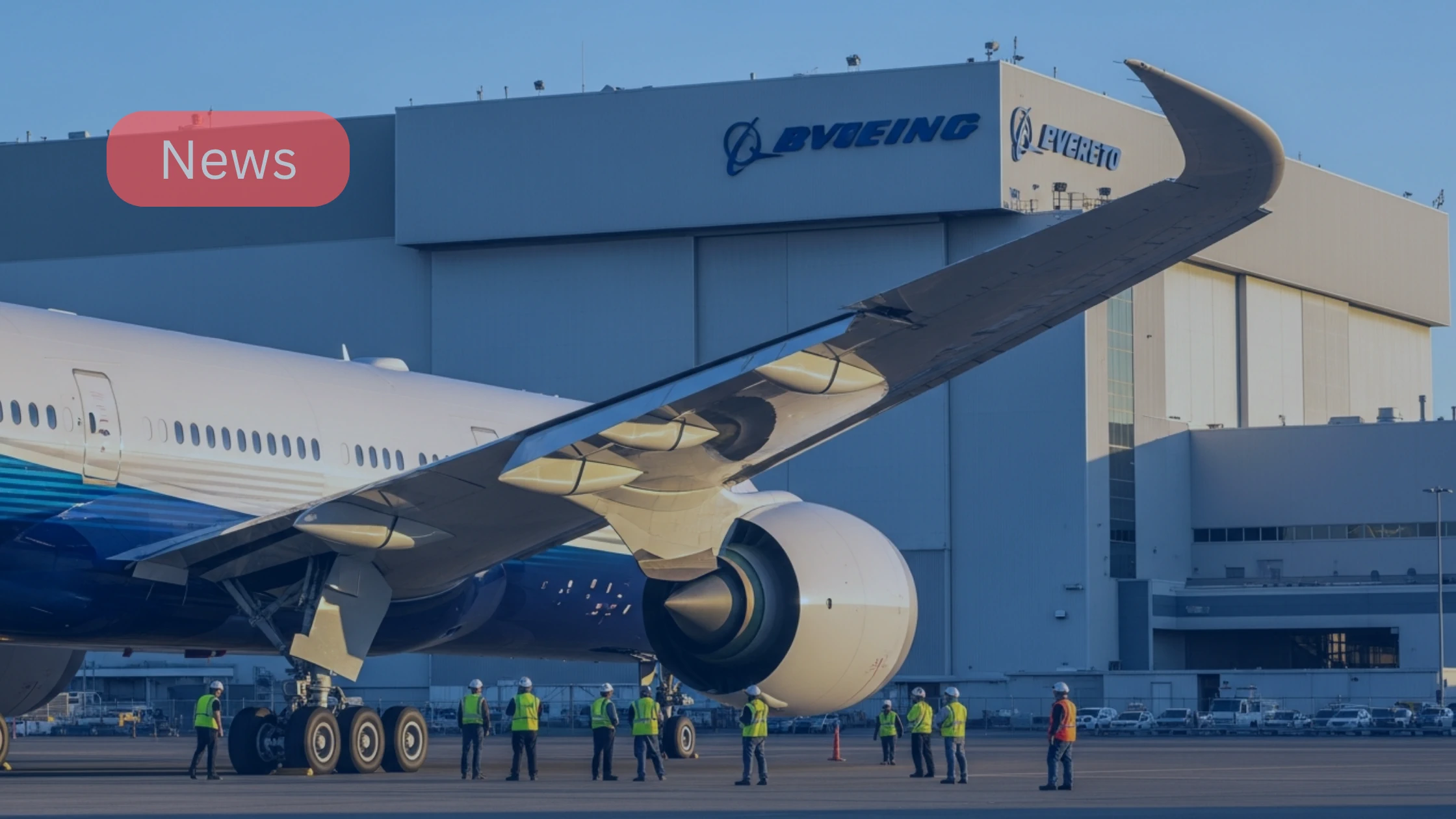
The U.S. planemaker cited ongoing certification work on its 777X and 737 MAX series as the primary reason it could not commit aircraft for the biennial event in Singapore. Boeing executives told Aviation Week that all available widebody flight test airframes, including four 777-9s, remain engaged in certification activities at Boeing Field and Paine Field in Washington state.
This absence comes just weeks before the Asia-Pacific region’s largest aerospace showcase, where manufacturers typically engage with airlines and showcase new aircraft. With demand for new jets continuing to grow in Southeast Asia, nearly 4,800 new aircraft forecast through 2044, according to Boeing’s own market outlook at the same airshow, the lack of Boeing airliners stands out.
Why Boeing Is Missing From Singapore Airshow 2026
Boeing’s decision affects both of its major commercial programs:
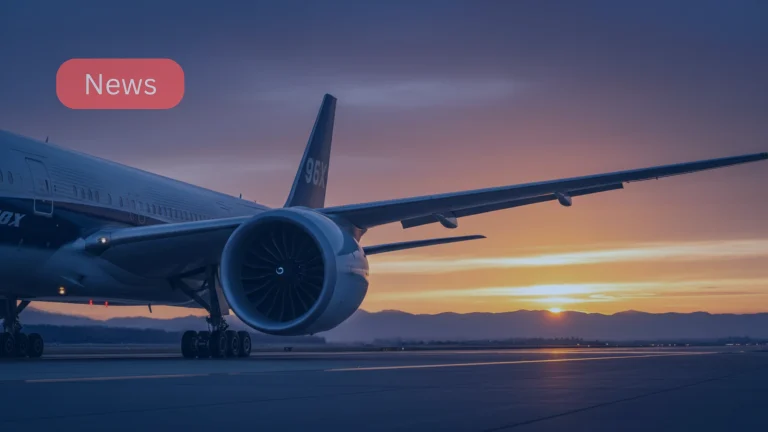
777X Certification Takes Priority
- Boeing’s 777-9 wide-body jet is deep into its certification phase, with four demonstrators flying and a fifth scheduled to join tests.
- Entry into service remains targeted for 2027, but delays have persisted amid rigorous testing and regulatory review cycles.
737 MAX Family Still Under Scrutiny
- Boeing also said the 737-7 and 737-10 certification efforts are ongoing.
- Industry watchers note the Federal Aviation Administration (FAA) continues to press for strong oversight before restoring full self-certification authority after past safety lapses.
With limited spare jets available outside test and certification duties, Boeing opted not to send aircraft to Singapore. An unnamed Boeing sales employee told Aviation Week, “This is not the time to send an aircraft as a display… Boeing’s focus is on itself now, its employees, et cetera.”
Singapore Airshow Landscape: Airbus and Comac Step Forward
With Boeing airliners absent, competitors are maximizing visibility at Singapore:
- Airbus brings new A350-1000 and other models to flying and static displays, reinforcing its market position in Asia.
- Comac of China continues to increase its presence, highlighting regional jets such as the C919 and C909.
This dynamic reflects evolving competitive landscapes in Southeast Asia aviation markets, where demand for new aircraft remains strong.
What This Means for Airlines and the Industry
Impact on Airline Engagement
- Boeing’s absence in static displays may limit direct engagement with Asian carriers and lessors at a crucial sales hub.
- Airlines in the region are expected to place orders for new narrowbody and widebody jets as fleet expansions continue.
Certification Confidence
- Regulatory focus on certification standards is intended to rebuild confidence after past safety and production quality challenges.
- The process may temporarily slow delivery schedules but reinforces long-term safety credibility.
What’s Next: Industry Outlook
- Certification Progress: Boeing continues its aircraft certification programs and aims to complete key milestones throughout 2026.
- Return to Air Shows: Boeing has stated it plans to participate in future events and is expected to send aircraft once certification demands ease.
- Asia-Pacific Market Growth: Forecasts project sustained demand for new aircraft as travel rebounds and carriers expand networks.
Sources
- Aviation Week Network: Kurt Hofmann, Boeing Says Certification Work Means No Airliners for Singapore Airshow
- Aviation Week Network: Boeing Absent From Singapore Airshow Display as Others Step Up
- Reuters: Boeing Resumes 777X Test Flights After Grounding
- Airways Magazine: FAA Says Boeing Still Lacks Full Self-Certification Authority