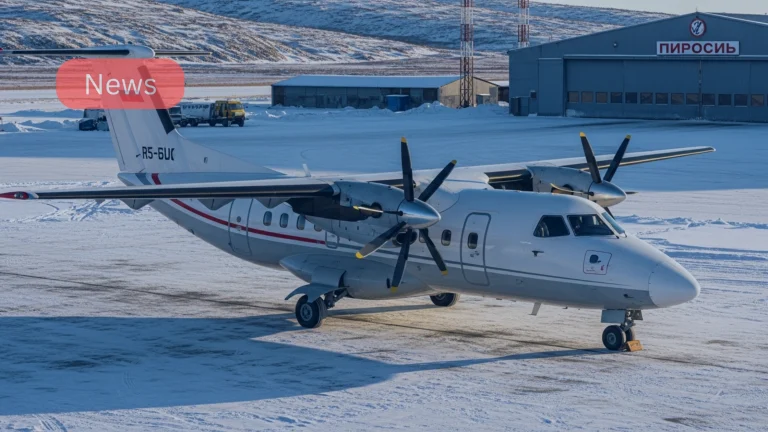
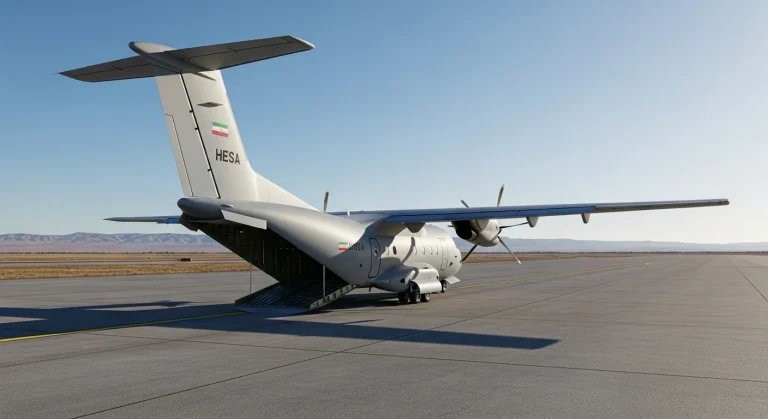
Deutsche Aircraft has rolled out the first test article of the D328eco, a modernised successor to the 35-year-old Dornier 328, marking a major step in the platform’s return to production. The company unveiled the test aircraft at its Wessling (near Munich) facility in May 2025 and has since confirmed key suppliers and suppliers’ roles as it advances toward flight testing and certification.
The revival taps a renewed market appetite for 30-50 seat turboprops in niche regional markets, offering fuel-efficient short-haul connectivity while aiming to incorporate modern avionics, composites and SAF-compatible systems. Deutsche Aircraft pitches the D328eco as a 40-seat regional turboprop that blends proven airframe heritage with contemporary technology.
What changed, from Dornier 328 to D328eco
The D328eco is not a clean-sheet design but a comprehensive modernization of the Dornier 328 platform. Deutsche Aircraft has redesigned structures with a composites-intensive approach, updated systems and selected modern avionics (Garmin-based) and contemporary powerplant/propulsion options intended for improved efficiency. The company says these changes deliver better fuel consumption, lower emissions and improved passenger comfort versus legacy aircraft. Trade outlets and Deutsche Aircraft materials corroborate the composites focus and the programme’s sustainability messaging.
Supplier line-up and industrial progress
At the Paris Air Show and in subsequent press releases, Deutsche Aircraft confirmed its primary structure suppliers, most recently naming Aernnova as empennage supplier, bringing the programme’s primary structure supply chain to completion for serial production. Aernnova and other partners are expected to deliver components built to Deutsche Aircraft’s build-to-print requirements, a key step toward industrialisation. Industry outlets (AIN, CompositesWorld) reported and analysed these contract announcements.
Deutsche Aircraft also rolled out a first test article (TAC-1) in May 2025 and outlines a flight-test campaign leading to certification. The company says it plans to continue building prototypes and to move toward production in a staged timeline.
Market opportunity, where the D328eco fits
Deutsche Aircraft argues the D328eco fills several niches:
- Thin and regional routes where smaller, efficient turboprops deliver lower trip costs than jets.
- Special-mission roles (cargo, medevac, surveillance) where the 328’s rugged performance has historically proven valuable.
- Emerging markets in parts of Asia and Africa that still rely on short-haul connections with limited runway infrastructure.
Aviation Week and other analysts note that there is a replacement market for ageing small regional types and that some airlines and governments are receptive to smaller, fuel-efficient aircraft as they expand domestic and secondary city connectivity. Still, incumbents such as ATR and the Dash-8 family dominate larger turboprop segments, so the D328eco targets a more specialised 30-50 seat bracket.
Program risks and schedule reality
While manufacturer statements set out optimistic milestones (flight testing in 2026, certification and entry-into-service stated in various releases as 2026–2027), independent trade coverage and prior reporting indicate program timing can shift. Deutsche Aircraft previously announced schedule adjustments and faced regulatory and supply-chain hurdles that delayed earlier targets; a 2024 report documented a two-year slip in the programme. That history underscores that certification remains contingent on test outcomes and regulator review. Readers should therefore treat timetable claims as targets rather than guarantees.
Independent perspectives
Aviation Week’s reporting emphasises both the technical promise and business challenges: modernising an old platform can reduce development cost and speed time-to-market, but market uptake depends on firm orders, operator confidence and the ability to scale production profitably. Deutsche Aircraft says it has engaged with dozens of potential customers and reported letters of intent and LOIs, but firm purchase contracts and long-term support commitments will be the true test of commercial viability.
What’s next
- Flight test campaign: Deutsche Aircraft’s next formal step is ground testing of TAC-1 followed by flight testing; multiple prototypes are planned to support certification.
- Supplier deliveries & final assembly ramp: watch for further supplier deliveries and the ramping of the planned final assembly line. Aernnova’s empennage contract completes the primary structure roster.
- Commercial traction: confirmatory OEM announcements, entry-into-service dates and initial operator orders will determine whether the D328eco becomes the benchmark for niche regional turboprops.