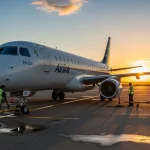
Discover the key skills and personal attributes essential for success in aircraft maintenance. Learn how technical expertise, leadership, and adaptability ensure a thriving career in aviation.
Essential Skills and Personal Attributes for Success in Aircraft Maintenance
Aircraft maintenance is a highly specialized field that requires a combination of technical expertise, leadership ability, and personal attributes. A successful aircraft maintenance professional must possess a blend of learned skills and innate qualities to ensure safety, efficiency, and excellence in the aviation industry.

Understanding Personal Attributes vs. Skills
Personal attributes define who you are, including your innate qualities and natural talents. Unlike skills, which are learned and developed through training and experience, personal attributes are deeply rooted in character traits and attitudes. While skills can be demonstrated through actions, personal attributes shape how you interact with others and handle tasks.
Having the right combination of attributes and skills enables aviation professionals to excel in their roles and prepare for future career advancements. Whether you are an experienced aircraft maintenance technician or just starting, investing in both areas can set you apart in the competitive aviation industry.
Key Personal Attributes for Aircraft Maintenance Professionals
- Stress Tolerance: Stress tolerance refers to the ability to handle high-pressure situations without becoming overwhelmed. Aircraft maintenance professionals often work under tight deadlines and challenging conditions. Those with strong stress tolerance remain productive, composed, and effective even in uncertain or demanding situations.
- Resiliency: Resiliency is the capacity to recover quickly from setbacks, difficulties, or unexpected changes. Resilient professionals maintain a positive outlook, adapt to challenges, and view failures as opportunities for growth. This mindset is crucial in an industry where precision and problem-solving are paramount.
- Independence: Independence means having the ability to manage responsibilities and make critical decisions without constant supervision. Aircraft maintenance personnel must be self-sufficient, capable of handling tasks, troubleshooting issues, and taking initiative when necessary.
- Collaboration: Collaboration is essential in aircraft maintenance, as professionals often work in teams to complete complex tasks. Effective teamwork fosters communication, problem-solving, and efficiency, ensuring aircraft remain safe and operational.
- Adaptability: Aviation is a constantly evolving industry. Adaptability enables professionals to adjust to changing technologies, regulations, and working conditions. Those who embrace change remain valuable assets to their organizations.
- Analytical Thinking: Analytical thinking involves systematically evaluating information to reach logical conclusions. Aircraft maintenance requires diagnosing issues, understanding cause-and-effect relationships, and implementing effective solutions.
- Attention to Detail: Precision and meticulousness are critical in aircraft maintenance. Professionals must adhere to strict protocols, ensuring every component is inspected and maintained to the highest safety standards.
- Active Learning: Continuous learning is key in aviation. Active learners engage with new technologies, procedures, and industry developments to stay ahead and maintain high levels of competence.
- Innovativeness: Innovation drives efficiency and improvement. Professionals who think creatively can develop better maintenance strategies, enhance problem-solving, and contribute to industry advancements.
- Service Orientation: A service-oriented mindset ensures that professionals prioritize safety, customer satisfaction, and operational excellence. Understanding the importance of service fosters reliability and trust within the aviation sector.
- Physical Stamina: Aircraft maintenance is physically demanding. Professionals must have the stamina to work in challenging conditions, including standing, bending, and maneuvering in confined spaces for extended periods.

Essential Skills for Aircraft Maintenance Professionals
- Pride in Workmanship: Taking pride in one’s work ensures high-quality output. A commitment to excellence reflects in the safety, reliability, and performance of the aircraft maintained.
- Technical Aptitude: Aircraft maintenance requires knowledge of mechanical systems, electrical circuits, hydraulics, and pneumatics. Technical aptitude enables professionals to diagnose and repair issues effectively.
- Mechanical Skill: Proficiency in using tools, understanding mechanical principles, and performing repairs is fundamental for aircraft maintenance technicians.
- Problem-Solving Skills: The ability to troubleshoot and resolve issues efficiently is essential. Quick, accurate problem-solving minimizes downtime and enhances safety.
- Communication Skills: Clear communication is necessary when working with colleagues, pilots, and supervisors. Effective documentation and reporting are also crucial for compliance and operational efficiency.
- Computer Literacy: Modern aircraft maintenance involves computerized diagnostic systems and record-keeping. Proficiency in aviation software enhances accuracy and productivity.
- 7. Knowledge of Regulations: Compliance with aviation regulations (FAA, EASA, or national authorities) ensures safety and legal adherence. Understanding these guidelines is vital for all maintenance personnel.
- Safety Awareness: A strong safety mindset prevents accidents and ensures strict adherence to protocols. Awareness of emergency procedures and risk assessment is essential.
- Decision-Making Skills: Aircraft maintenance often involves making quick, informed decisions. Professionals must evaluate situations and act decisively to prevent potential risks.
- Leadership Skills: Leadership abilities help maintenance personnel guide teams, make critical decisions, and uphold high standards in aviation safety and efficiency.
- Flexibility: Unexpected challenges arise frequently in aircraft maintenance. Flexibility allows professionals to adjust plans, manage time effectively, and respond to urgent issues efficiently.
- Time Management: Managing time effectively ensures that tasks are completed promptly without compromising safety and quality. Prioritization and efficiency are key components of successful time management.
- Professionalism: Maintaining professionalism involves punctuality, ethical behavior, and respect for colleagues. A professional attitude contributes to a positive work environment and career growth.

Aircraft maintenance is a dynamic field that demands a blend of technical expertise and personal attributes. Professionals who cultivate essential skills and qualities enhance their career prospects, contribute to aviation safety, and stand out in the industry. Whether you’re a seasoned expert or an aspiring aviation professional, continuous learning and self-improvement are key to long-term success.
FAQs
1. What are the most important personal attributes for aircraft maintenance professionals?
Key attributes include stress tolerance, resilience, adaptability, attention to detail, and strong problem-solving abilities.
2. Why is technical aptitude essential in aircraft maintenance?
Technical aptitude enables professionals to diagnose, repair, and maintain complex aircraft systems effectively.
3. How can aircraft maintenance professionals improve their skills?
Continuous education, hands-on experience, certifications, and staying updated with industry advancements help improve skills.
4. What role does leadership play in aircraft maintenance?
Leadership skills help professionals guide teams, make critical decisions, and uphold high aviation safety standards.
5. Why is safety awareness crucial in aviation maintenance?
A strong safety mindset prevents accidents, ensures compliance with regulations, and maintains the reliability of aircraft operations.