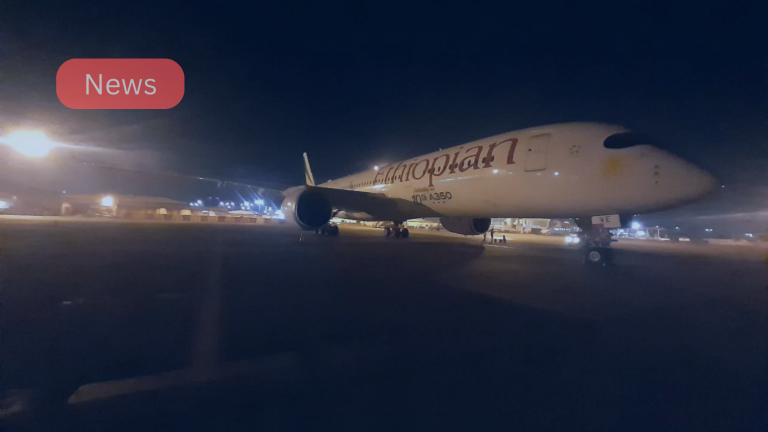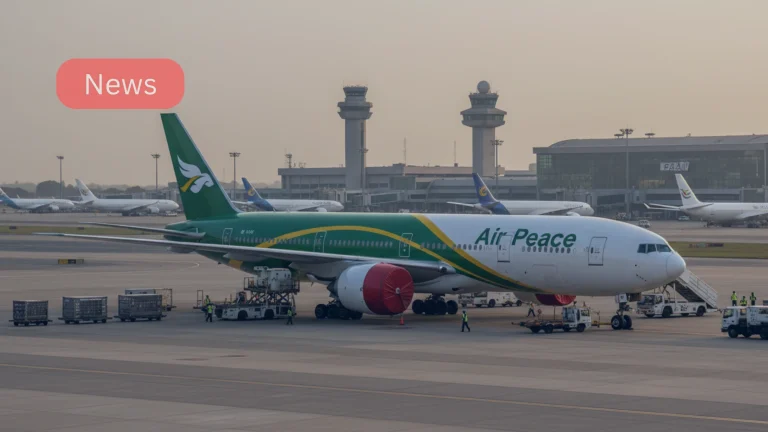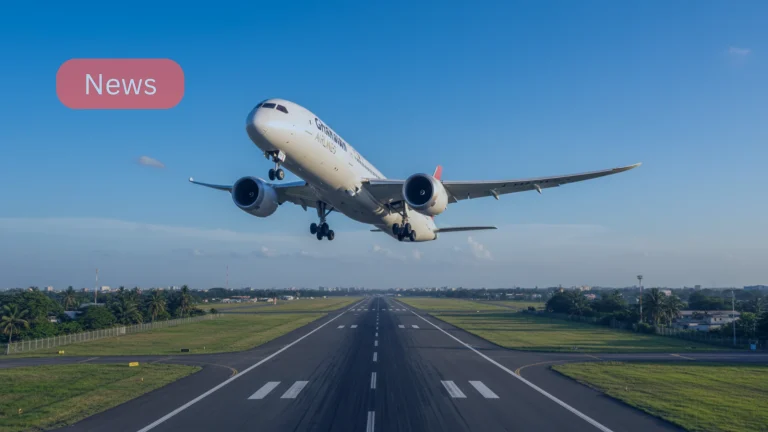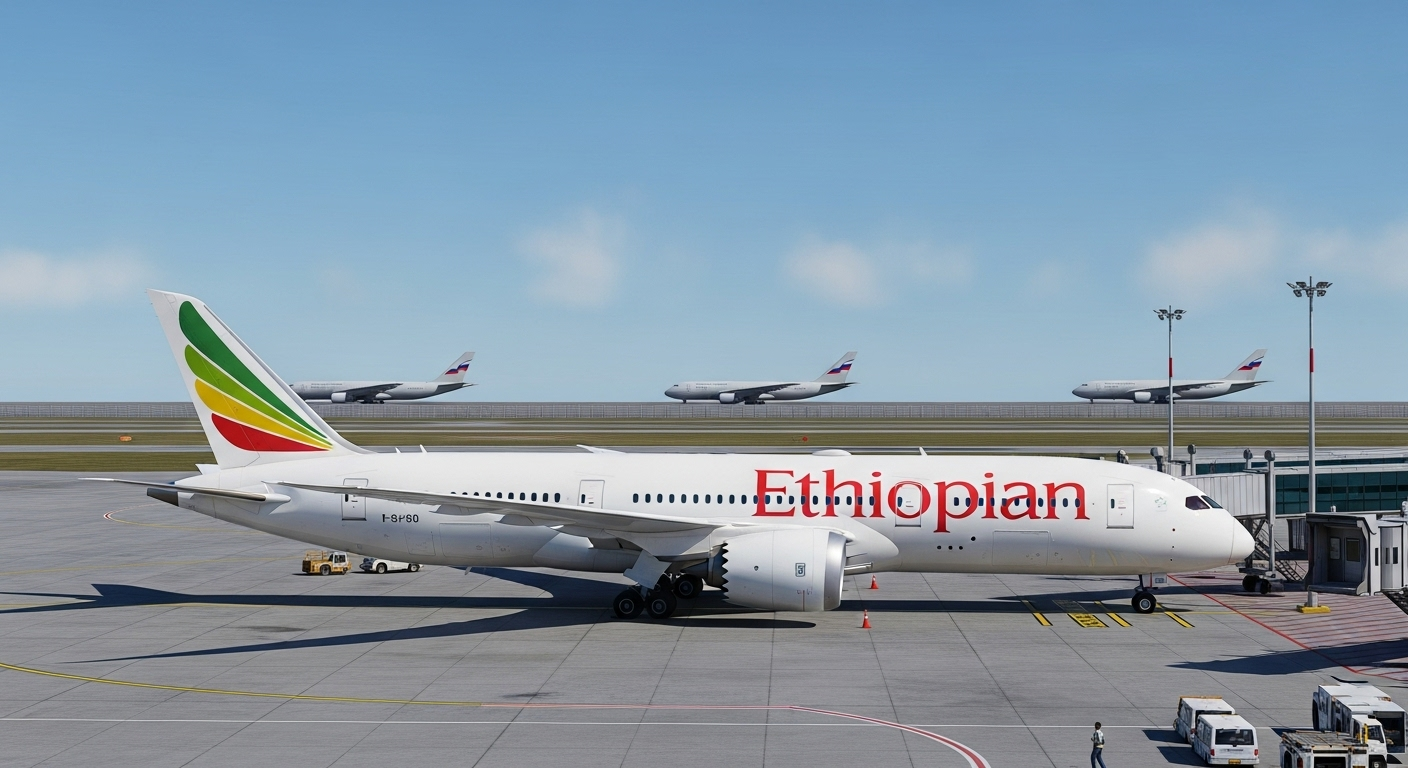

Ethiopian Airlines has strongly denied media reports that it agreed to provide wet‑leased aircraft or spare parts to Russian carriers as a way for Russia to skirt Western aviation sanctions. The denial follows reports that a Russian delegation sought assistance in arranging ACMI (aircraft, crew, maintenance and insurance) leases from Ethiopia, an approach that, if true, would have raised major legal and diplomatic questions.
In a terse statement posted to its official X account, the Addis Ababa‑based carrier said it had “observed news circulating on social media that implicate Ethiopian Airlines will supply airplanes to Russian airlines on wet‑lease bases, and also supply aircraft spare parts to them.” The airline added that it has “never been requested or discussed on this topic with any party” and that it has “no plan or intention to do so,” calling the reports “unfounded.”
The controversy stems from multiple recent local and international reports that a Russian delegation led by trade officials had approached Ethiopian authorities in late July to explore options that could allow Russian carriers to operate Western‑built aircraft under Ethiopian registration, with Ethiopian crews and maintenance. Such arrangements, if implemented selectively and covertly could have afforded Russian airlines access to aircraft and parts they are largely cut off from because of sanctions imposed after Russia’s 2022 invasion of Ukraine.
Ethiopia’s Civil Aviation Authority (ECAA) has also been drawn into the story. Local reporting indicates the ECAA was approached but asserted it lacked the power to order Ethiopian Airlines to lease aircraft, effectively rejecting any request to direct the state‑owned carrier into such a deal. Multiple trade outlets cited ECAA officials as saying the authority could not compel the airline to hand over aircraft or sign wet‑lease arrangements on behalf of the state.
Ethiopian Airlines Group CEO Mesfin Tasew reiterated the airline’s stance in comments reported by The Moscow Times, stressing both the airline’s legal exposures and operational constraints. “Russia is under U.S. sanctions, and Ethiopian Airlines has strong operational and commercial ties with the United States,” Tasew said. “We operate under international regulations and U.S. law, and we are not willing to take the risk of violating those laws.” The Moscow Times, AirlineGeeks.com
Industry analysts say the episode underscores the fraught position Russia now occupies in global aviation. Following sanctions that restrict Russian access to new Boeing and Airbus aircraft, spare parts and maintenance services, Russian carriers and authorities have been reported as seeking creative workarounds, from domestic modifications to leasing and re‑registration schemes. However, such workarounds carry major legal and operational risks and could expose counterparties to secondary sanctions or loss of access to Western markets.
What was reported, and what’s verified
Multiple outlets initially reported that Russian trade representatives, including the country’s trade commissioner, were in Addis Ababa in late July. Reports suggested the delegation sought an arrangement whereby Ethiopian Airlines would provide ACMI services to Russian operators. Those reports were published first in local and regional media and picked up by international trade press.
But the confirmed, verifiable facts are narrower: Ethiopian Airlines publicly denied any discussions or intentions to supply aircraft or spare parts to Russian operators, and the ECAA has said it does not have the authority to order such a leasing arrangement with the state carrier. Those official denials are the strongest publicly available evidence on the record to date.
Why potential wet‑leases would be controversial
A wet lease or ACMI arrangement of the kind reported would allow a Russian carrier to operate a Western‑built aircraft under Ethiopian registration, with Ethiopian crews and maintenance, essentially outsourcing a legal and operational wrapper that could, in theory, evade some restrictions tied to nationality and direct supply chains. That model has been discussed in other contexts as a potential route to keep grounded fleets flying, but it is legally complicated. Such deals can jeopardise bilateral aviation agreements, insurance coverages and regulatory approvals, and could expose providers to secondary sanctions or other penalties from countries enforcing aviation restrictions.
Ethiopian Airlines’ denial, and the ECAA’s claim of lacking authority to compel the carrier, underscore how complex such arrangements would be in practice. Ethiopian itself faces its own capacity constraints: the airline has been publicly handling delayed deliveries and a growth agenda that requires every available asset. CEO Mesfin Tasew emphasized that the company needs aircraft to meet growing passenger and cargo demand, an operational reality that also makes large outbound leases less plausible.
Diplomatic and commercial fallout at stake
Observers caution that any perceived willingness by an African national carrier to participate in sanctions‑circumventing schemes could strain diplomatic ties and commercial relationships with Western regulators and carriers. Ethiopian Airlines operates a broad global network and has significant partnerships with Western carriers and lessors; jeopardising those relationships would present material operational risk. Politico Europe and other outlets noted that such a deal would likely invite scrutiny from the EU and U.S., and could even risk access to Western airspace or financing if formal legal violations were found.
How the story developed and where it stands now
The initial wave of reports appears to have originated in local and regional coverage of a Russian delegation visit. International trade media picked up those reports and framed them within the broader context of Russia’s aviation isolation under sanctions. Ethiopian Airlines’ decisive denial then shifted the narrative: instead of a completed or near‑completed transaction, the publicly confirmed record shows an unproven approach and an explicit rejection by the carrier.
At present, no public documentation, such as an official memorandum, joint statement, or meeting minutes from either the Russian delegation or Ethiopian authorities, confirms the existence of a negotiated lease or agreement. That lack of documentary evidence means the episode remains a story of an alleged approach plus a categorical denial, rather than a story confirming that an evasion scheme was underway and foiled.
What to watch next
- Official communiqués from either Ethiopian government ministries or the Russian delegation that would substantiate the nature of the discussions, if any occurred.
- Statements from international regulators (EASA, FAA) or major lessors that might flag concerns if they believed asset or operational transfers were being arranged to circumvent sanctions.
- Follow‑up reporting by investigative outlets that can access meeting records, travel logs or diplomatic correspondence. Absent documentary confirmation, the public record will largely rest on statements issued by Ethiopian Airlines and local aviation authorities.
Bottom line
Multiple media reports indicated that Russian officials sought assistance in securing ACMI/wet‑lease arrangements from Ethiopia. Ethiopian Airlines has flatly denied any such request or discussions, and Ethiopian aviation authorities say they lack power to compel the airline to enter such deals. The episode highlights both the commercial pressures on Russia’s aviation sector and the legal and reputational risks that third‑party providers would face in attempting to assist. Until independent documentary evidence emerges, the verified public record favors Ethiopian Airlines’ denial and leaves the initial claims of a negotiated lease unproven.
Key sources cited
- Simple Flying: Dillon Shah: Sanction Evasion Plan Foiled: Ethiopian Airlines Denies Aircraft Wet‑Lease Deal With Russia
- Ethiopian Airlines official statement (X / Twitter).
- Addis Standard: coverage of CEO Mesfin Tasew briefing.
- ch‑aviation: reporting on ACMI approach and ECAA position.
- The Moscow Times: interview excerpts with CEO Mesfin Tasew.
- Politico Europe and other trade press for context on sanctions and market implications.