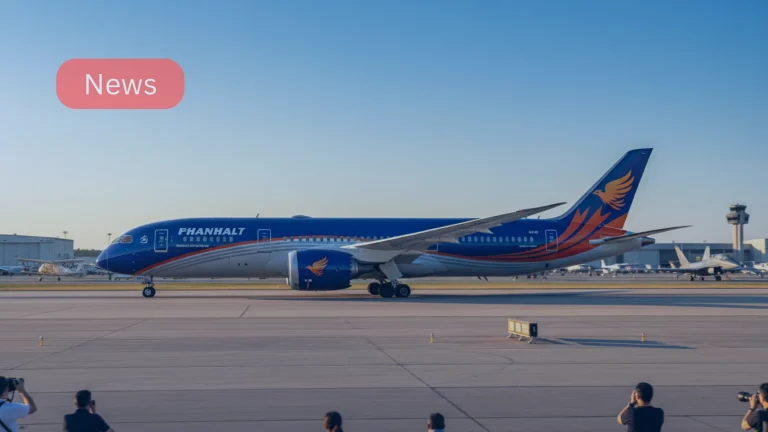
Ethiopian Airlines will temporarily suspend its Addis Ababa (ADD) to Atlanta (ATL) passenger service beginning early February 2026. The carrier, Africa’s largest airline and a major Star Alliance member, plans to operate its final three-times-weekly Atlanta flight on Feb. 1, with service ceasing Feb. 2.
This adjustment reflects softer-than-anticipated passenger demand and competitive pressure on transatlantic traffic flows, with the Atlanta route remaining suspended until at least summer 2026. Once paused, Ethiopian’s only U.S. passenger gateway will be Washington Dulles International Airport (IAD), strengthening focus on that corridor.
Route Changes: What’s Happening
- Who: Ethiopian Airlines, Africa’s largest flag carrier.
- What: Suspension of Addis Ababa–Atlanta passenger flights.
- Where: Addis Ababa Bole International Airport (ADD) ↔ Hartsfield-Jackson Atlanta International Airport (ATL).
- When: Final flight around Feb. 1–2, 2026; potential resumption June 2026 or later.
- Why: Weaker demand and competitive environment on transatlantic routes.
- How: Three weekly services operated by Boeing 787-8 Dreamliners via Rome Fiumicino.
Network Impact & Industry Context
U.S. Operations Post-Pause
After Atlanta’s suspension, Ethiopian will continue U.S. service solely through Washington Dulles (IAD), operating up to seven weekly flights via gateways like Rome and Lomé using Airbus A350 and Boeing 787 aircraft.
Transatlantic Strategy
Ethiopian’s U.S. expansion has been measured since adding Atlanta in May 2023, leveraging Star Alliance connections with United Airlines. With shifts in global travel patterns and increasing competition from Gulf and European carriers on long-haul sectors, adjusting long-haul capacity is a growing trend among global networks.
Background on Ethiopian’s U.S. Routes
Ethiopian Airlines previously expanded Addis Ababa-Atlanta services in 2023, gaining access to the world’s busiest airport by passenger volume and strengthening Star Alliance ties. Today, global carriers often reassess transatlantic routes in response to demand shifts, fuel pricing, and competitive dynamics, in line with broader industry trends.
Expert Insight
Aviation analysts note that temporary suspensions allow airlines to redeploy capacity where returns are stronger, especially on routes with more profitable yields or strategic alliance benefits, such as those serving key hubs like IAD. Route optimization is common in long-haul networks that rely heavily on connecting traffic.
What’s Next
- June 2026 Review: Ethiopian may restore Atlanta service for summer flying if demand improves.
- Network Strategy: Focus on strengthening the Washington Dulles gateway and other international sectors like Europe and Asia to balance global connectivity.
- Monitoring Industry Data: Schedules from providers such as Cirium will continue to indicate any shifts in U.S. flights.