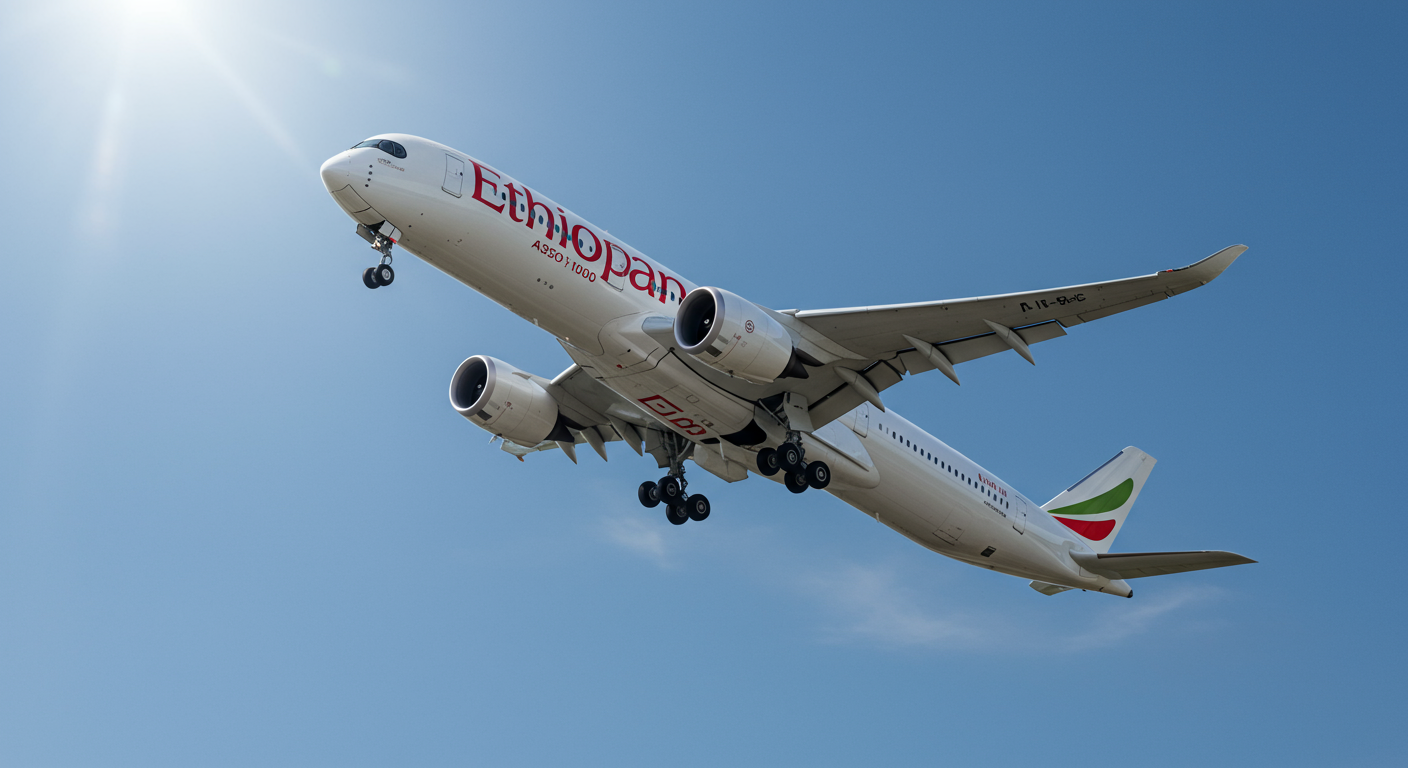

Ethiopian Airlines is accelerating its role as a regional aviation catalyst, expanding international connectivity into Addis Ababa as global carriers including Emirates, Qatar Airways, and Turkish Airlines deepen their presence in Ethiopia. The strategy reflects a broader push to position the country as an East African tourism and logistics hub, supported by airline network growth and major airport infrastructure investments.
According to a recent Travel And Tour World report, new and expanded flight services are contributing to rising inbound travel volumes. While the publication adopts a promotional tone, independent aviation data and government-backed infrastructure projects support the underlying trend of Ethiopia’s expanding aviation footprint.
Ethiopian Airlines’ Network Expansion Anchors Tourism Strategy
Ethiopian Airlines operates the largest airline network in Africa, serving more than 130 international and domestic destinations, according to the carrier’s official disclosures. The airline’s hub-and-spoke model at Addis Ababa Bole International Airport has made it a preferred transfer point between Africa, the Middle East, Europe, and Asia.
The carrier’s growth strategy aligns with Ethiopia’s tourism ambitions, as improved air access remains a key constraint for inbound travel across Africa.
Global Carriers Increase Addis Ababa Connectivity
Beyond Ethiopian Airlines, Middle Eastern carriers have expanded services to Addis Ababa, reinforcing the city’s hub status.
- Emirates operates daily widebody services linking Addis Ababa to Dubai
- Qatar Airways connects the Ethiopian capital to Doha with onward global access
- Turkish Airlines maintains one of its largest African networks through Istanbul
These routes significantly improve long-haul tourism access and business travel connectivity.
Infrastructure Investment Supports Aviation Growth
Ethiopia has launched construction of a new $12.5 billion international airport at Bishoftu, intended to become Africa’s largest aviation hub by capacity. The project is designed to relieve congestion at Bole International Airport and support long-term passenger growth.
Reuters reports the new airport will initially handle 60 million passengers annually, with phased expansion planned.
What the Data Says About Tourism Impact
According to the African Development Bank, air connectivity improvements are among the strongest drivers of tourism growth in developing economies. However, the bank cautions that aviation expansion must be matched by hotel capacity, visa reforms, and service quality to sustain growth.
The International Air Transport Association (IATA) similarly notes that African aviation contributes more than $75 billion annually to GDP, but structural challenges remain.
Industry Outlook: Opportunity With Execution Risk
Ethiopia’s aviation-led tourism strategy is credible, but execution will determine outcomes. Capacity growth alone does not guarantee sustained tourism gains. Airport efficiency, regulatory alignment, and airline profitability will shape long-term success.
For Ethiopian Airlines, the challenge is balancing network expansion with yield discipline as competition intensifies across Africa.
Sources
- Travel And Tour World: Ethiopian Airlines Joins Emirates, Qatar Airways, and Turkish Airlines to Spark Tourism Boom in Ethiopia
- Ethiopian Airlines Group: Official Press Releases and Network Information
- FlightGlobal: Airline Network and Route Data
- Reuters: Ethiopia begins construction of $12.5 billion airport, Africa’s largest
- International Air Transport Association (IATA): Africa Aviation: Economic & Connectivity Impact
- African Development Bank (AfDB): Tourism and Transport Infrastructure Development Reports