
The Federal Aviation Administration (FAA) has issued a safety mandate for FAA PW1100G modifications following several engine fires tied to Pratt & Whitney PW1100G geared turbofans on Airbus A320neo family aircraft. According to Jon Hemmerdinger for FlightGlobal, the airworthiness directive (AD) published on 12 January 2026 requires airlines to perform specific maintenance tasks to reduce the risk of fuel tube cracks and prevent further under-cowl fires.
The directive targets 586 PW1100G engines installed on U.S.-registered aircraft. Airlines must complete initial maintenance tasks within 30 days of the AD’s effective date (17 February 2026) and follow up with component replacements during scheduled engine shop visits.
FAA Action After Fan-Blade Failures and Fires
The FAA’s latest airworthiness directive was prompted by multiple reports of fan-blade fractures, three of which led to engine fires beneath the engine cowling. This risk arises when fan-blade failures destabilize adjoining components, potentially leading to fuel leaks.
The FAA highlighted that these incidents could lead to fuel tube cracking if not addressed. To prevent this, operators must:
- Remove the loop cushion clamp on the fuel tube assembly within 30 days of the effective date.
- Replace thermal management system clevis mounts with redesigned mounts during the next engine shop visit.
Pratt & Whitney had previously recommended these maintenance steps through service bulletins, and many operators had already begun work on fleet-wide compliance. The FAA directive formalizes these recommendations.
What Are PW1100G Engine Fires and Safety Risks?
The PW1100G engine, part of Pratt & Whitney’s geared turbofan (GTF) family, powers many Airbus A320neo and A321neo aircraft worldwide. While the GTF series delivers improved fuel efficiency and reduced emissions, earlier in its deployment it experienced challenges — including metallic component defects linked to powdered metal anomalies in high-pressure turbine disks and subsequent inspections.
Recent fire incidents stem from fan-blade fractures. When a blade breaks, it can exert abnormal stress on adjacent engine mounts and fuel system components. If these stresses result in a cracked fuel line, the risk of fire increases.
The required maintenance aims to reduce structural loads on the fuel tube and prevent leakage, while the redesigned mounts enhance long-term structural integrity.
Industry Impact of FAA PW1100G Modifications
Affecting U.S. Airlines
- The directive directly affects all airlines operating U.S.-registered A320neo aircraft with PW1100G engines.
- Completion of the interim loop cushion clamp removal must occur within 30 days after 17 February 2026.
- Full compliance with redesigned mounts is required at the next scheduled engine overhaul.
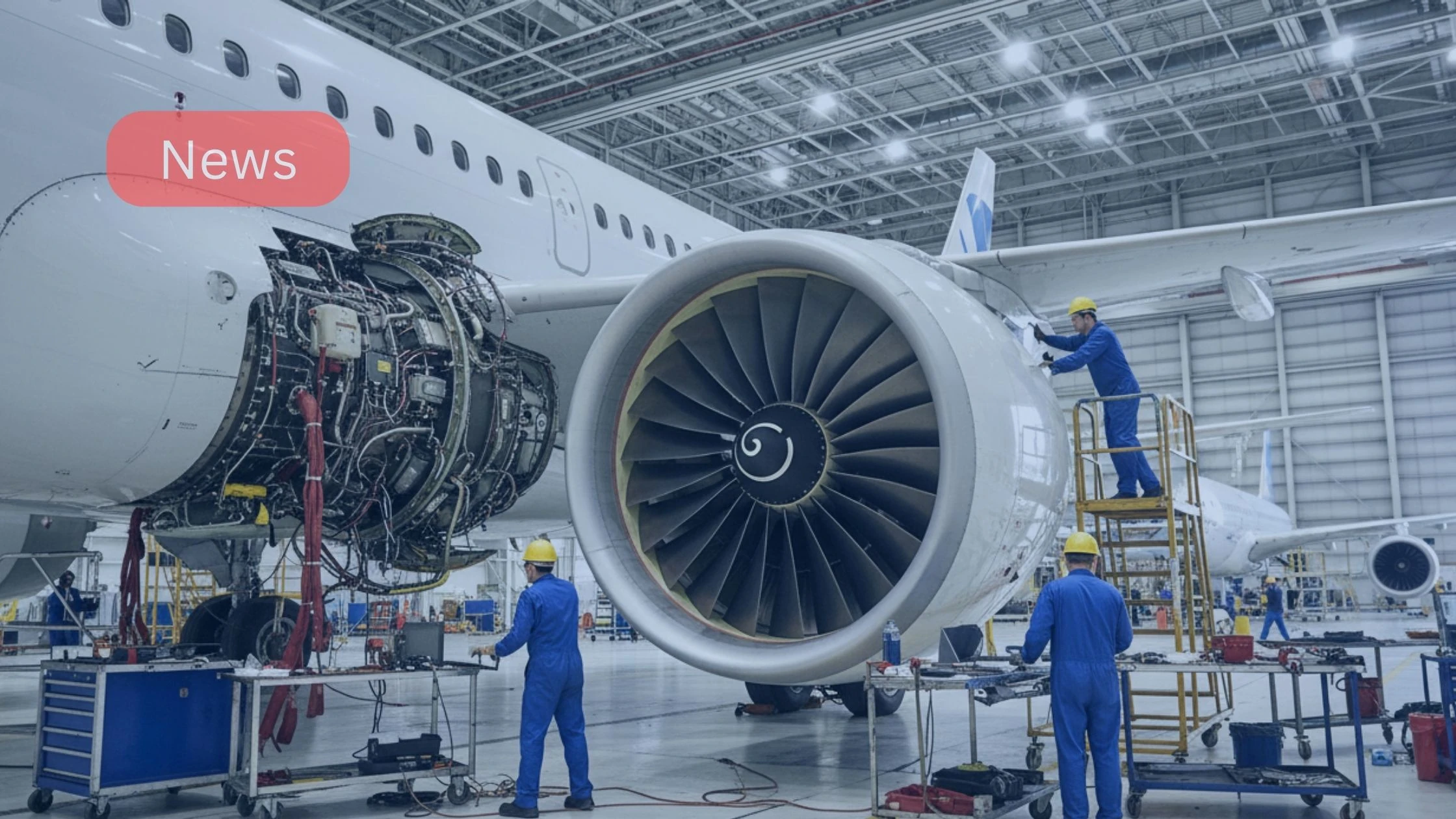
The FAA estimates about 125 work-hours per engine to complete the mandated maintenance program. This represents significant maintenance workload and potential aircraft downtime for operators.
Global Fleet Implications
While the FAA order applies specifically to U.S.-registered engines, many international operators are expected to align with the directive due to shared safety risk profiles and common components on PW1100G engines worldwide. This follows similar global engine safety trends related to GTF recalls and inspections, which have prompted fleet groundings and corrective actions internationally.
Background on Pratt & Whitney GTF Issues
The PW1100G is part of the Pratt & Whitney geared turbofan (GTF) family. Since entering service, the GTF family has experienced several engineering challenges, including inspections, service bulletins, and component replacements to address initial teething issues — particularly with powder-metal produced turbine disks.
For example, in 2023 and 2024, FAA directives required ultrasonic inspections of high-pressure turbine disks and related components due to material anomalies. These measures were precautionary, aimed at ensuring structural integrity and reducing the risk of uncontained engine failures.
What Comes Next for A320neo Operators
Maintenance Schedules & Safety Compliance
- U.S. carriers must meet the FAA’s compliance windows for clamp removal and mount replacement.
- International carriers are expected to review similar safety actions from their respective regulators (e.g., EASA).
Operational Planning
- Airlines with large A320neo fleets may need additional maintenance resources or shop visits to accommodate these modifications without disrupting schedules.
- Engine manufacturers are coordinating with airline operators to streamline compliance based on Pratt & Whitney service recommendations.
Sources
- FAA orders PW1100G modifications following engine fires, FlightGlobal, Jon Hemmerdinger (14 Jan 2026; primary source).
- FAA orders PW1100G low-pressure turbine blade replacement, FlightGlobal historical context.
- FAA mandates service actions for PW1100G engines, ePlaneAI summary.
- FAA regulation documentation on PW1100G inspections, U.S. Department of Transportation.
- PW1100G engine key dates and assessments, AeroMorning analysis of GTF fleet impacts.