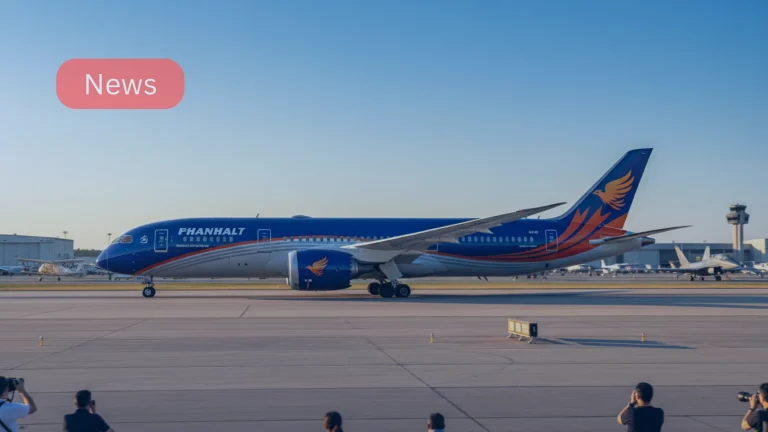
Travel And Tour World reports that Ibom Air regional aviation growth is reshaping Nigeria’s airline landscape and stimulating tourism and hospitality demand in Akwa Ibom State. The Nigerian government-backed carrier has rapidly expanded its network and modern fleet since starting operations in June 2019, improving air connectivity domestically and regionally.
Owned by the Akwa Ibom State Government, Ibom Air operates modern aircraft, including Airbus A220-300s and Bombardier CRJ900s, which support efficient, customer-focused service on routes connecting major Nigerian cities. This strategic expansion is part of Nigeria aviation news highlighting the rise of competitive, reliable domestic carriers.
State-Backed Growth in Nigeria Aviation
Founded to boost connectivity within Nigeria and across West Africa, Ibom Air has emerged as a key player in regional aviation.
- Launch: Commenced commercial flights in June 2019 with service from Uyo to Lagos.
- Fleet: A mix of Airbus A220-300s and Bombardier CRJ900s supports regional operations.
- Safety Standards: Achieved IATA Operational Safety Audit certification, affirming industry safety and quality compliance.
Ibom Air’s growth reflects a broader trend within Nigeria aviation news, where indigenous carriers are increasing capacity and offering alternatives to traditional hubs dominated by foreign carriers.
Boosting West Africa Air Connectivity
As Ibom Air increases its route network, flight options between Nigerian cities have diversified, reducing reliance on foreign carriers for regional travel.
- Direct services between Uyo, Lagos, Abuja, Port Harcourt, Calabar, and Enugu have simplified travel for passengers.
- A regional route to Accra, Ghana underscores the airline’s West African expansion strategy.
This expanded connectivity supports West Africa air connectivity by reducing travel times and connecting key economic centers with reliable schedules.
Economic and Tourism Impacts in Akwa Ibom
While the Travel And Tour World article highlights significant tourism benefits from Ibom Air’s expansion, independent economic data is not yet published. However:
- Increased flight frequency and service options plausibly enhance Akwa Ibom’s accessibility.
- Hotels, restaurants, and tourism businesses have reported higher interest from visitors aligned with improved air connections.
As the airline expands, local governments and private investors are improving tourism infrastructure to cater to rising visitor demand.
Challenges and Market Context
Despite these gains, Nigeria’s aviation sector faces ongoing industry challenges:
- Infrastructure limitations at regional airports.
- Regulatory hurdles tied to broader airline safety and access (e.g., FAA Category One status discussions). Independent sources note broader national aviation regulation influences market dynamics.
- Competitive pressures from established West African carriers.
Nevertheless, Ibom Air’s strategic growth and operational excellence position the airline as a competitive regional carrier in West African aviation.
What’s Next for Ibom Air
Looking forward, Ibom Air is expected to:
- Expand international services beyond West Africa, potentially linking to Central Africa.
- Leverage its fleet of fuel-efficient aircraft to explore cost-effective routes.
- Enhance partnerships within IATA frameworks for route and safety expansion.
Sources Used
- Ibom Air’s Soaring Success: How Nigeria’s State-Backed Airline is Transforming Regional Aviation and Igniting Tourism & Hospitality Growth in Akwa Ibom! Travel And Tour World (Jan 12, 2026).
- Ibom Air Receives IOSA Certification, Independent.ng & Western Post.
- Ibom Air Expansion & Fleet Growth, Brand Icon Image report.
- Ibom Air | Destinali airline overview.