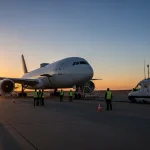
India has become one of the world’s fastest-growing aviation markets, but transforming that demand into a viable domestic aircraft manufacturing industry remains a complex challenge. According to a BBC News analysis published in January 2026, India’s aviation boom has reignited debate over whether the country can eventually build its own commercial airliners rather than relying almost entirely on Airbus and Boeing.
The question comes at a time when Indian airlines are ordering aircraft at historic scale, airports are expanding rapidly, and policymakers are pushing “Make in India” industrial goals deeper into aerospace. Yet experts cited by the BBC caution that aircraft manufacturing is among the most capital-intensive and technically demanding industries in the world, with high regulatory, financial, and certification barriers.
The BBC report draws attention to a central tension: India’s market scale is unquestionable, but translating consumption power into manufacturing capability is far from guaranteed.
A market growing faster than manufacturing capability
India’s aviation growth trajectory is well documented. The International Air Transport Association (IATA) has consistently ranked India among the world’s largest and fastest-growing domestic aviation markets, driven by population growth, rising incomes, and expanding low-cost carrier networks.
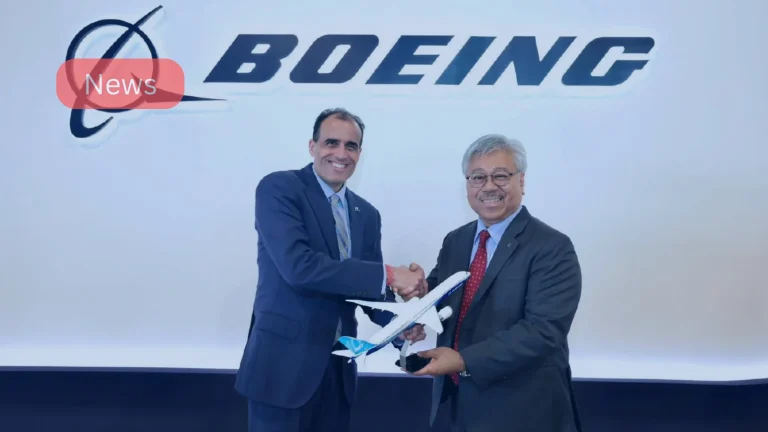
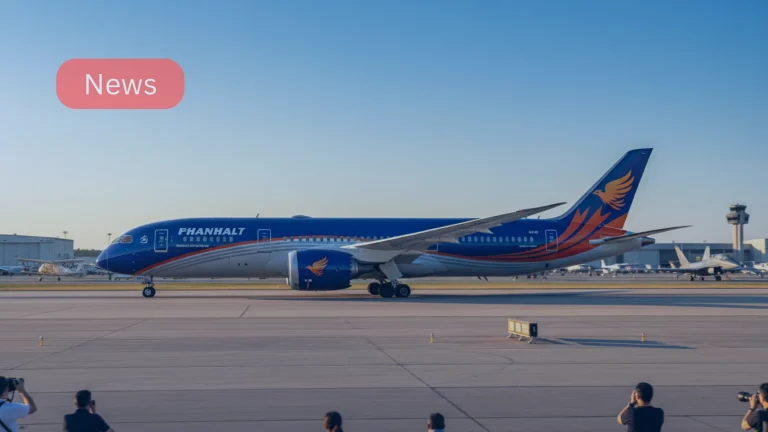
By the mid-2020s, Indian airlines had placed some of the largest aircraft orders in aviation history, including wide-body and narrow-body jets for both domestic and international expansion. These orders, however, overwhelmingly favor established manufacturers Airbus and Boeing.
This reliance underscores a structural reality highlighted in the BBC article: aircraft manufacturing success is built not just on demand, but on decades of accumulated engineering expertise, supplier ecosystems, and regulatory trust.
The Russia-India SJ-100 project: first step or symbolic move?
One concrete manufacturing initiative referenced in the BBC analysis is India’s agreement to locally produce the Russian-designed Sukhoi Superjet 100 (SJ-100) through Hindustan Aeronautics Limited (HAL). The project has been publicly confirmed by Indian and Russian officials and reported previously by Reuters.
While the initiative signals intent, industry analysts remain cautious. The SJ-100 itself has faced operational, supply-chain, and sanctions-related challenges globally. Moreover, licensed assembly does not equate to indigenous aircraft design, certification leadership, or export competitiveness.
As aviation manufacturing experts frequently note, final assembly represents only a fraction of an aircraft’s value. Engines, avionics, flight control systems, certification processes, and global support networks determine whether a program can succeed commercially.
Why Boeing and Airbus remain dominant
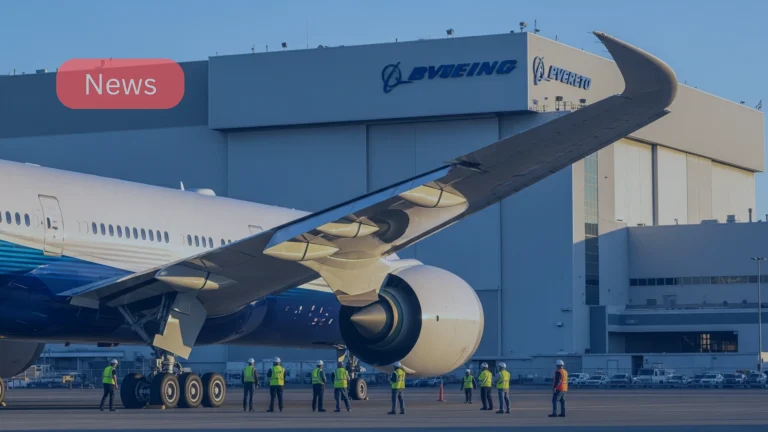
The BBC article emphasizes that Airbus and Boeing’s dominance is not accidental. Both manufacturers benefit from:
- Decades of accumulated safety certification with regulators such as FAA and EASA
- Global supplier ecosystems spanning thousands of specialized firms
- Established aftermarket support, leasing acceptance, and financing structures
- Proven aircraft families with continuous incremental upgrades
ICAO manufacturing and certification frameworks reinforce this advantage. Any new entrant must meet identical safety and reliability thresholds, regardless of national ambition or market size.
For airlines, fleet commonality, residual value certainty, and global support often outweigh national industrial considerations.
India’s aerospace strength lies elsewhere for now
While commercial aircraft manufacturing remains elusive, India has achieved notable success in other aerospace domains. These include:
- Military aircraft and helicopter production
- Space launch systems and satellite manufacturing
- Maintenance, repair, and overhaul (MRO) services
- Engineering, design, and aerospace software development
IATA and ICAO industry assessments frequently point out that these segments offer more achievable returns and lower entry barriers than clean-sheet commercial aircraft programs.
Several aviation economists cited indirectly in the BBC report suggest that India’s most realistic near-term path lies in becoming a major aerospace manufacturing partner rather than a full aircraft OEM.
Regulatory and certification hurdles remain decisive
Commercial aircraft programs face stringent global certification requirements. ICAO standards, coupled with national authority oversight, demand years of testing, validation, and operational proof.
Even established manufacturers have struggled with certification delays in recent years. For a new entrant, this process requires not only technical capability but sustained political, financial, and institutional stability.
The BBC analysis notes that without guaranteed long-term funding and international regulatory acceptance, domestic aircraft projects risk becoming costly national prestige exercises rather than commercially viable programs.
Industry Outlook: ambition tempered by realism
India’s aviation future remains bright, but manufacturing leadership will not arrive quickly. The BBC’s reporting, when viewed alongside IATA market data and ICAO certification realities, supports a cautious conclusion:
India’s aircraft manufacturing ambition is strategically logical, but operationally difficult.
In the near term, India is likely to deepen its role as a critical aviation market, supplier, and engineering hub. Full-scale commercial aircraft manufacturing, however, will require decades of sustained investment, regulatory credibility, and global market trust.
For now, Airbus and Boeing remain firmly in control of the skies above India, even as the country reshapes the demand beneath them.
Sources
- Boeing forecast: Indian & South Asian airlines expected to add ~2,835 jets over 20 years.
- Business standard: Airbus & Asia-Pacific aircraft demand forecast highlights India’s growth role.
- The Times of India: India’s carriers planning to induct ~100 aircraft annually for a decade+.
- NDTV Profit: Civil carriers planning up to 1,700 aircraft orders with fleet growth targets.