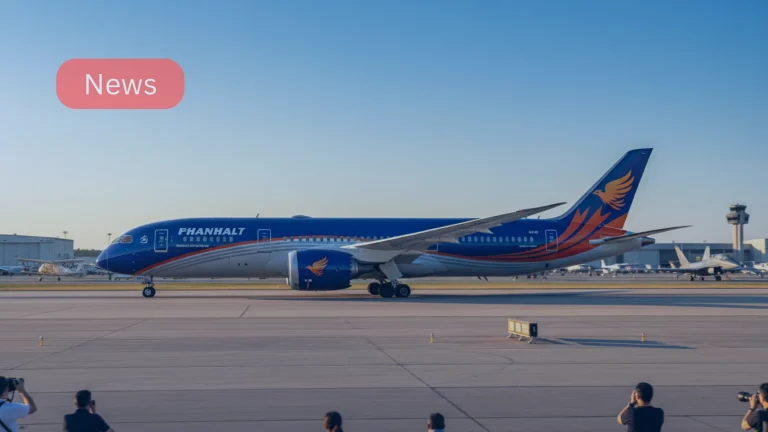
Kenya Airways is cutting salaries for senior executives by 50 percent this December as the East African flag carrier grapples with a deepening cash crunch triggered by falling revenues and capacity constraints.
Internal communications seen by Business Daily Africa show that top-earning employees will receive only half of their normal pay this month, with the remainder disbursed in early January 2026 as part of cost-management measures.
A Kenya Airways spokesperson confirmed the move and said the airline is still navigating a “challenging period” while striving for stability, though lower pay only affects senior staff, not the broader workforce.
Cash Crunch and Operational Strain
Revenue Declines and Losses
Kenya Airways’ cash flow issues follow a dramatic reversal into losses earlier in 2025. Independent reporting shows the airline recorded a net loss of approximately KSh12.1 billion in the first half of 2025, a significant downturn from profit in 2024.
The airline’s revenues fell by nearly 19 percent, linked directly to grounded aircraft and reduced operational capacity imposed by global supply chain issues impacting maintenance and parts availability.
Capacity Constraints
Kenya Airways has faced aircraft grounding due to spare parts shortages, affecting at least a third of its wide-body fleet at various times, as reported by multiple independent news outlets.
This reduction in fleet utilization has directly suppressed:
- passenger volumes
- cargo capacity
- overall revenue generation
Cash Flow Strategy: Salary Adjustments and Cost Controls
The partial pay decision is one of several measures Kenya Airways is using to navigate financial pressures. Earlier in 2025, the airline suspended staff bonuses due to cash flow issues linked with flight disruptions and revenue shortfall.
Cost containment has also included fleet management adjustments and labor expense reviews as KQ seeks to balance liquidity with operational continuity.
Industry and Regional Context
Kenya Airways’ struggles reflect broader post-pandemic aviation challenges for full-service carriers, particularly in emerging markets where:
- global spare parts shortages persist
- currency and financing pressures constrain growth
- competition from low-cost and Gulf carriers intensifies
In contrast, some regional peers such as Ethiopian Airlines have reported stronger financial performance and fleet expansion plans over the same period.
What This Means for Travelers and the Airline
While salary changes affect internal morale and leadership incentives, passengers may indirectly feel the impact through:
- Continued flight delays or cancellations
- Limited network capacity
- Potential fare adjustments
Kenya Airways’ management continues to emphasize efforts to return to profitability, including restructuring operations and preserving cash reserves.
Sources
- Business Daily Africa, Kenya Airways executives get half pay as cash crunch deepens (Dec 25, 2025)
- The Standard, Kenya Airways slides back into losses with Sh12.15bn hit (Aug 2025)
- People Daily, Kenya Airways reports KSh12.1B loss in first half of 2025
- Bizna Kenya, KQ top employees get half salaries as cash flow problems persist
- Business Daily, Kenya Airways suspends bonus as staff trigger flight disruptions