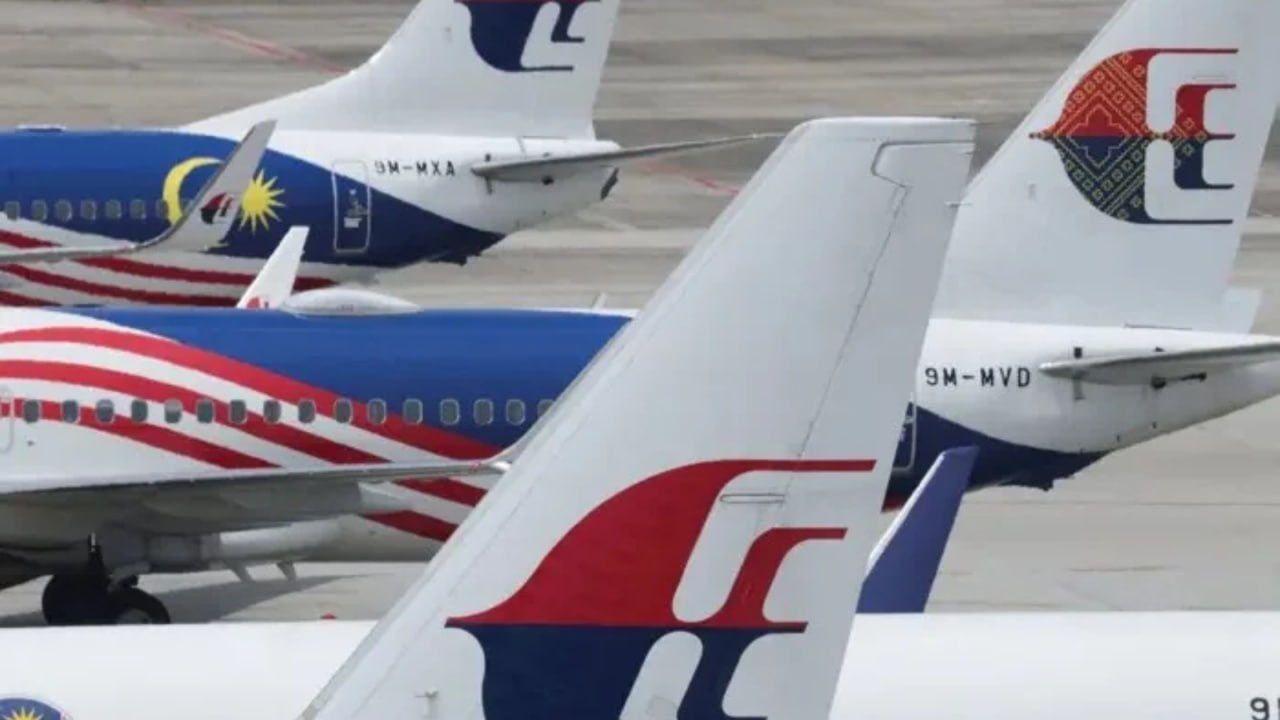

Malaysia Aviation Group (MAG), parent company of Malaysia Airlines, plans to announce its Malaysia widebody fleet renewal and long-range aircraft replacement plan in December 2026. Group President and Chief Executive Officer Captain Nasaruddin A. Bakar shared the timeline on the sidelines of the Association of Asia Pacific Airlines (AAPA) 70th Assembly of Presidents in Kuala Lumpur.
According to a November 13, 2026 report by The Star and Bernama on MAG’s widebody replacement plan, aircraft delivery delays caused by manufacturer supply chain bottlenecks continue to complicate airline schedule planning. Because carriers typically sell tickets three to six months ahead of departure, late handovers can force airlines to shift passengers onto alternative aircraft or trim capacity.
Even as MAG prepares its long-haul fleet decision, top-line revenue rose about 14% year-on-year between 2025 and 2026. However, surging fuel costs pushed operating expenses up roughly 90% and compressed group operating margins to slightly below 1%, compared with MAG’s usual 2% to 3% range.
Navigating Supply Chain Delays and Fuel Costs in Commercial Aviation
Commercial aviation across the Asia-Pacific faces tight operational conditions as airlines balance strong travel demand against hardware constraints. In its November 12, 2026 outlook, the AAPA reported that Asia-Pacific airlines achieved a record 83% average passenger load factor in the first nine months of 2026, yet continued to wrestle with aircraft delivery delays, maintenance bottlenecks, and high fuel and Sustainable Aviation Fuel (SAF) costs.
For MAG, high fuel prices remain a central drag on profitability. Nasaruddin noted that elevated fuel costs have sharply squeezed margins in 2026, and management expects fuel prices to stay high throughout 2027. Ground handling provides steady diversification, recording roughly 4% compound annual growth (CAGR) as more carriers serve Malaysia.
- Advance ticket sales: Airlines typically market seats three to six months in advance, leaving little slack when deliveries slip.
- Passenger rebooking: Late aircraft handovers can require transferring travelers onto other flights or aircraft types.
- Earnings sensitivity: Management indicates next year’s earnings impact should stay limited unless MAG faces major capacity cuts.
Long-Haul Fleet Strategy and Regulatory Context
International widebody operations rely on clear bilateral air service agreements, slot allocations, and airworthiness standards overseen by the International Civil Aviation Organization (ICAO) and national civil aviation authorities. Industry bodies such as the International Air Transport Association (IATA) and AAPA track how supply chain bottlenecks and fuel volatility affect airline cost structures and capacity growth.
Within MAG’s broader fleet strategy, airlines evaluate range, seat economics, cabin consistency, and delivery availability when replacing or expanding long-haul twin-aisle jets. While MAG has already committed to Airbus A330neo aircraft—including 20 additional A330-900s ordered in July 2025 per Airbus—the upcoming December announcement focuses specifically on its long-range widebody replacement roadmap.
- Fleet modernization: Aligns long-haul aircraft capability with long-term network growth targets.
- Cost discipline: Balances capital commitments against tight operating margins and high fuel expenses.
- Ancillary growth: Supports group resilience through non-ticket units such as ground handling.
What’s Next for MAG and the Industry
Stakeholders will watch MAG’s December announcement closely for clarity on aircraft selection, fleet timing, and how the group plans to phase in replacement widebodies. Near-term performance will depend on whether aircraft manufacturers stabilize delivery schedules and whether jet fuel prices ease or remain elevated into 2027. For passengers and industry observers, the coming update will signal how MAG intends to protect long-haul reliability amid persistent commercial aviation headwinds.