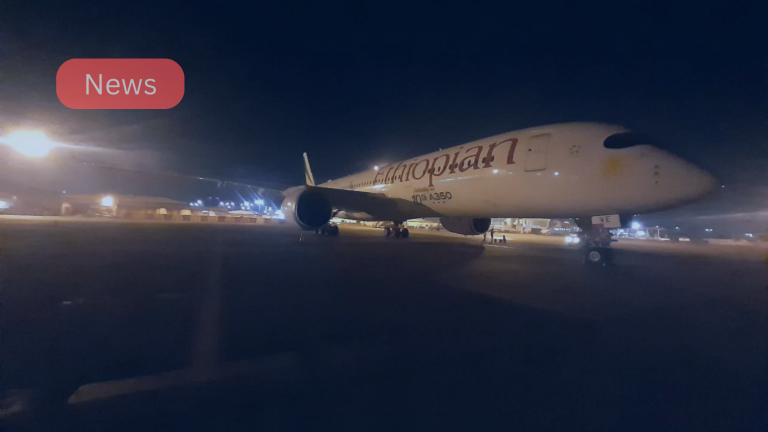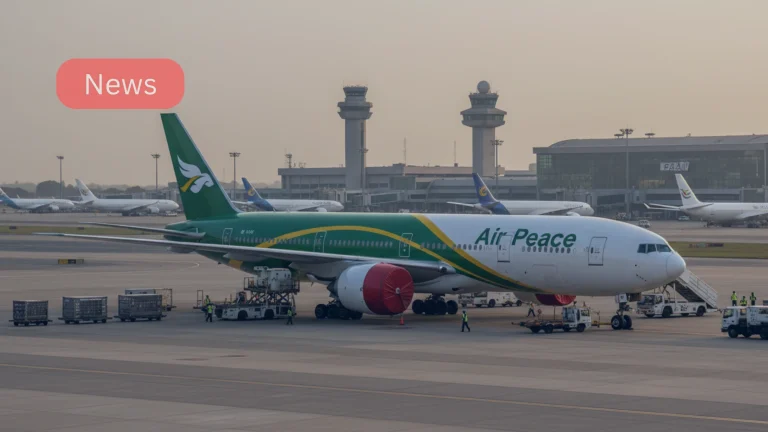

Aircraft owners urged the federal government at a Lagos transport summit to create a national leasing programme and offer cheaper credit, proposals industry leaders say are needed to make Nigerian carriers competitive.
At a transport summit in Lagos on 29 October 2025, Alex Nwuba, president of the Aircraft Owners and Pilots Association of Nigeria (AOPAN), urged the federal government to create cheap, government-backed finance for airlines, including a proposed national aircraft leasing company, to reduce the sector’s reliance on expensive commercial borrowing. Mr. Nwuba told delegates the government could acquire as many as 500 aircraft and make them available to local airlines at 4% interest, a dramatic contrast to the “28–34%” borrowing rates he said many carriers face.
The call, carried by the News Agency of Nigeria and republished by Premium Times, framed the proposal as a path to preserve domestic operators’ competitiveness, lower fares and strengthen the country’s aviation ecosystem. Industry sources and subsequent coverage by several national outlets echoed the same figures and advocacy.
Why Nigeria aircraft leasing proposal could reshape airline economics
- High financing costs squeeze margins. Operators say unaffordable borrowing raises ticket prices and erodes recoveries on thin domestic margins. Lower-cost, long-term finance could free cash for fleet renewal and route expansion. (Claim reported by AOPAN.)
- Leasing can unlock fleet growth. A national leasing vehicle could offer operating leases or sale-and-leaseback arrangements that preserve capital for airlines and support rapid fleet scaling. Past Nigerian government discussions and industry memoranda have explored similar models.
- Strategic benefits. Local leasing capacity can reduce dependence on foreign lessors, help keep aircraft registered/operated locally, and support local MRO and training ecosystems, but requires governance safeguards to be bankable.
Funding mechanics & challenges
- AOPAN proposal: Government to purchase aircraft and lend to carriers at ~4% interest; creation of a state-backed leasing company.
- Immediate challenge: Finding budgetary room or mobilising DFIs/private partners to fund an initial aircraft buy-programme without creating fiscal stress.
- Longer-term requirement: Transparent procurement, regulatory clarity (Cape Town Convention ratification/compliance), credit enhancement, and robust asset management to attract lessors/investors.
Context & precedent
Nigeria has previously explored state-supported leasing models. Government interest in domestic leasing surfaced in earlier reports and policy discussions, and partnerships with OEMs and DFIs (e.g., Nigeria’s 2024 MOU with Boeing on maintenance and technical support) show institutional appetite for strengthening local capability. Nevertheless, execution has been the sticking point in many markets, success depends on credible, bankable structures that can mobilise private capital.
Expert caveats & sector reaction
Industry voices broadly welcome lower finance costs but caution that scale, governance and transparency are essential. State purchases of hundreds of aircraft raise questions about procurement discipline and market distortions. Analysts say a phased approach (pilot leasing windows, credit guarantees, DFIs co-financing) and alignment with international leasing frameworks would make the plan more viable. (The Premium Times piece recorded AOPAN’s advocacy; the caveats reflect cross-sector commentary and past international experience.)
What’s next
- Short term: Government reaction, ministry statements or budgetary moves; will determine whether the proposal remains industry advocacy or becomes formal policy. Watch for statements from the Ministry of Aviation and the Minister Festus Keyamo.
- Medium term: A bankable pilot programme (e.g., DFIs providing guarantee to a smaller fleet tranche) could test the model’s feasibility and attract private lessors.
The Premium Times article accurately captures industry calls for a national aircraft leasing solution and cheaper credit. Those calls align with long-running policy discussions in Nigeria but remain stakeholder proposals until the government or multilateral financiers formalise funding instruments. Practical implementation will hinge on project preparation, governance and the ability to blend public and private finance.
Sources
- Premium Times, Nigerian aircraft owners seek govt intervention in plane ownership (Agency Report), 29 Oct 2025.
- TheCable, Aircraft owners seek cheaper funding options to keep domestic operators competitive (reporting same quotes), Oct 2025.
- DailyTimes, Aircraft owners advocate cheaper financing to strengthen Nigerian aviation sector, Oct 2025.
- Leadership, StallionTimes, The Nation, contemporaneous local reporting repeating AOPAN quotes.
- Earlier Reuters coverage (background): Nigeria seeks private investors for aircraft leasing venture (Apr 2019), demonstrates precedent for state interest in leasing vehicles.
- Reuters, Nigeria signs aircraft maintenance and safety deal with Boeing (Aug 2024), context on government OEM/DFI cooperation and efforts to strengthen leasing/maintenance environment.
- Ch-aviation and sector outlets on airline fleet, stranded aircraft and domestic leasing debates (background).