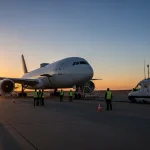
ANKARA — Turkey is ramping up global maintenance, repair, and overhaul (MRO) services through its state-backed ASFAT, with aims to rival Russia’s influence in military aviation across Africa and the Middle East, according to Defense Express (June 10, 2025).
ASFAT CEO Mustafa Ilbas, speaking to Breaking Defense on June 9, confirmed significant investments in expanding MRO capacity, including partnerships with Airbus to service A-400M transports. ASFAT is reportedly negotiating to maintain Kazakhstan’s fleet of A-400Ms while initiating joint ventures in Qatar and scouting contracts to overhaul over 100 C-130 Hercules jets from nations like Nigeria and Niger.
This strategic push positions Turkey as a competitive alternative for regional defense logistics. ASFAT emphasizes its modularity through widespread component localization—80% of parts are now made domestically across 2,000-plus Turkish firms—making MRO quicker and less reliant on foreign supply chains. breakingdefense.com.
Defense analysts suggest this expansion may undermine Russia’s long-standing role as MRO provider to former Soviet-aligned nations. Historically, Moscow has serviced its own-origin fleets to maintain defense ties. Turkey’s pan-regional footprint, backed by partnerships and emerging MRO infrastructure, presents a new competitor in regional influence, but clear evidence documenting Russia’s displacement is not yet visible.
Turkey’s accumulation of defense clients aligns with a broader policy of extending its industrial reach. ASFAT’s significant profit ambitions, potentially fivefold growth—are supported by these global MRO initiatives, cementing Ankara’s growing role as a center for military aviation maintenance and geopolitical leverage.