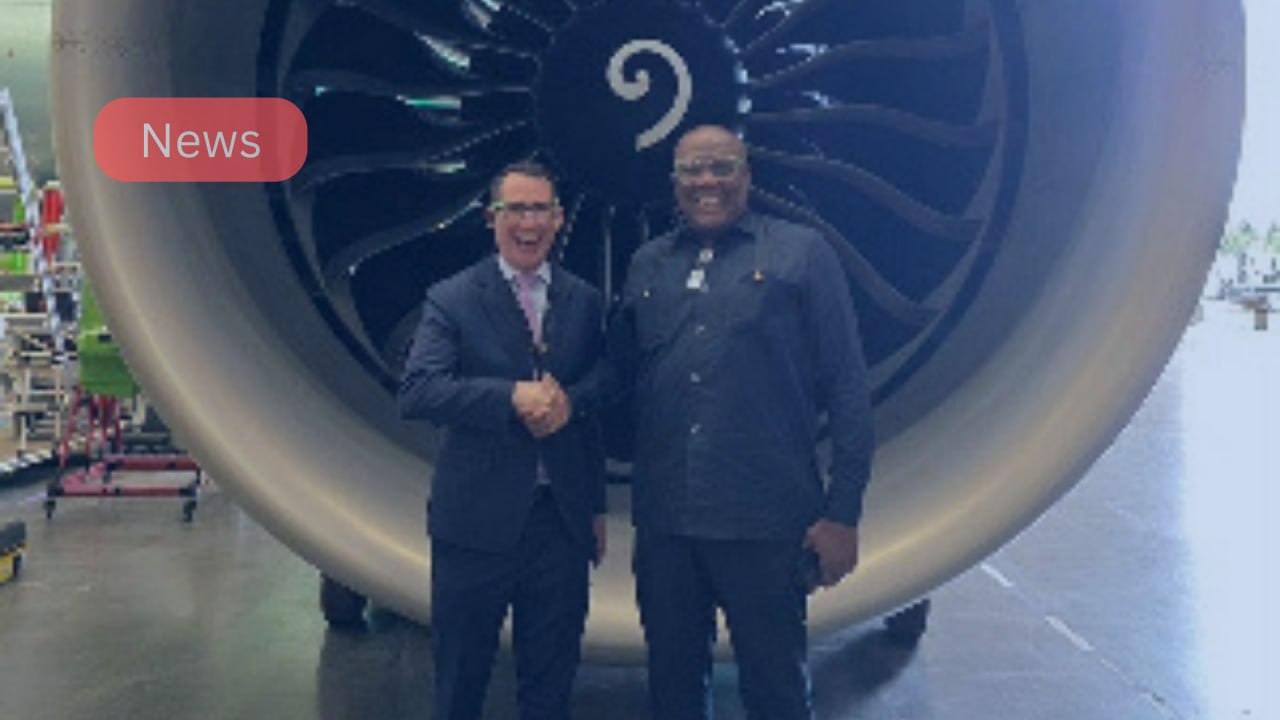

Ghana is exploring a strategic partnership with Boeing to revive its long-discussed national airline, according to reporting by GhanaWeb. The initiative reflects renewed government efforts to re-enter the competitive African aviation market.
According to the GhanaWeb report, government officials confirmed ongoing discussions with Boeing focused on technical and operational support. The Ghana Boeing partnership could play a central role in shaping fleet strategy, infrastructure planning, and airline launch execution.
While no formal agreement has been announced, the move signals Ghana’s intent to establish a sustainable national carrier after several failed attempts over the past two decades.
Background: Ghana’s Long Road to a National Carrier
Ghana has struggled to maintain a national airline since the collapse of Ghana Airways in 2004 and the later failure of Ghana International Airlines.
Previous revival efforts included:
- Proposed partnerships with African and international carriers
- Negotiations involving Ethiopian Airlines (which did not materialize)
- Government-led restructuring initiatives
According to industry data from IATA, African airlines account for less than 3% of global air traffic. This highlights both:
- The growth opportunity
- The structural challenges facing new entrants
What the Ghana Boeing Partnership Could Involve
Although details remain limited, Boeing typically supports emerging airline projects in several key areas:
Fleet Planning and Aircraft Selection
Boeing may advise on:
- Aircraft types (e.g., narrow-body vs wide-body)
- Route optimization strategies
- Fuel efficiency considerations
Operational and Technical Expertise
Support may include:
- Maintenance frameworks
- Safety compliance aligned with ICAO standards
- Pilot and crew training systems
Strategic Advisory
Boeing often helps governments:
- Structure airline business models
- Assess financial viability
- Develop phased growth strategies
Challenges Facing Ghana’s Airline Revival
Despite optimism, several structural risks remain:
Financial Sustainability
Launching a national airline requires:
- Significant capital investment
- Long-term subsidy tolerance
- Strong revenue management systems
Market Competition
Ghana will compete with:
- Ethiopian Airlines (Africa’s largest carrier)
- Regional operators expanding aggressively
Regulatory Compliance
Any new airline must secure:
- Air Operator Certificate (AOC)
- Safety certifications under ICAO frameworks
- Bilateral air service agreements
Industry Context: African Aviation Growth
The Ghana Boeing partnership aligns with broader trends in African aviation:
- Rising passenger demand driven by urbanization
- Increased intra-African trade under AfCFTA
- Infrastructure investments across major hubs
According to the African Development Bank:
- Air transport demand in Africa is projected to grow at ~5% annually
However, challenges persist:
- High operating costs
- Limited connectivity
- Regulatory fragmentation
What’s Next for the Ghana Boeing Partnership?
The next phase will determine whether discussions translate into tangible progress. Key indicators to watch include:
- Formal agreement or Memorandum of Understanding (MoU)
- Announcement of fleet orders
- Appointment of strategic or operational partners
- Regulatory filings and certification progress
If structured effectively, the Ghana Boeing partnership could position the country as a regional aviation hub in West Africa. However, success will depend on disciplined execution, financial transparency, and adherence to global aviation standards.
Sources
- GhanaWeb: Ghana explores partnership with Boeing to revive national airline
- BBC: Ghana plans new national airline after past failures
- FlightGlobal: African airline revival efforts face funding and sustainability challenges







