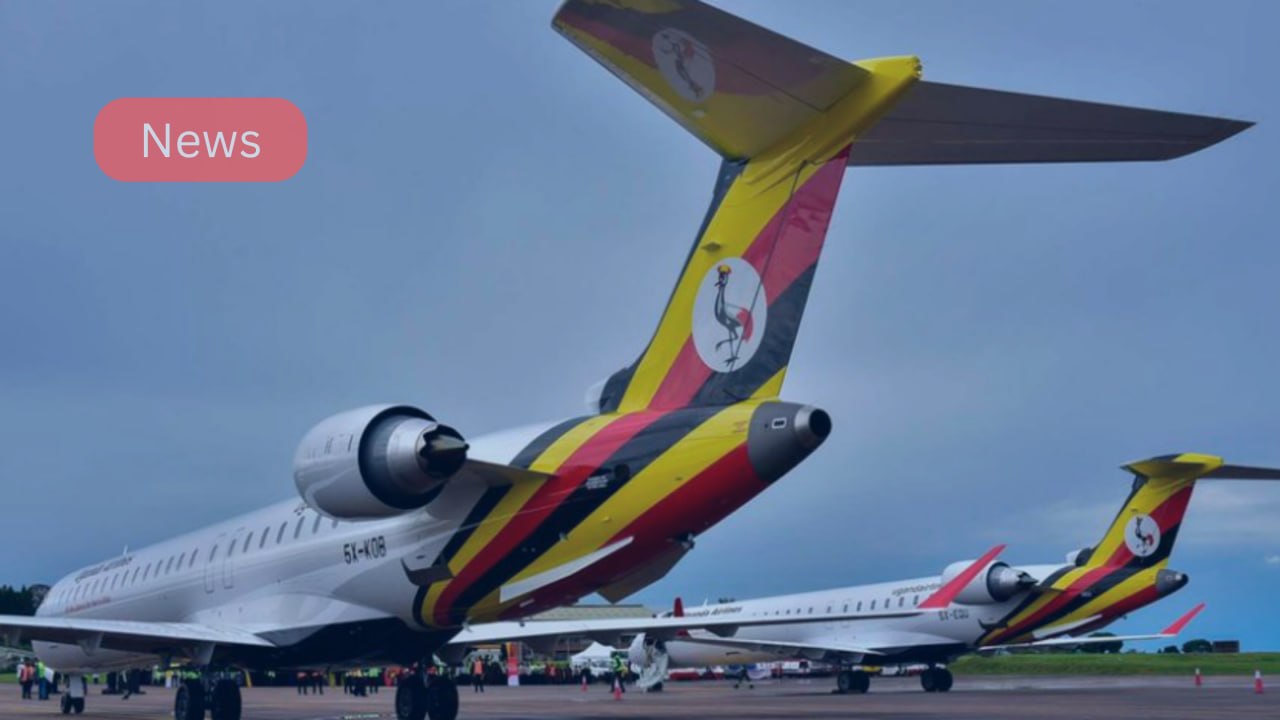

Uganda Airlines is facing growing operational pressure after engine-related maintenance issues disrupted its Airbus A330neo fleet and placed new interim chief executive Girma Wake under immediate scrutiny.
According to reporting by The EastAfrican, the Uganda flag carrier has struggled to maintain long-haul schedules after both of its Airbus A330-800neo aircraft experienced operational interruptions tied to engine maintenance and spare-part availability.
The developments come at a sensitive moment for the airline. Uganda Airlines has been expanding international routes while attempting to stabilize finances and improve operational efficiency.
Uganda Airlines Engine Trouble Affects International Routes
Uganda Airlines operates only two Airbus A330-800neo aircraft for long-haul services. Both aircraft use Rolls-Royce Trent 7000 engines.
When one aircraft becomes unavailable, the airline’s network flexibility drops sharply. When both aircraft face maintenance issues simultaneously, major international routes become vulnerable.
Industry reports confirmed disruptions affecting:
- London Gatwick services
- Mumbai flights
- Dubai operations
The airline reportedly turned to short-term wet-leasing arrangements to preserve critical routes and maintain airport slot allocations.
Interim CEO Girma Wake Faces Immediate Operational Challenges
The operational crisis emerged shortly after Uganda appointed aviation veteran Girma Wake as interim CEO.
Wake previously led Ethiopian Airlines during a period of major continental expansion. His appointment signaled Uganda’s attempt to strengthen management oversight and operational discipline.
However, analysts note that Uganda Airlines faces structural challenges beyond executive leadership.
Key operational pressures include:
- a limited fleet size
- dependence on two widebody aircraft
- maintenance scheduling complexity
- spare engine availability
- rising wet-lease costs
Unlike larger airlines, Uganda Airlines has little redundancy in its long-haul fleet.
Rolls-Royce Trent 7000 and Airbus A330neo Context
The Airbus A330-800neo is powered exclusively by the Rolls-Royce Trent 7000 engine. Rolls-Royce previously announced maintenance support agreements with Uganda Airlines under its TotalCare program.
The Trent 7000 entered commercial service in 2018 and was designed to improve:
- fuel efficiency
- emissions performance
- operating economics
Although the engine family has not faced a crisis comparable to Pratt & Whitney’s GTF inspections, airlines globally continue to experience maintenance bottlenecks and spare-engine shortages across several engine programs.
Industry-wide supply chain disruptions have extended repair timelines and increased aircraft-on-ground incidents.
East African Aviation Faces Growing Competition
Uganda Airlines operates in an increasingly competitive regional aviation market dominated by:
- Ethiopian Airlines
- Kenya Airways
- RwandAir
Reliable long-haul operations are essential for:
- tourism growth
- cargo connectivity
- regional trade integration
- passenger confidence
According to ICAO and IATA guidance, fleet reliability and maintenance planning remain central to airline operational resilience, especially for carriers operating small fleets.
Industry Outlook
Uganda Airlines’ immediate priority will likely focus on restoring fleet reliability while limiting operational disruption costs.
Key questions facing the airline include:
- whether additional aircraft leasing will continue,
- how quickly maintenance backlogs can be resolved,
- and whether long-term fleet expansion becomes financially viable.
The return of grounded aircraft to service in recent weeks suggests some stabilization may already be underway.
However, aviation analysts say the airline’s long-term success will depend on:
- stronger operational redundancy,
- disciplined fleet planning,
- and sustained management reform.
Major Sources
- The EastAfrican –Uganda Airlines engine trouble puts its interim CEO to the test
- Rolls-Royce – Uganda Airlines A330neo engine agreement
- ch-aviation – Uganda Airlines hunts short-term ACMI while A330s are AOG
- The Observer Uganda – Uganda Airlines’ Airbus returns to London after grounding







