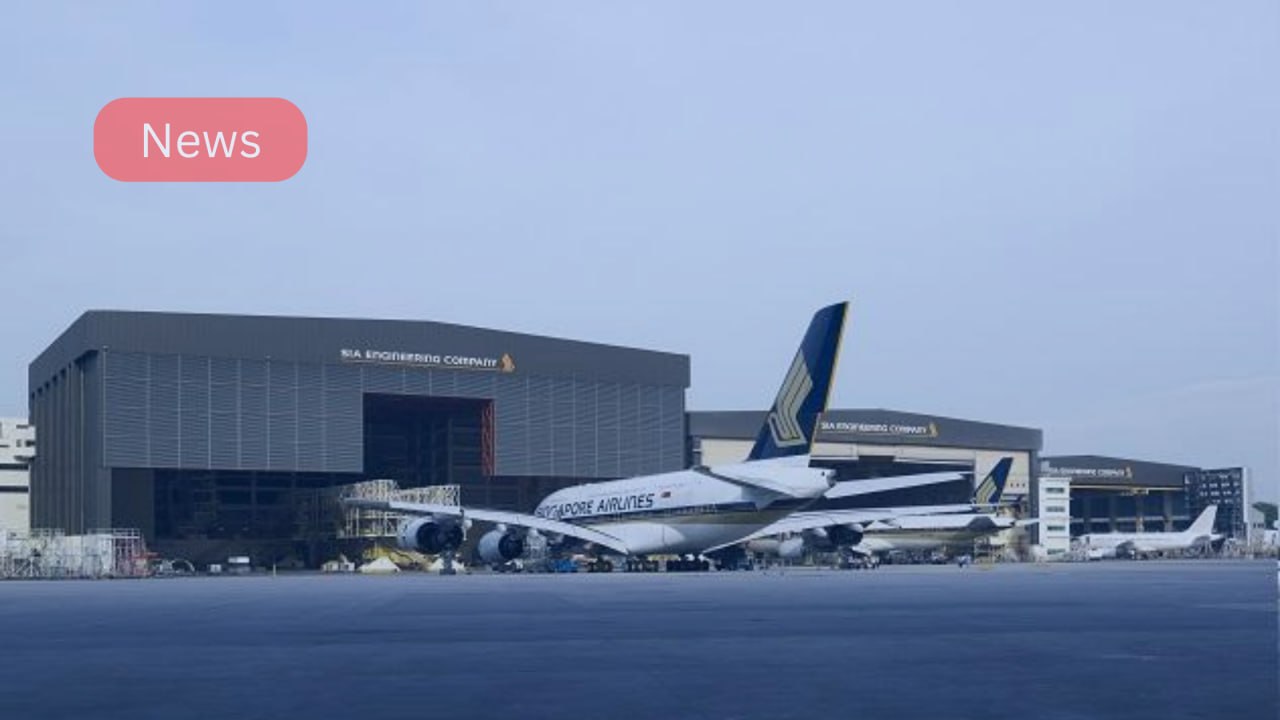

Aviation Week Network reporter Chen Chuanren reported that SIA Engineering Company posted its highest profit since the COVID-19 recovery period as demand for aircraft maintenance services surged globally.
The Singapore-based maintenance, repair and overhaul (MRO) provider reported a 21% year-over-year increase in net profit to S$168.9 million for the financial year ending March 31, 2026. The company attributed the growth to stronger aircraft movements, increased engine overhaul activity, and expansion across Asia-Pacific markets.
The report comes as airlines worldwide continue operating older fleets longer due to aircraft delivery delays and persistent supply-chain disruptions affecting manufacturers and engine suppliers.
Why Global MRO Demand Is Rising
The global aircraft maintenance market has expanded sharply since international travel demand recovered after the pandemic.
Several factors are driving the increase in aviation aftermarket services:
- Airlines are extending aircraft service life.
- Engine maintenance backlogs remain elevated.
- Spare-part shortages continue affecting fleets.
- New aircraft deliveries face production delays.
- International passenger traffic continues recovering.
Industry analysts and aerospace firms have repeatedly highlighted rising engine maintenance demand, particularly for next-generation engines.
According to the Aviation Week article, SIAEC handled 162,608 aircraft during the fiscal year, while heavy maintenance checks increased from 75 to 78 aircraft.
Singapore Aviation Industry Benefits from MRO Growth
Singapore Changi Airport remains one of Asia’s largest aviation hubs and a strategic center for aircraft maintenance activity.
SIAEC also expanded operations in:
- Cambodia
- Malaysia
- China
The company strengthened partnerships with:
- Pratt & Whitney
- Safran
These partnerships focus on improving local engine and landing gear maintenance capabilities.
The aviation maintenance sector has become increasingly important in Asia-Pacific as airlines seek regional repair capacity closer to major traffic corridors.
Geopolitical Risks Still Affect the Aircraft Maintenance Market
Despite strong financial performance, SIAEC warned that geopolitical tensions and rising energy prices could affect future business conditions.
The company stated it continues monitoring:
- Middle East conflict developments
- Fuel and energy cost increases
- Global trade policy changes
- Fleet utilization trends
These concerns mirror broader aviation industry warnings issued by airlines, engine manufacturers, and aerospace suppliers.
Geopolitical instability can disrupt:
- Aircraft parts logistics
- Air cargo supply chains
- Fuel pricing
- Airline operating costs
Under International Civil Aviation Organization frameworks, airlines and MRO providers must maintain strict operational safety and maintenance compliance regardless of regional instability.
Strong MRO Activity Reflects Wider Aviation Recovery
Recent aviation industry data suggests aircraft maintenance demand may remain elevated for several years.
Business reporting from Singapore also showed SIAEC posting steady quarterly profit growth throughout 2025 and early 2026.
Broader trends supporting MRO growth include:
- Increased Asia-Pacific passenger traffic
- Continued fleet utilization growth
- Longer turnaround times for new aircraft
- Strong demand for engine shop visits
The aviation aftermarket sector has increasingly become one of the industry’s most stable profit generators during periods of aircraft delivery uncertainty.
Industry Outlook: What’s Next for the Global MRO Sector?
The outlook for the aircraft maintenance market remains positive, particularly in Asia-Pacific and the Middle East.
Industry observers expect continued investment in:
- Engine overhaul facilities
- Digital maintenance systems
- Predictive maintenance technologies
- Regional MRO expansion
However, challenges remain:
- Skilled labor shortages
- Supply-chain instability
- Rising operational costs
- Geopolitical uncertainty
For companies like SIA Engineering Company, maintaining operational resilience and expanding regional partnerships may determine long-term competitiveness in the evolving global aviation aftermarket.







