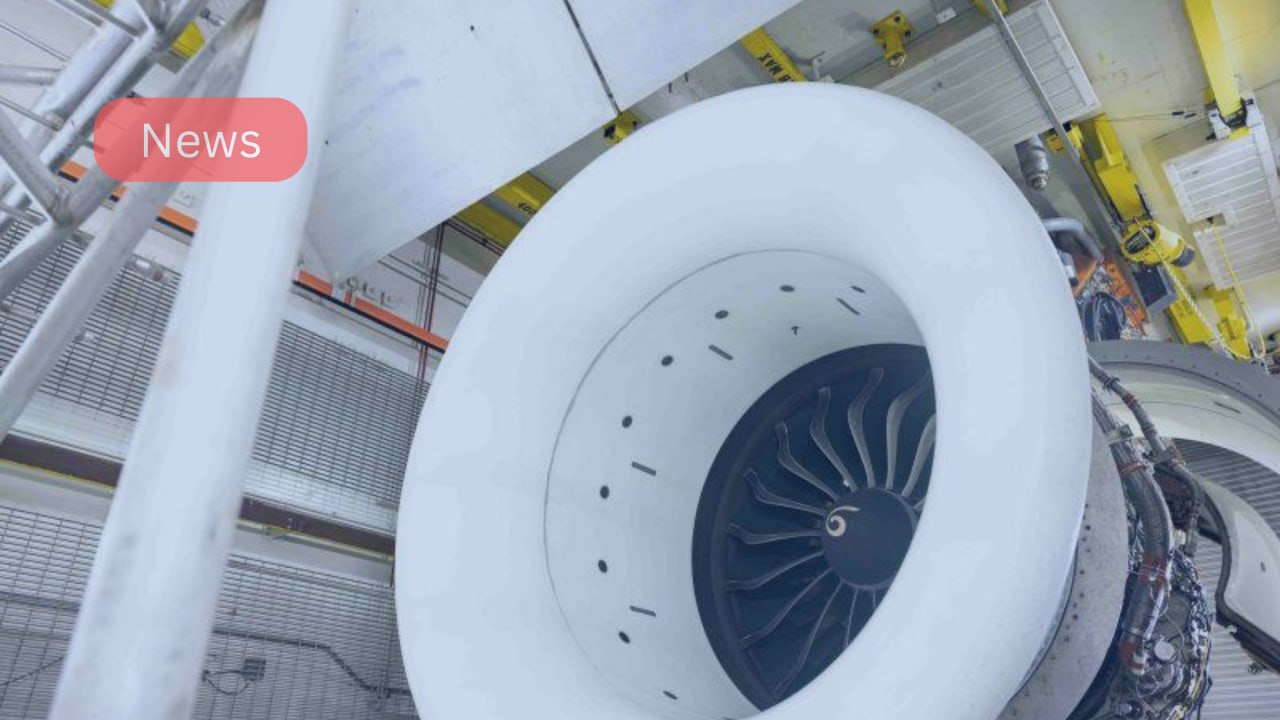

GE Aerospace has begun an important phase of CFM RISE engine dust ingestion testing, a development that could influence the future of commercial aircraft propulsion. According to aviation journalist Guy Norris of Aviation Week, engineers are testing next-generation high-pressure turbine blades derived from the Revolutionary Innovation for Sustainable Engines (RISE) program on a LEAP-1A engine.
The testing is taking place in Cincinnati and focuses on how turbine components perform when exposed to dust and particulate matter that simulate harsh operating environments. The effort aims to improve durability while supporting fuel-efficiency goals for future aircraft engines.
The RISE initiative is a joint technology program developed by CFM International, a partnership between GE Aerospace and Safran Aircraft Engines. The program seeks to develop propulsion technologies capable of reducing fuel consumption by more than 20% compared with current-generation commercial engines.
What Is Being Tested?
The current campaign evaluates advanced high-pressure turbine airfoils under dust-ingestion conditions.
According to GE Aerospace, specialized equipment injects a proprietary mixture of dust and sand into the engine across thousands of simulated flight cycles. These cycles replicate:
- Takeoff
- Climb
- Cruise
- Landing
The objective is to determine how critical engine components withstand severe environmental conditions over time.
This marks the earliest point in engine development that CFM has conducted such extensive dust-ingestion testing. Engineers hope that earlier durability validation will reduce future maintenance challenges experienced by some modern high-efficiency engines.
Why Aircraft Engine Durability Matters
Improving aircraft engine durability has become a major focus for manufacturers.
Modern engines operate at higher temperatures and pressures to improve fuel efficiency. While these advances reduce fuel burn, they can also increase sensitivity to environmental contaminants such as:
- Desert dust
- Sand particles
- Volcanic ash
- Airborne debris
These particles can erode turbine surfaces and reduce engine life if not properly addressed.
Airlines operating in the Middle East, Africa, and parts of Asia frequently encounter such conditions, making durability a significant operational requirement.
Background on the GE Aerospace RISE Program
The GE Aerospace RISE program was launched in 2021 to explore technologies that could help aviation reduce emissions while maintaining commercial viability.
Program objectives include:
- More than 20% lower fuel consumption
- Reduced carbon emissions
- Improved engine durability
- Advanced open-fan propulsion concepts
- Compact engine-core technologies
GE Aerospace reports that more than 350 technology demonstrations and tests have already been completed under the initiative.
Earlier testing included over 3,000 endurance cycles on turbine components before progressing to dust-ingestion evaluation.
Industry and Regulatory Context
Although the current testing is developmental, future commercial engines must comply with certification requirements established by aviation regulators.
Organizations such as:
- International Civil Aviation Organization
- International Air Transport Association
- European Union Aviation Safety Agency
- Federal Aviation Administration
support standards related to engine safety, reliability, and operational performance.
Dust-ingestion testing helps manufacturers demonstrate resilience under real-world operating conditions before certification and airline service entry.
Key Industry Impacts
Potential benefits include:
- Longer engine service intervals
- Reduced maintenance costs
- Better performance in desert environments
- Improved airline operational reliability
- Support for sustainable aviation technology goals
If successful, lessons from the RISE program may influence future commercial aircraft propulsion systems entering service during the 2030s.
What’s Next?
The next phase of the RISE technology program will include continued ground testing and preparation for larger demonstrator activities later this decade.
Industry observers will watch closely to determine whether the durability improvements demonstrated during laboratory testing translate into operational benefits for airlines.
As manufacturers pursue more efficient engines, balancing fuel savings with long-term reliability will remain one of aviation’s most important engineering challenges.







