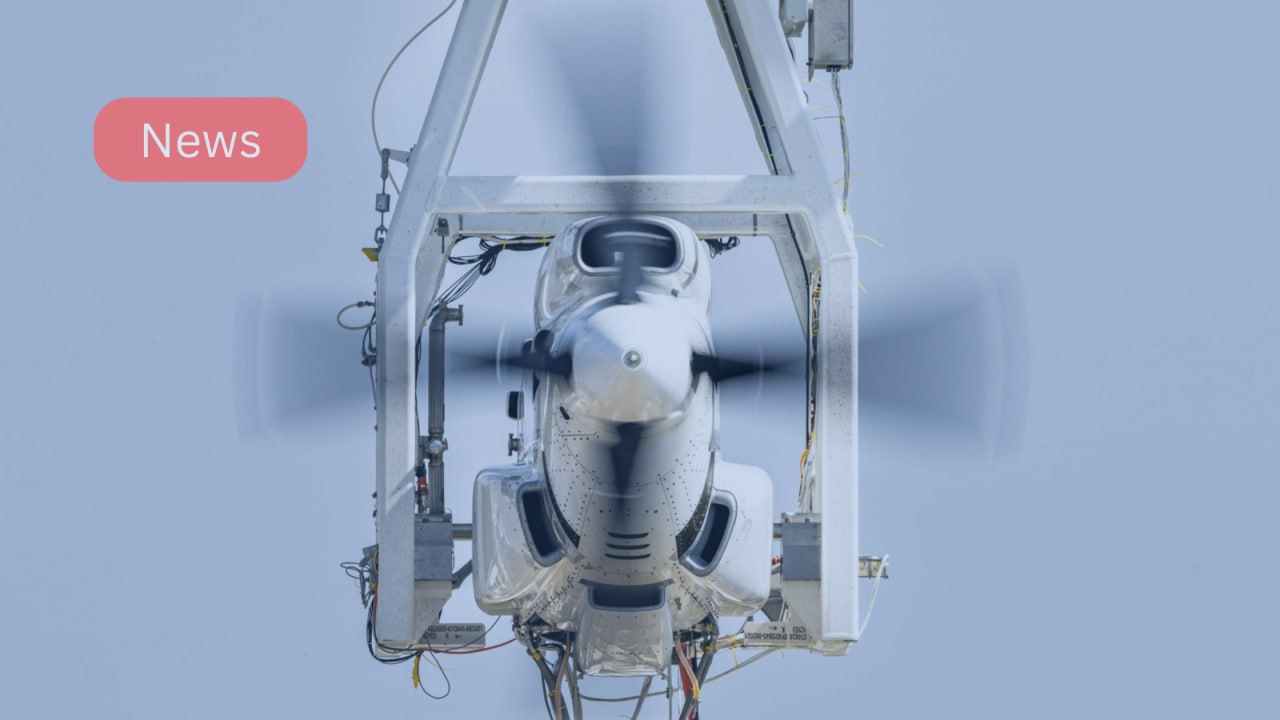

GE Aerospace has completed the first ground tests of its GE Hybrid CT7 Demonstrator, marking an important step toward future hybrid-electric aviation. According to aviation journalist reporting published by FlightGlobal, the tests validated the operation of an integrated hybrid-electric propulsion system developed under NASA’s Electrified Powertrain Flight Demonstration (EPFD) project.
The testing took place at GE Aerospace’s Peebles Test Operation facility in Ohio. Engineers evaluated a system combining a CT7 gas turbine engine with electric propulsion components, including motor-generators, power electronics, and battery-supported systems.
The milestone moves the program closer to future flight demonstrations and supports industry efforts to reduce aircraft fuel consumption and emissions.
Hybrid-Electric Aircraft Engine Technology Advances
Hybrid-electric propulsion combines traditional turbine engines with electric power systems. The goal is to optimize energy use during different phases of flight such as taxi, takeoff, climb, and cruise.
During the recent ground-test campaign, GE Aerospace successfully validated:
- Power generation from the turbine engine.
- Electric motor assistance.
- Battery charging functions.
- Integration of propulsion system controls.
- Simulated flight operations including takeoff and cruise conditions.
According to GE Aerospace Vice President for Future of Flight Arjan Hegeman, the testing demonstrates progress toward commercial hybrid-electric propulsion systems for next-generation aircraft.
How the NASA EPFD Program Supports Future Aircraft Propulsion
The project forms part of NASA’s Electrified Powertrain Flight Demonstration (EPFD) initiative.
The EPFD program seeks to accelerate development of technologies that can:
- Reduce aviation emissions.
- Improve fuel efficiency.
- Lower operating costs.
- Support future sustainable aircraft designs.
NASA and industry partners view hybrid-electric propulsion as a potential pathway toward meeting long-term environmental targets established across the aviation sector.
Industry organizations including the International Air Transport Association and the International Civil Aviation Organization have identified technology innovation as a critical component of aviation’s long-term emissions reduction strategy.
Why the GE Hybrid CT7 Demonstrator Matters
Unlike many experimental propulsion concepts, the GE system integrates flight-representative hardware intended to support eventual certification pathways.
The demonstrator includes:
- CT7 gas turbine engine technology.
- GE-developed electric motor-generators.
- Power converters and inverters.
- Aviation-grade control systems.
- Flightworthy propulsion components.
The project also builds upon more than a decade of hybrid-electric research conducted by GE Aerospace. Previous work included megawatt-class power system demonstrations and hybrid propulsion testing under NASA-supported programs.
Sustainable Aviation Technology Gains Momentum
Aircraft manufacturers and engine developers are investing heavily in sustainable aviation technology.
Several approaches are currently being pursued:
- Sustainable Aviation Fuel (SAF).
- Hydrogen propulsion.
- Battery-electric aircraft.
- Hybrid-electric propulsion.
- Advanced open-fan engine architectures.
Hybrid-electric systems are viewed by many industry analysts as one of the most practical near-to-medium-term solutions because they can leverage existing turbine technology while improving overall efficiency.
Industry Outlook
The successful completion of ground testing does not mean commercial deployment is imminent. Significant work remains, including:
- Flight testing.
- Certification development.
- Reliability validation.
- Economic assessment.
- Integration into future aircraft designs.
However, the GE Hybrid CT7 Demonstrator represents an important technical milestone. As NASA and industry partners continue advancing hybrid-electric propulsion, the results could influence the design of next-generation regional and commercial aircraft during the 2030s.







