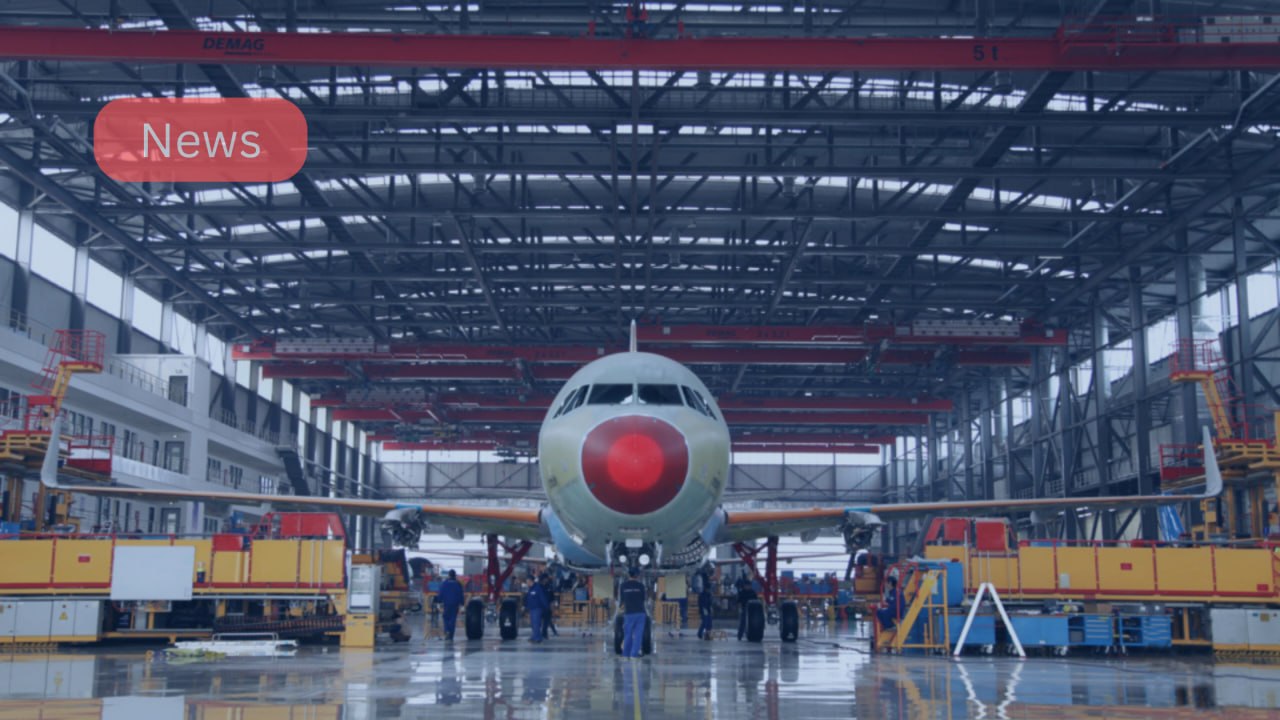

The Airbus Boeing aircraft backlog has reached a record level, highlighting the strength of global airline demand and the challenges facing aircraft manufacturers.
According to aviation journalist Joanna Bailey writing for Aerospace Global News, Airbus and Boeing together held a backlog of 16,683 commercial aircraft at the end of April 2026. The figure represents roughly 12 years of production at current manufacturing rates.
The backlog grew after airlines placed 164 aircraft orders during April, making it the strongest April for commercial aircraft demand since 2016. Orders increased by more than 700% compared with April 2025.
Airbus and Boeing Face Growing Production Pressure
While demand remains strong, manufacturers continue to struggle with production constraints.
Industry data shows 115 commercial aircraft were delivered during April 2026. Although deliveries increased compared with the previous year, they remain insufficient to significantly reduce the backlog.
Aircraft manufacturers continue to face challenges including:
- Engine shortages
- Supply chain disruptions
- Skilled labor shortages
- Certification requirements
- Production ramp-up constraints
These factors have slowed efforts to increase output across the aviation industry.
Widebody Aircraft Orders Show Strong Recovery
Airbus Boeing Aircraft Backlog Benefits from Long-Haul Demand
One of the most significant developments in the April data was the recovery in widebody aircraft demand.
ADS recorded 94 widebody aircraft orders during April 2026, compared with only 10 during the same month in 2025. The increase suggests renewed confidence in international travel and long-haul route growth.
Widebody aircraft play an important role in airline fleet expansion because they support:
- Intercontinental routes
- High-capacity international travel
- Cargo operations
- Network growth strategies
Industry activity supports this trend. Airlines such as Cathay Pacific continue evaluating additional widebody purchases to support long-term growth plans.
Aircraft Manufacturing Remains the Industry’s Biggest Challenge
Although airlines continue ordering aircraft, production growth remains slower than demand growth.
Airbus reported more than 9,000 aircraft in its backlog during the first quarter of 2026. The company has cited ongoing engine supply issues affecting production plans.
Boeing has made progress increasing 737 MAX production and is studying further increases. However, manufacturing recovery remains gradual following previous quality-control and production challenges.
Recent data illustrates the imbalance:
- Airbus backlog exceeds 9,000 aircraft.
- Combined industry backlog reached 16,683 aircraft.
- Airbus delivered 81 aircraft in May 2026.
- Boeing delivered 60 aircraft in May 2026.
These figures demonstrate that manufacturers still face significant pressure to accelerate deliveries.
Aviation Industry Context
The strong order environment reflects broader aviation recovery trends.
According to industry forecasts from major aviation organizations such as the International Air Transport Association and the International Civil Aviation Organization, global passenger traffic has continued recovering while airlines pursue fleet modernization programs focused on fuel efficiency and lower emissions.
Modern aircraft such as the Airbus A320neo family, Airbus A350, Boeing 737 MAX, and Boeing 787 Dreamliner offer improved fuel performance and lower operating costs. These benefits continue driving replacement demand across global airline fleets.
What’s Next for the Aircraft Manufacturing Sector?
The record backlog confirms that airlines remain confident about long-term air travel growth.
However, the next phase of the cycle will depend less on demand and more on production capacity.
Key factors to watch include:
- Airbus production ramp-up plans
- Boeing 737 MAX output increases
- Engine supplier performance
- Supply chain stability
- Future airline order activity
If manufacturers successfully increase production, delivery timelines could improve. If constraints persist, airlines may continue facing extended waits for new aircraft well into the next decade.







