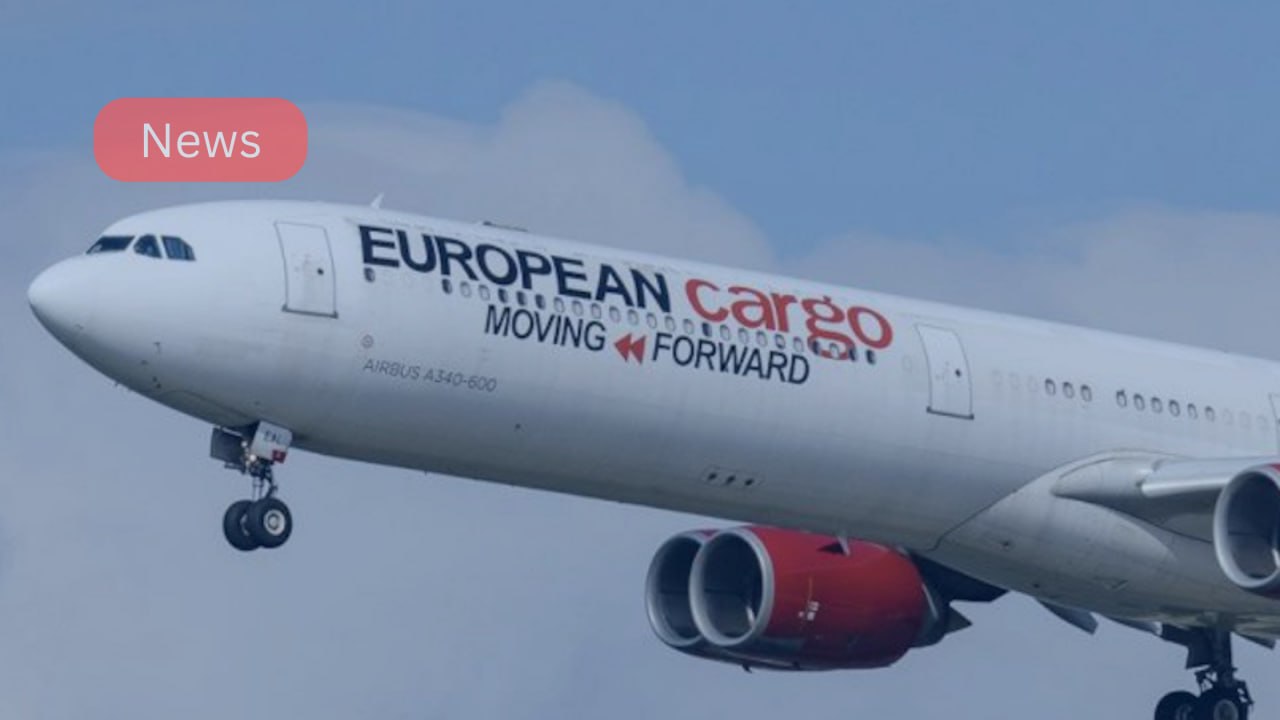

The European Cargo A340 fleet sale has officially entered its next phase after administrators launched a formal process to sell the UK cargo airline together with aircraft owned by Priority 1 Leasing. According to David Kaminski-Morrow of FlightGlobal, the sale follows the airline’s administration in early June 2026 and aims to identify buyers interested in acquiring either the operating business or its aircraft assets.
The process is being managed by administrators from Teneo Financial Advisory and provisional liquidators overseeing Priority 1 Leasing. Officials say the assets include an operational UK Air Operator Certificate (AOC), maintenance approvals, and a fleet of Airbus A340 aircraft capable of supporting future cargo operations.
Why the European Cargo A340 Fleet Sale Matters
European Cargo became known for operating converted Airbus A340-600 aircraft on long-haul cargo services, particularly between Asia and the United Kingdom during the post-pandemic air freight boom.
Administrators are marketing the package as an opportunity for investors seeking:
- an established UK cargo airline platform
- regulatory approvals
- long-haul cargo capability
- aircraft maintenance infrastructure
Available assets include:
- six flight-ready Airbus A340-600 converted freighters
- six additional stored A340-600 aircraft
- three stored A340-500 aircraft
- one A340-600 designated for spare parts
- a substantial engine inventory
- UK AOC
- Part-145 maintenance approval
- Continuing Airworthiness Management (CAM) approval
Background on the Administration
European Cargo formally entered administration on 3 June 2026, after suspending flight operations several weeks earlier.
Priority 1 Leasing, which owned much of the aircraft fleet, entered provisional liquidation later in June, prompting a coordinated sales process covering both the airline and its aircraft portfolio.
Industry analysts note that operating four-engine Airbus A340 aircraft has become increasingly challenging because of higher fuel consumption compared with newer twin-engine freighters, although converted A340s remain attractive for some specialized long-haul cargo missions.
Aviation Industry Context
The global cargo sector has experienced significant changes since the COVID-19 pandemic.
According to the International Air Transport Association, air cargo demand has stabilized after record pandemic highs while airlines continue modernizing fleets with more fuel-efficient aircraft.
Older aircraft such as the Airbus A340 have become increasingly difficult to operate economically, encouraging many operators to retire or repurpose them. However, converted aircraft can still serve niche cargo markets where acquisition costs remain relatively low.
Regulatory approvals such as a UK Air Operator Certificate and Part-145 maintenance authorization add considerable value because they allow faster market entry than establishing a new airline from scratch.
Potential Industry Impact
Possible implications include:
- Preservation of UK cargo aviation capability if a buyer continues operations.
- Increased availability of Airbus A340 aircraft on the secondary market.
- Opportunities for cargo operators seeking rapid market entry.
- Potential expansion of independent maintenance, repair and overhaul (MRO) services.
What Happens Next?
Administrators have invited interested parties to submit expressions of interest.
Potential outcomes include:
- sale of European Cargo as a going concern
- acquisition by an existing cargo airline
- purchase of aircraft individually
- creation of an independent maintenance business
No purchaser has yet been announced.
Industry Outlook
The outcome of the European Cargo A340 fleet sale will be closely watched across the air cargo industry. If successful, the transaction could preserve valuable aviation infrastructure while giving investors an opportunity to acquire certified cargo operations and a sizable fleet of widebody freighters. The sale also reflects broader trends in aviation restructuring as operators balance fleet modernization with demand for specialized cargo capacity.







