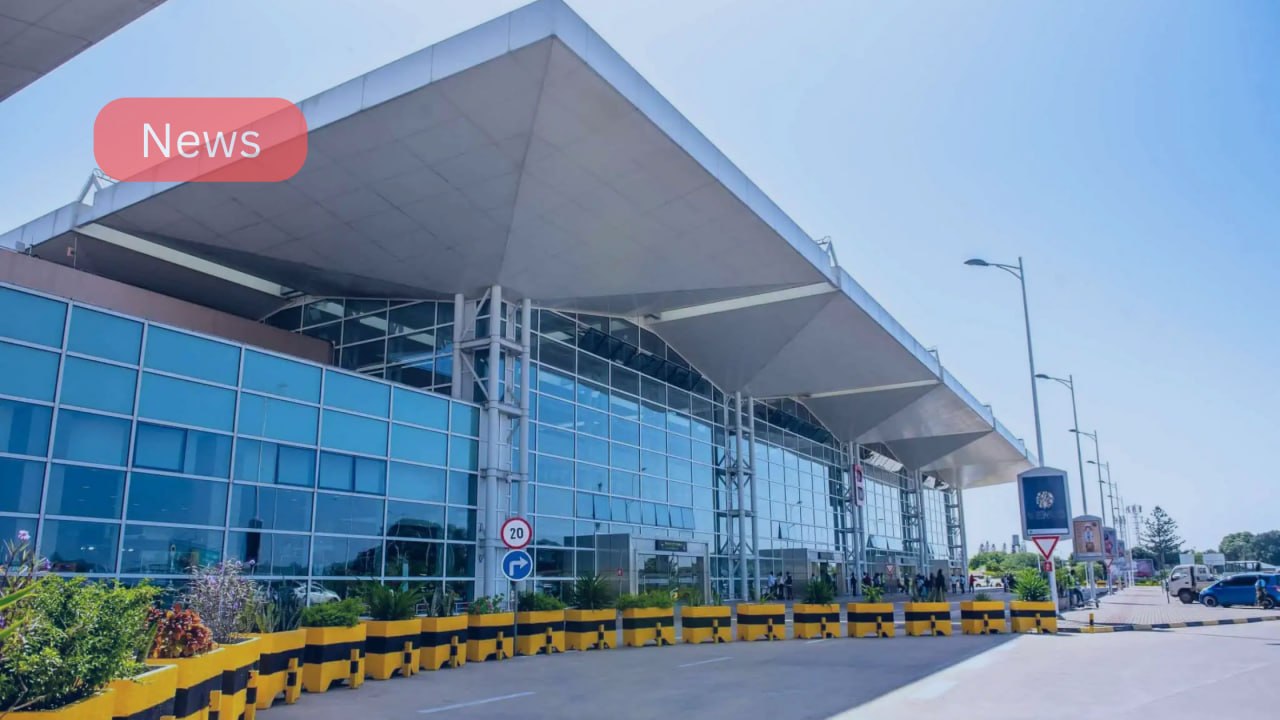

Airports of Mozambique negative share capital – Club of Mozambique reports on Deloitte’s going concern warning for AdM despite 2025 profits. Learn about its impact on African aviation infrastructure.
Auditors from global consulting firm Deloitte have issued a warning regarding the financial sustainability of Aeroportos de Moçambique (AdM). According to reporting published by state news agency AIM and featured on the publicly owned operator recorded an Airports of Mozambique negative share capital balance of 857 million meticais ($13.4 million USD) at the close of 2025.
The operator of Mozambique’s national network of 20 airports and aerodromes turned a net profit of 637 million meticais ($10 million USD) in 2025. This result reversed a massive 1.53 billion meticais net loss recorded in 2024. However, Deloitte emphasized that current liabilities continue to exceed current assets, creating material uncertainty about the entity’s operational continuity.
Deloitte Airport Audit Highlights Balance Sheet Vulnerabilities
The financial recovery resulted from a government-led debt-clearing initiative. In 2025, Mozambique’s Institute for the Management of State Holdings (IGEPE) executed a 3.78 billion meticais asset-and-liability reconciliation.
This transaction offset unpaid debts between AdM and state-owned flag carrier Linhas Aéreas de Moçambique (LAM).
While this non-cash accounting adjustment pushed operational results into positive territory, the fundamental balance sheet structure remains fragile. AdM still holds uncollected credits against LAM totaling 1.12 billion meticais, leaving the manager reliant on state backing.
State-Owned Airline Debt Recovery and Regional Aviation Dynamics
The inter-company financial strains between AdM and LAM highlight broader challenges across African state-owned aviation entities. The Deloitte airport audit confirms that AdM’s long-term stability depends heavily on the structural reform of the country’s national carrier.
International frameworks established by the International Civil Aviation Organization (ICAO) recommend that airport user charges remain cost-reflective. When national airlines default on landing fees and terminal tariffs, airport operators struggle to fund mandatory safety upgrades and runway maintenance.
This latest African aviation financial report demonstrates how sovereign interventions can temporarily stabilize income statements without resolving underlying equity deficits.
Mozambique Passenger Traffic Trends Point to Broader Headwinds
Commercial operations faced additional pressure throughout the year. Mozambique passenger traffic trends showed a noticeable decline across national gateways.
- Passenger Volumes: National airports handled 1.86 million passengers in 2025.
- Volume Decline: Traffic dropped by 9.3% compared to 2024 levels.
- Revenue Drivers: Lower flight frequencies reduced aeronautical tariff collection.
A regional downturn in tourism and reduced domestic travel contributed to lower passenger throughput. These factors restricted cash flow growth when AdM needed capital for infrastructure maintenance.
Industry Outlook: What’s Next for Mozambican Aviation?
To eliminate the Airports of Mozambique negative share capital position, state authorities must transition from temporary debt offsets to sustainable structural capitalization.
Priority Action Areas for Operational Continuity:
1. Capital Injection: Rebuilding equity through targeted sovereign recapitalization.
2. Tariff Enforcement: Standardizing collection schedules for domestic and international carriers.
3. Commercial Expansion: Expanding non-aeronautical revenue streams in terminal spaces.
4. Infrastructure Concessions: Engaging public-private partnerships (PPPs) for secondary regional hubs.
If traffic volume rebounds across Southern Africa, AdM can leverage its positive operating income to clear remaining liabilities. Until then, ongoing financial support from the state remains critical to maintaining air transport links throughout Mozambique.







