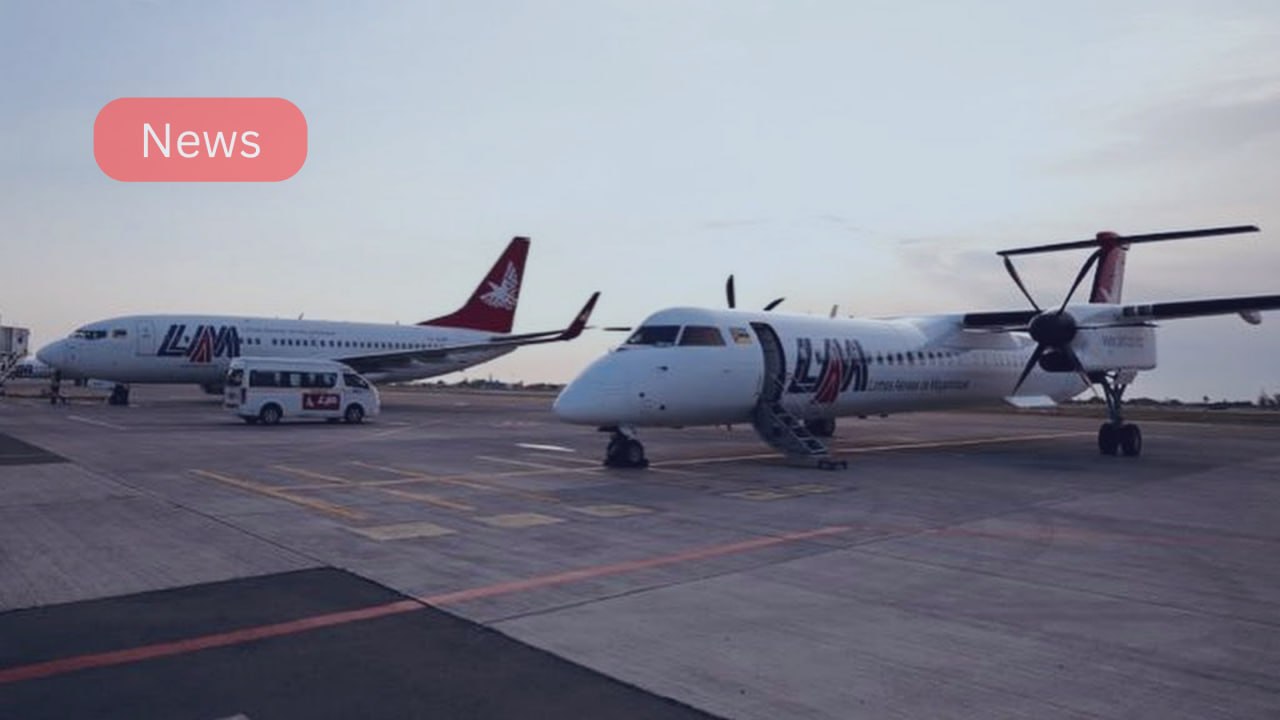

MAPUTO Mozambique’s flag carrier, Linhas Aéreas de Moçambique (LAM), has recorded a 37% increase in total assets following shareholder approval of its latest annual financial results. This growth marks a major turning point in the carrier’s multi-year effort to streamline operations, cut liabilities, and stabilize its balance sheet.
According to reporting published by Club of Mozambique, the state-owned airline closed the financial year with a net profit of 5.3 billion meticais (MT). Company leadership highlighted that the financial turnaround reflects aggressive cost rationalization and operational efficiency measures implemented across its domestic and regional networks.
Operational Rationalization and Fleet Restructuring
The recorded Mozambique LAM asset growth stems directly from systemic corporate restructuring. Beyond expanding its asset base, the carrier achieved a 13% reduction in overall liabilities, sharply cutting outstanding debt owed to fuel suppliers and airport operators. Operating expenses simultaneously dropped by 20%, aided by renegotiated vendor contracts and fuel optimization strategies.
To match airline operational capacity with realistic route demand, LAM executed a workforce resizing program. The initiative resulted in the departure of 130 employees through voluntary separation agreements and early retirement packages. Management stated that these labor adjustments were vital for long-term fiscal sustainability.
Industry Background and Financial Context
For over a decade, LAM operated under heavy fiscal strain. World Bank financial assessments show the airline carried debt exceeding $117 million, complicated by commercial interest rates over 20%. Domestic market liberalizations in 2017 brought brief competition from carriers like FastJet and Ethiopian Mozambique, but LAM remains the dominant provider on domestic routes.
To support this state airline financial restructuring, the Mozambican government injected 1.7 billion MT into the carrier. State-backed entities also acquired equity stakes to solidify liquidity:
- Hidroeléctrica de Cabora Bassa (HCB): Approved a $36 million investment structure, establishing Fly Moz to secure international aircraft financing.
- EMOSE & CFM: The state insurance firm and national railway authority each committed $22 million, shifting roughly 56% of company equity into broader state enterprise ownership.
Key Operational Impacts
These balance sheet adjustments directly influence the broader Mozambique transport sector:
- Restored Carrier Liquidity: Reduced debt burdens enable renewed investments in routine aircraft maintenance and spare part inventories.
- Network Reliability: Stabilizing domestic trunk routes between Maputo, Beira, and Nampula supports economic connectivity for extractive industries.
- Alignment with Regional Trends: According to the African Airlines Association (AFRAA), intra-African travel demand rose significantly post-pandemic. Aligning fleet capacity helps LAM capture growing regional transit traffic.
What’s Next: Industry Outlook
While Mozambique LAM asset growth demonstrates tangible balance sheet recovery, leadership acknowledges that structural challenges remain. Consolidating long-term liquidity and modernizing the active fleet require continued capital discipline.
As the government considers selling up to 91% of its share capital to strategic private partners, maintaining high safety standards under International Civil Aviation Organization (ICAO) guidelines and International Air Transport Association (IATA) operational audits will be essential to attracting global aviation investors.







