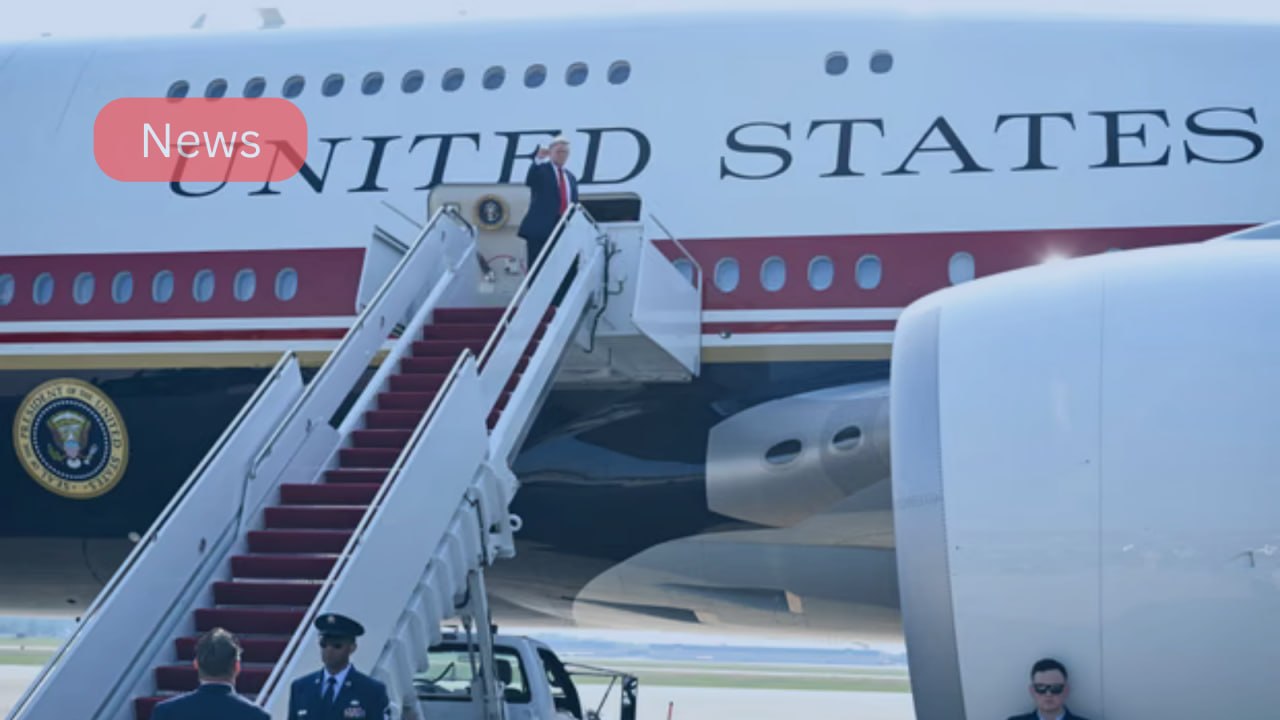

In a dramatic shift in presidential flight operations, US officials ordered an immediate aircraft swap in Ankara, Turkey, earlier this month following intelligence of a credible missile hazard. According to The Guardian journalist Marina Dunbar in her coverage of The New York Times and CBS News reports, the decision stemmed directly from a specific Air Force One Iran threat posed by regional proxy forces.
President Donald Trump originally arrived in Turkey aboard a newly acquired, Qatari-donated Boeing 747-8. However, after US intelligence agencies intercepted credible threat data involving surface-to-air missile targeting, the US Secret Service advised an immediate transition back to the heavily defended legacy VC-25A presidential aircraft for the return journey to Washington.
This unexpected operational maneuver highlights the growing risks facing VIP flight security protocols in volatile airspace zones. While the donated jet lacked advanced military-grade countermeasures, the legacy Air Force One fleet possesses extensive defensive capabilities designed to defeat incoming projectile threats.
Defensive Deficits: Comparing Presidential Transports
The operational decision in Ankara underscores key technical differences between commercial-spec VIP aircraft and fully fitted presidential transports. US national security agencies routinely evaluate airspace threat environments using guidelines established by the International Civil Aviation Organization (ICAO) and the Federal Aviation Administration (FAA).
Standard commercial airliners lack missile avoidance systems such as Large Aircraft Infrared Countermeasures (LAIRCM). In contrast, dedicated presidential aircraft utilize directional laser countermeasures to blind heat-seeking missiles, dramatically improving survivability in high-risk zones.
Key Factors Behind the Ankara Flight Switch
- Targeted Threat Intelligence: Secret Service analysts detected credible plans by Iranian proxy groups to launch anti-aircraft missiles against presidential flight paths in the Middle East.
- Defensive Capability Gaps: The Qatari-gifted Boeing 747-8 had not yet undergone complete military hardening or countermeasure integration.
- Precautionary Rerouting: Officials mandated an unscheduled stopover at RAF Mildenhall in the United Kingdom to maintain safe transit boundaries.
Impact on Middle East Aviation Security and VIP Mobility
Regional instability across the Middle East continues to reshape Middle East aviation security for state and commercial operators alike. The threat environment around Turkey and Eastern Mediterranean airspace has prompted international bodies to increase oversight on high-altitude transit corridors.
The strategic implications extend beyond presidential logistics:
- Heightened Airspace Warnings: Aviation regulators maintain strict Notice to Air Missions (NOTAMs) across airspace adjacent to proxy conflicts.
- Escalated Fleet Protection: Heads of state traveling aboard Boeing 747 VIP transport jets must re-evaluate defensive suites when routing near conflict zones.
- Escort Requirements: Tactical air cover and airborne early warning support remain mandatory for presidential movements in sensitive regions.
What’s Next: Industry Outlook for Presidential Fleet Upgrades
The security event in Ankara accelerates urgency surrounding the complete militarization of the presidential fleet. Future presidential aircraft acquisitions must balance rapid deployment demands against rigorous defensive integration standards.
Moving forward, the US Department of Defense and defense contractors will prioritize complete countermeasure retrofits for all aircraft designated under presidential callsigns. As standoff threats from regional proxies evolve, presidential aircraft security protocols will mandate full electronic warfare suites and missile defense readiness prior to any international diplomatic missions.







