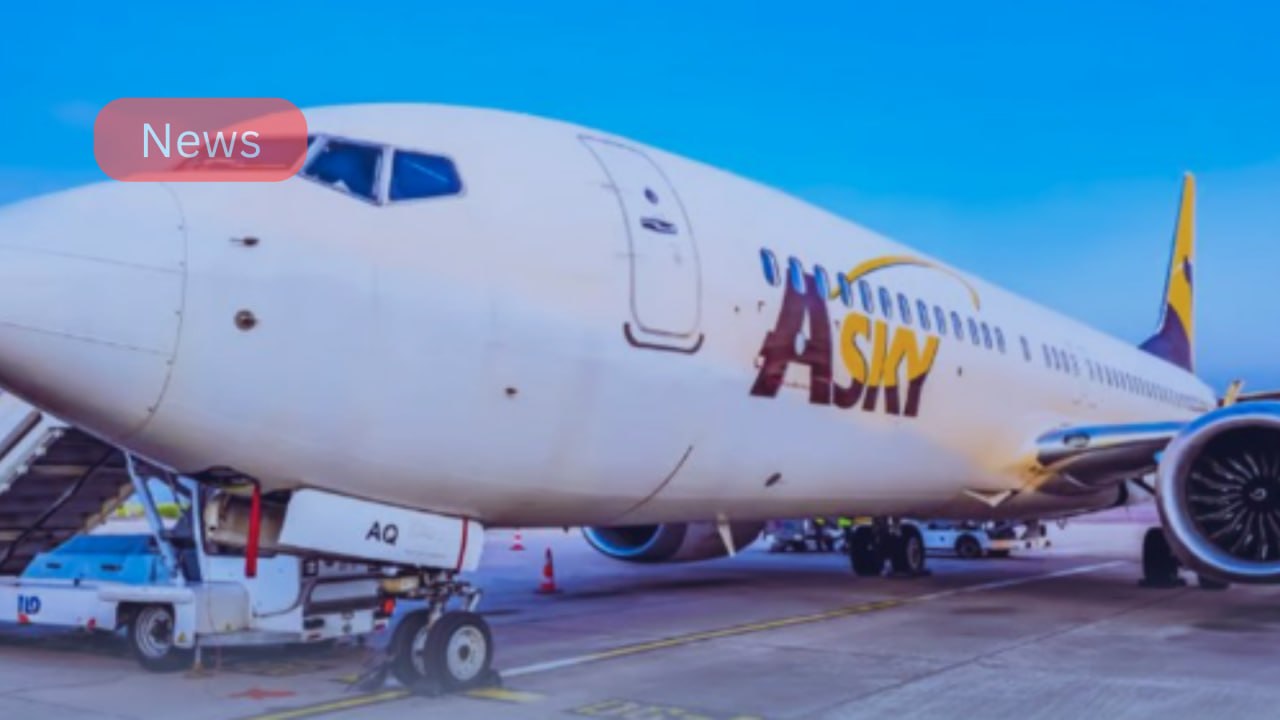

According to Addis Fortune staff writer Bezawit Huluager, pan-African carrier ASKY Airlines has anchored its next growth phase to a major overhaul of Gnassingbé Eyadéma International Airport in Lomé, Togo. However, with the hub operating near 80% capacity, the airline’s ambitious plan to double its fleet faces critical ground infrastructure constraints.
Strategic Fleet Growth in the West African Aviation Market
Founded to restore air connectivity following the collapse of Air Afrique, ASKY Airlines relies heavily on strategic partner Ethiopian Airlines, which holds a 40% equity stake and oversees technical operations. In 2025, ASKY transported 1.58 million passengers through Lomé, rapidly approaching the airport’s current two-million annual passenger cap.
To overcome these physical limitations, the Togolese government completed a six-stand apron expansion and is constructing a terminal extension alongside a DoubleTree by Hilton transit hotel. Additionally, ASKY and Ethiopian Airlines are building a $100 million maintenance, repair, and overhaul (MRO) facility and a flight simulator center in Lomé.
Key Expansion Milestones
- Fleet Modernization: Phasing out Boeing 737-800s to double the active fleet from 15 to 30 aircraft using Boeing 737 MAX 8 jets.
- New Deliveries: Received two Boeing 737 MAX 8 aircraft (registered ET-BCJ and ET-BCK) in July 2026.
- Long-Haul Routes: Launching service to Paris in late 2027, followed by Boeing 787-9 Dreamliner deployments by late 2028.
- Regional Connectivity: Increasing route frequencies to daily services for Libreville, Brazzaville, Bangui, and Yaoundé, with new point-to-point regional routes.
Financial Hurdles: Trapped Airline Funds in Africa and High Operating Costs
Despite aggressive commercial targets, the carrier faces industry-wide financial obstacles. According to IATA, $1.2 billion in airline revenue remained trapped globally in 2025, with nearly 80% blocked in African markets due to foreign exchange shortages.
Furthermore, jet fuel costs in the region remain 63% higher than the global average. While sourcing fuel from Nigeria’s Dangote refinery offers supply chain efficiency, experts emphasize that regulatory reform is vital for lasting price relief.
To ease passenger costs, ECOWAS mandated a 25% reduction in regional aviation taxes starting January 2026, with 12 member states initiating implementation. ASKY CEO Esayas Woldemariam emphasized that deeper airline alliances are required to unlock the Single African Air Transport Market (SAATM).
Industry Outlook: What’s Next for Togolese Aviation
As ASKY prepares to introduce widebody aircraft and open European corridors, ground infrastructure timing will determine its growth trajectory. While current terminal modifications provide immediate breathing room, aviation analysts agree that a second passenger terminal is mandatory within the decade to prevent operational chokepoints in the expanding West African aviation market.







