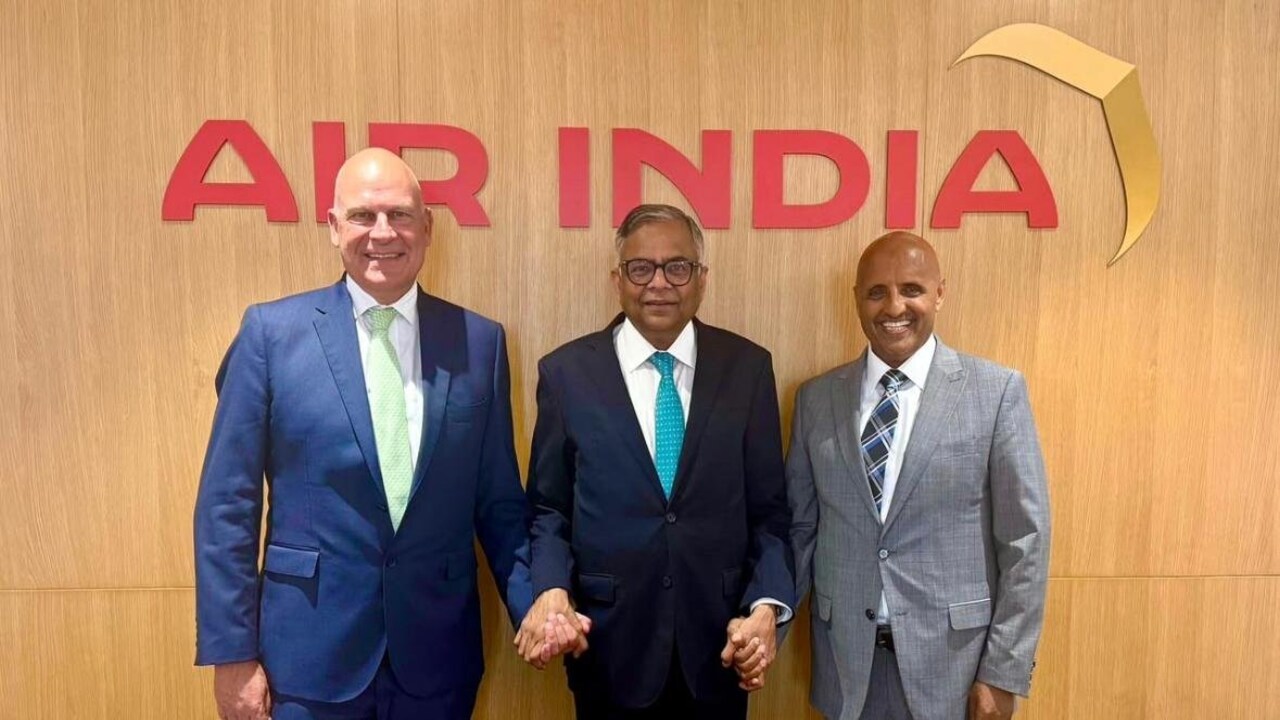

According to reporting by The Economic Times, the Air India Board of Directors met at Bombay House in Mumbai to finalize operational priorities and clear the runway for incoming Chief Executive Officer Tewolde Gebremariam. The high-profile Air India leadership transition marks a pivotal shift as outgoing CEO Campbell Wilson steps down, handing operational oversight to one of global aviation’s most decorated turnaround strategists.
The board meeting, chaired by Tata Sons Chairman N. Chandrasekaran, focused on approving remuneration frameworks, evaluating long-haul flight operations, and addressing pressing safety and execution priorities. With Tata Group holding controlling interest and Singapore Airlines maintaining a 25.1% stake, the board expressed full alignment behind Gebremariam’s multi-year execution roadmap.
A Turnaround Veteran Enters the Cockpit
Tewolde Gebremariam takes charge following a distinguished 11-year tenure at Ethiopian Airlines Group, where he quadrupled annual revenues and established the carrier as Africa’s dominant aviation hub. His arrival introduces proven aviation management expertise to the Indian aviation market, which is currently witnessing intense competition and rapid infrastructure expansion.
Addressing airline staff, Gebremariam committed to a “safety-first” culture alongside relentless operational execution. “Our top priority is absolute reliability, world-class maintenance standards, and restoring customer trust,” Gebremariam stated during his inaugural address.
Strategic Focus: Expanding International Flight Routes and Safety
The next phase of the Tata Group airline strategy requires transitioning Air India from foundational integration into a profitable, high-growth global enterprise. Central to Gebremariam’s mandate is strengthening international flight routes connecting North America, Europe, and East Asia directly with primary Indian hubs.
Key operational pillars established by the board include:
- Safety Protocols & Maintenance: Enforcing rigorous maintenance, repair, and overhaul (MRO) standards across all widebody and narrowbody fleets.
- Hub Optimization: Transforming Indira Gandhi International Airport (Delhi) and Chhatrapati Shivaji Maharaj International Airport (Mumbai) into seamless international connection points.
- Fleet Retrofitting: Accelerating legacy cabin upgrades to compete directly with premier global carriers.
Industry Outlook: What’s Next for Air India?
As the Air India leadership transition completes its initial administrative phase, industry analysts expect a sharpened focus on cost discipline and fleet deployment efficiency. Gebremariam’s extensive experience in developing carrier partnerships and expanding long-haul networks positions Air India to capture growing international travel demand originating from the subcontinent.
Regulatory coordination with India’s Directorate General of Civil Aviation (DGCA) and the Ministry of Civil Aviation will remain vital as the carrier executes its long-term fleet modernizations.







