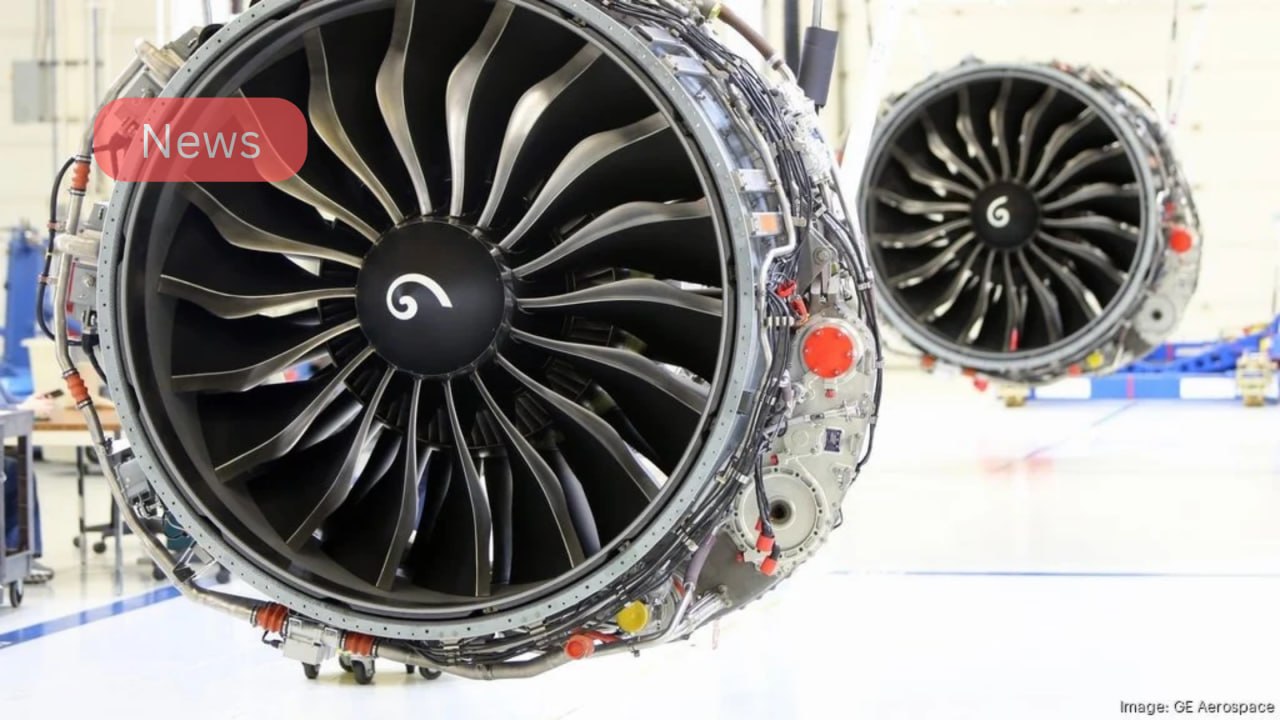

Turkish Airlines and CFM International recently signed a Memorandum of Understanding. This agreement covers the purchase of more than 300 LEAP-1B engines. According to GE Aerospace press releases, this acquisition will power new Boeing 737 MAX aircraft. The carrier previously ordered 100 firm and 50 optional jets in September.
This strategic move solidifies the airline’s rapid expansion plans. The long-term services agreement covers the entire Boeing 737 MAX fleet for the airline and its subsidiary, AJet. Altogether, the growing network will operate more than 600 LEAP-1B engines. This scale makes it one of the largest single-carrier deployments of this propulsion system globally.
Boosting Aviation Maintenance MRO in Türkiye
Beyond the hardware acquisition, this deal represents a significant industrial investment. The MoU includes a material services agreement. This framework establishes a world-class engine maintenance, repair, and overhaul (MRO) ecosystem in Istanbul.
Turkish Technic, the maintenance arm of the airline group, will spearhead this initiative. Mikail Akbulut, CEO of Turkish Technic, noted that the company will aggressively invest in engine maintenance services. This capability secures a domestic industrial hub for aviation maintenance MRO. It reduces reliance on foreign repair stations and greatly improves aircraft turnaround times.
Strategic Insights from GE Aerospace and Safran
CFM International operates as a joint venture between GE Aerospace and Safran Aircraft Engines. Leaders from both legacy aerospace firms emphasized the importance of this four-decade partnership.
Lawrence Culp, Jr., CEO of GE Aerospace, stated that providing highly reliable engines is a profound responsibility. Similarly, Safran CEO Olivier Andriès highlighted a shared commitment to an open MRO ecosystem. This open approach provides airlines with the flexibility required to manage operational costs effectively.
Key Impacts of the Agreement
- Engine Volume: The airline ordered over 300 new LEAP-1B engines, including necessary spare units.
- Total Fleet Scale: The combined Turkish Airlines and AJet fleet will utilize over 600 LEAP-1B engines.
- Aircraft Platform: The engines will power 150 total Boeing 737 MAX jets.
- Global Reach: Turkish Airlines currently operates a massive fleet of 569 aircraft flying to 133 countries.
- Industrial Growth: The deal catalyzes a new state-of-the-art MRO facility managed locally by Turkish Technic.
Aligning with IATA and Global Aviation Policy
This fleet modernization aligns closely with global aviation policy. The International Air Transport Association (IATA) continually pushes airlines to adopt more fuel-efficient technologies to meet aggressive carbon reduction goals. The LEAP engine family offers significantly lower fuel consumption and emissions compared to legacy engines. By integrating these engines, Turkish Airlines actively supports international sustainability targets while expanding its global footprint.
Industry Outlook: What’s Next for the Boeing 737 MAX Fleet?
This historic engine order arrives at a critical time. Global airlines are scrambling to secure next-generation aircraft and reliable MRO infrastructure. By pairing its Boeing 737 MAX fleet expansion with localized maintenance, Turkish Airlines insulates itself against global supply chain bottlenecks.
As international air travel continues its aggressive recovery, self-reliant carriers hold a distinct competitive advantage. The aviation industry will watch closely. Turkish Technic must rapidly scale its LEAP MRO operations to support this unprecedented commercial growth.







