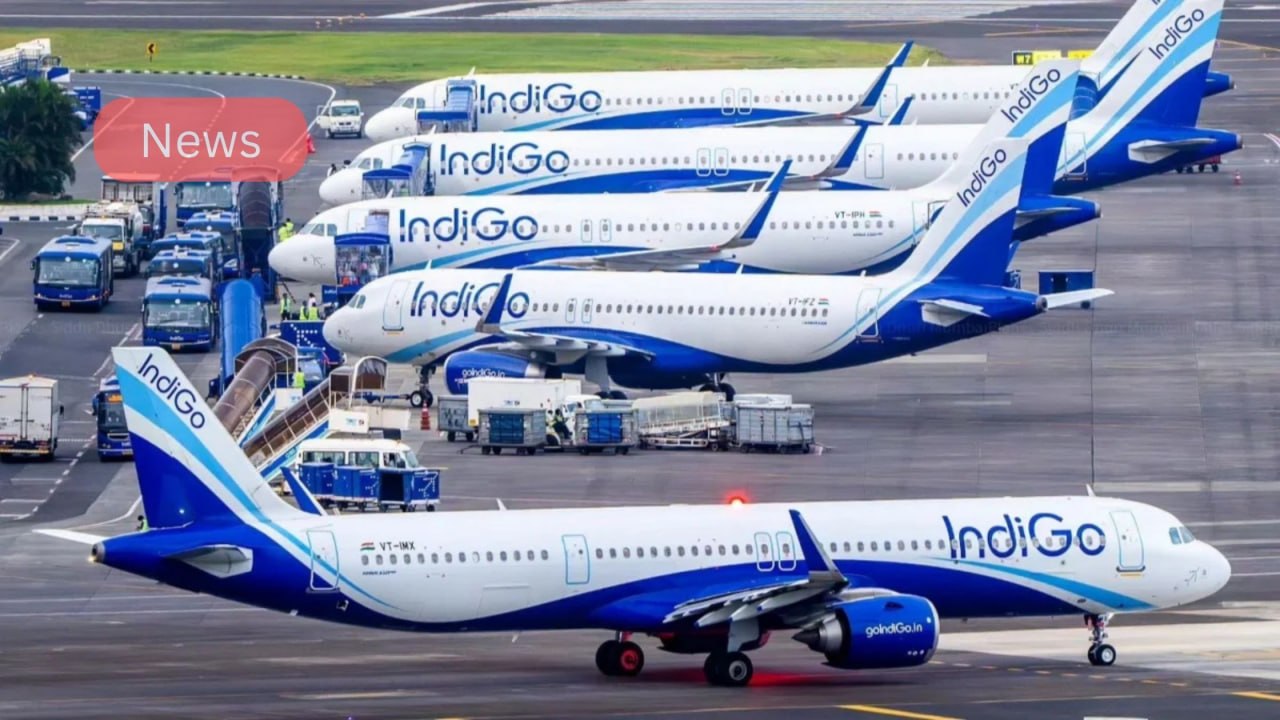

Major Indian airlines are making strategic moves to balance air traffic in the country’s financial capital. The planned IndiGo Navi Mumbai network shift will begin in early 2027. This move will transfer significant flight operations to the newly operational Navi Mumbai International Airport (NMI). Flights will move from Chhatrapati Shivaji Maharaj International Airport (BOM). The shift aims to relieve congestion during a major infrastructure upgrade.
The transition process will happen in carefully managed phases. According to an industry report by Bhavya Velani at Aviation A2Z, IndiGo will move 12 daily international departures. Air India Express will also participate by relocating select domestic routes and West Asian services. These changes directly support the Mumbai airport redevelopment project.
Airport operators and airlines want to ensure passenger convenience. By moving operations gradually, they plan to avoid widespread travel disruptions. Adani Airport Holdings Limited (AAHL) is coordinating closely with the airlines. The goal is to clear enough space at the existing airport to overhaul Terminal 1 without halting regional connectivity.
Key Timeline of the IndiGo Navi Mumbai Network Shift
IndiGo and AAHL finalized their transfer strategy in late October 2026. The airline plans to start its international operations from NMI in February 2027. The full transition will finish by July 2027. This carefully timed move gives travelers plenty of notice.
The airline will focus heavily on Middle East aviation flights. The planned transition impacts the following areas:
- International Departures: IndiGo will move 12 daily flights from Mumbai to Navi Mumbai.
- Existing Routes: The shift includes flights to Bahrain, Riyadh, Dammam, Jeddah, Madinah, Kuwait, Ras Al Khaimah, Fujairah, Muscat, Dhaka, and Jakarta.
- New Destinations: IndiGo will launch a brand-new daily service to Kathmandu from NMI.
- Domestic Feeder Flights: The airline will also relocate specific domestic flights. This ensures smooth connections for international passengers.
By freeing up capacity at the older airport, IndiGo prepares for its own 2027 expansion. The airline expects new deliveries of Airbus A320 and A321XLR aircraft. These planes will enable longer routes across Asia, Africa, and Europe.
Air India Express Joins the Mumbai Airport Redevelopment
Air India Group is also participating in the operational shift. Air India Express will begin moving selected flights to the Navi Mumbai International Airport in December 2026. This allows the airline to secure a strong footprint at the new facility.
The airline will start with four daily domestic departures. Following this, it will expand its NMI presence in January 2027. The carrier plans to launch services to Kuwait and move its existing Oman flights.
By the summer of 2027, Air India Express will operate flights to six major West Asian destinations. These include Jeddah, Riyadh, Dammam, Doha, Muscat, and Sharjah. This phased strategy ensures airlines preserve their valuable historical operating slots at the original Mumbai airport. It also gives passengers more choices when booking travel.
Capacity Constraints and Aviation Policy
Mumbai has faced severe capacity constraints for years. Chhatrapati Shivaji Maharaj International Airport operates on a single-runway system. This limits its maximum daily aircraft movements. The upcoming Terminal 1 modernization requires temporary capacity reductions.
The International Air Transport Association (IATA) has previously urged close coordination during such transitions. Airlines must protect their slot allocations while minimizing passenger confusion. The two-airport system in Mumbai mirrors successful dual-hub models in cities like London and Tokyo.
This approach helps distribute passenger traffic evenly. It also limits operational bottlenecks. Market data shows that Air India Express operated over 1,400 scheduled departures in September 2026. Managing this volume across two airports requires precise logistical planning.
Industry Outlook: What’s Next for Middle East Aviation Flights
The IndiGo Navi Mumbai network shift highlights a massive transformation in Indian aviation. Navi Mumbai International Airport is rapidly becoming a vital second hub for the region. As airlines test the new infrastructure in December 2026, the industry will watch closely.
If the initial domestic transfers succeed, larger international moves will follow smoothly. The addition of new routes will boost trade and tourism. Air India Express and IndiGo will likely increase their market share in the Gulf sector. The successful execution of this dual-airport strategy will set a new benchmark for aviation infrastructure in South Asia.







