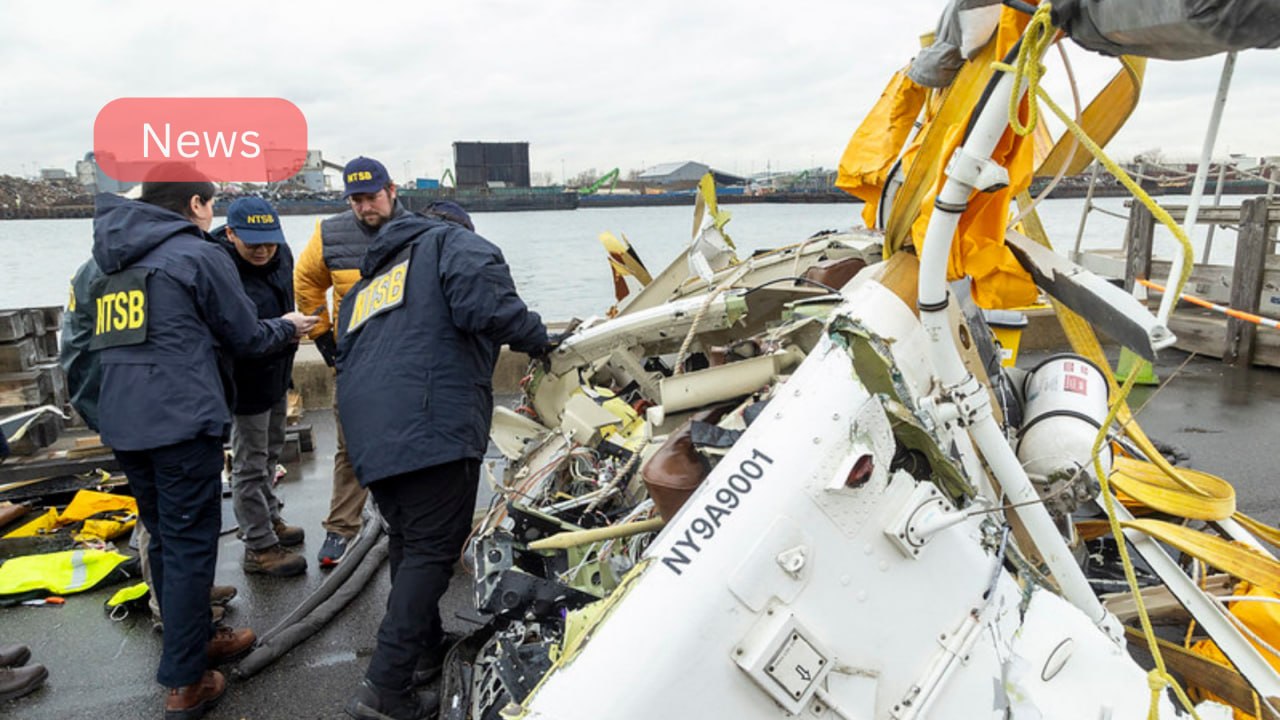

A sweeping FAA helicopter tour regulation investigation has officially begun. The U.S. Department of Transportation’s Office of Inspector General (OIG) launched a formal audit this month. Investigators will evaluate how the Federal Aviation Administration oversees the safety of commercial helicopter air tours. According to a recent article by FlightGlobal, a US transportation inspector will review operations at FAA headquarters and selected Flight Standards District Offices (FSDOs).
This federal scrutiny follows several high-profile aviation accidents and mounting congressional pressure. Seven members of Congress formally requested the audit in October 2025. They expressed deep concerns over fragmented regulatory frameworks and safety loopholes. The aviation industry now faces potential shifts in how tourist flights operate nationwide.
The Catalyst Behind the FAA Helicopter Tour Regulation Investigation
Safety concerns within the commercial air tours sector have escalated over the past few years. Investigators point to specific incidents and systemic regulatory overlaps that triggered the current DOT OIG audit.
Key milestones leading to the investigation include:
- April 10, 2025: A Bell 206 LongRanger IV conducting a sightseeing flight crashed over the Hudson River. The tragic accident killed all six people on board.
- October 2025: Seven members of Congress submitted a formal request. They demanded an immediate assessment of FAA oversight regarding helicopter air tourism.
- November 2025: A joint FAA-industry rulemaking committee published a critical report. The committee concluded that commercial air tour requirements remain scattered across multiple rules. This fragmentation creates overlapping and contradictory safety standards.
- November 2026: The OIG officially initiates the audit to evaluate FAA safety oversight and close operational loopholes.
Closing the Aerial Photography Loophole
A primary focus of the audit involves a glaring loophole identified by the NTSB. Currently, some commercial air tours operate under the classification of “aerial photography” flights. This classification allows operators to conduct flights using the less stringent safety requirements meant for private recreational pilots.
By exploiting this exemption, operators bypass the rigorous safety standards required for commercial passenger flights. The OIG audit notes that the extent of the FAA’s awareness regarding this exploitation remains unclear. The investigation will determine how many operators use these exemptions to avoid proper oversight.
Impact on Aviation Safety Standards
Raising aviation safety standards requires clear, enforceable regulations. When operators use loopholes to avoid commercial safety mandates, they put passengers at significant risk. The ongoing audit will likely force the FAA to consolidate its scattered rules.
A unified regulatory framework would eliminate contradictions. It would also empower local FSDO inspectors to enforce compliance uniformly across all commercial air tours. Enhanced surveillance and stricter certification standards represent the logical next steps for the industry.
Industry Outlook and What’s Next
The FAA helicopter tour regulation investigation will unfold over the coming months. A US transportation inspector will sample specific helicopter tour operators across various districts. The findings will likely result in mandatory rule changes for the entire sector.
Operators should prepare for increased scrutiny. The FAA may soon eliminate the aerial photography exemption for passenger sightseeing flights. Furthermore, the agency will likely streamline its commercial air tour regulations into a single, cohesive framework. This transition will ultimately enhance passenger safety and restore public confidence in commercial air tours.







