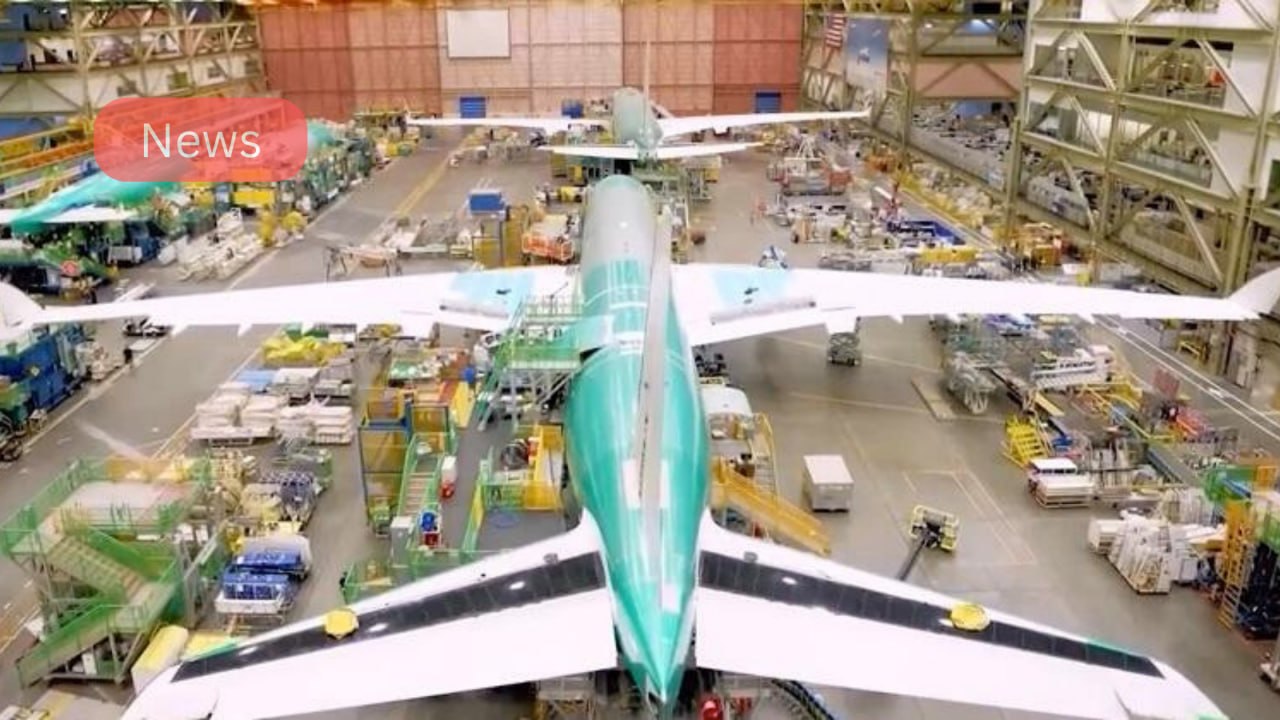

Emirates Airline is raising the alarm over its future fleet development. Emirates Boeing 777X production concerns are mounting as the carrier anticipates its first delivery in the second quarter of 2027. The airline worries about Boeing’s ability to maintain a steady manufacturing ramp for subsequent aircraft.
According to a recent interview on Aviation Week’s Window Seat podcast, Emirates President Sir Tim Clark voiced serious doubts about Boeing’s production pipeline. The Dubai-based airline fears that systemic manufacturing bottlenecks will disrupt its long-term expansion plans.
The Root of Emirates Boeing 777X Production Concerns
The core issue involves what happens after the initial delivery. Emirates expects its first Boeing 777-9 to arrive in 2027. However, airline leadership is highly anxious about the pacing of the second, third, and fourth deliveries. The aviation certification process has faced severe, multi-year delays. These hurdles have forced Boeing to pause and restart testing multiple times.
Sir Tim Clark recently confirmed a major fleet decision. Emirates will reject the earliest-built 777X airframes. Many of these jets were assembled years ago. Bringing them up to current FAA safety standards requires too much rework. Consequently, Boeing must build fresh airframes to fulfill the Emirates order. This requirement adds massive pressure to an already strained production line.
Impact on Middle East Aviation News
These aircraft supply challenges affect more than just Emirates. The 777X is meant to be the flagship of the future. It is designed to replace aging A380s and older 777 models. Any further 777X delivery delays will create a severe domino effect. Airlines must extend expensive leases on older jets. They also face higher engine maintenance costs to keep current planes flying safely.
In the broader context of Middle East aviation news, Dubai International Airport relies heavily on Emirates’ capacity. The airline needs high-density widebody jets to meet surging global passenger demand. A lack of new aircraft forces airlines to adjust their route networks and limits global connectivity.
Timeline of 777X Delivery Delays
Boeing’s 777X program has suffered numerous setbacks. The original target for entry into commercial service was 2020.
- 2021: The FAA delayed type certification, citing a lack of design maturity.
- 2022: Engine anomalies forced Boeing to temporarily pause the test program.
- August 2024: Boeing grounded the test fleet after finding damaged engine-to-wing structural links.
- October 2024: First delivery officially slipped to 2026 for launch customer Lufthansa following workplace strikes.
- October 2025: Deliveries were pushed again to 2027, adding up to $4 billion in financial charges for Boeing.
- November 2025: The FAA officially approved Phase 3 of the Type Inspection Authorization (TIA) process.
Overcoming Aircraft Supply Challenges
Boeing faces a monumental task over the next two years. The manufacturer currently holds over 600 orders for the 777X family. They must clear a massive backlog while adhering to strict safety protocols. The global aerospace supply chain remains fragile. Parts shortages and labor disputes have further hampered Boeing’s recovery efforts.
To satisfy the aviation certification process, Boeing must complete rigorous real-world testing. The FAA is closely supervising Phase 3 of the TIA process. This phase involves extensive documentation and exhaustive safety checks. It remains the most challenging regulatory hurdle before final commercial approval.
What’s Next: Industry Outlook
The global aviation industry is watching Boeing closely. The American manufacturer must prove it can execute a reliable production ramp. If they fail to meet the 2027 targets, major airlines may look for alternative solutions. Sir Tim Clark has already renewed his vocal support for a modernized Airbus A380 concept to bridge the capacity gap.
In the short term, airlines will endure higher operational costs. They must invest heavily in maintaining older aircraft to keep schedules intact. The long-term outlook depends entirely on Boeing’s factory performance. A smooth, predictable production ramp after 2027 will help restore industry confidence. Further delays, however, could reshape the global aviation market and widebody dynamics entirely.







