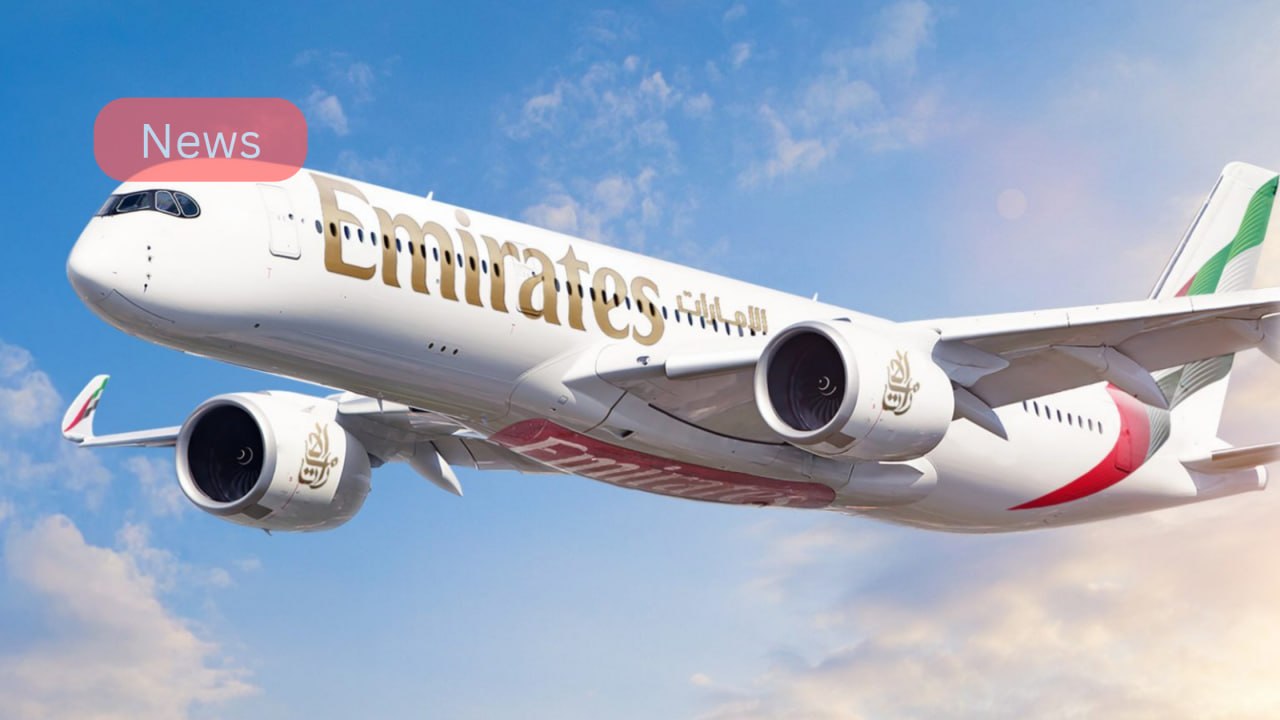

In a groundbreaking move for Middle East aviation finance, Dubai-based Emirates completed a 12-year Emirates A350 Shariah-compliant financing deal in November 2026. This transaction funds the Airbus A350-900 acquisition for two wide-body jets joining the fleet this year. Emirates partnered with Dubai Islamic Bank (DIB) and France’s Natixis Corporate & Investment Banking (Natixis CIB) to finalize the arrangement. The deal successfully merges a traditional French lease framework with Islamic finance principles. This innovative approach allows the airline to secure alternative capital while adhering to strict legal and religious guidelines.
According to a comprehensive article published by FlightGlobal, this transaction represents a rare integration of two complex financial structures. The publication notes that integrating Western tax models with Islamic funding creates a powerful new blueprint for the global aviation industry.
The Mechanics of Emirates A350 Shariah-Compliant Financing
The new financing model integrates two frameworks that normally operate entirely separately. French leasing offers distinct financial and tax advantages under French law. Meanwhile, Islamic finance strictly prohibits conventional interest-based lending. By combining these structures, Emirates unlocks a highly optimized funding source.
Natixis CIB acted as the lease arranger and Islamic financier. Dubai Islamic Bank served as the co-Islamic financier and handled the Shariah structuring. This collaboration took nearly a year of meticulous planning. The teams had to ensure the deal satisfied both French legal requirements and Islamic law over its full 12-year term.
Impact on Middle East Aviation Finance
This deal holds significant implications for the broader aviation sector. Airlines face massive capital requirements to renew and expand their fleets. Traditional US dollar loans and Western leasing companies often dominate these transactions. However, this new model opens direct doors to regional liquidity.
Key impacts of this financing structure include:
- Capital Diversification: Airlines reduce their reliance on conventional Western banking systems and interest rate fluctuations.
- Cost Optimization: Blending French tax advantages with Islamic liquidity potentially lowers the overall cost of funding.
- Industry Blueprint: This repeatable model paves the way for other global carriers to tap into Islamic aviation leasing for large-scale acquisitions.
- Regional Growth: The deal strengthens the role of Middle Eastern financial institutions in global aviation markets.
Emirates Fleet Expansion and Future Strategy
Emirates is actively modernizing its operations to meet growing global travel demand. The airline has ordered a total of 65 Airbus A350-900 aircraft. These efficient wide-body jets will gradually replace older models and expand the airline’s medium- and long-haul capacity. The two aircraft funded by this specific deal will integrate into the network immediately in 2026.
Modernizing a fleet of this size requires massive, sustained investment. The International Air Transport Association (IATA) frequently highlights the need for airlines to maintain robust, diversified financial strategies to survive market volatility. By pioneering this unique Islamic aviation leasing model, Emirates secures the capital necessary to maintain its competitive edge without overexposing itself to single-market risks.
Deniz Billion, Executive Director of Aviation Finance at Natixis, highlighted the importance of this innovation. He stated that the transaction demonstrates exactly how airlines can access diversified pools of capital while simultaneously reducing their overall funding costs.
Industry Outlook: What’s Next?
The successful completion of this deal sets a new precedent for aircraft financing. As global interest rates remain unpredictable, more airlines will likely explore hybrid funding models. Industry analysts expect a surge in Middle East aviation finance products tailored for international carriers. The framework established by Emirates, DIB, and Natixis CIB proves that complex, cross-border regulatory challenges can be overcome. Over the next decade, Islamic aviation leasing could become a mainstream, highly sought-after tool for major airlines worldwide.







