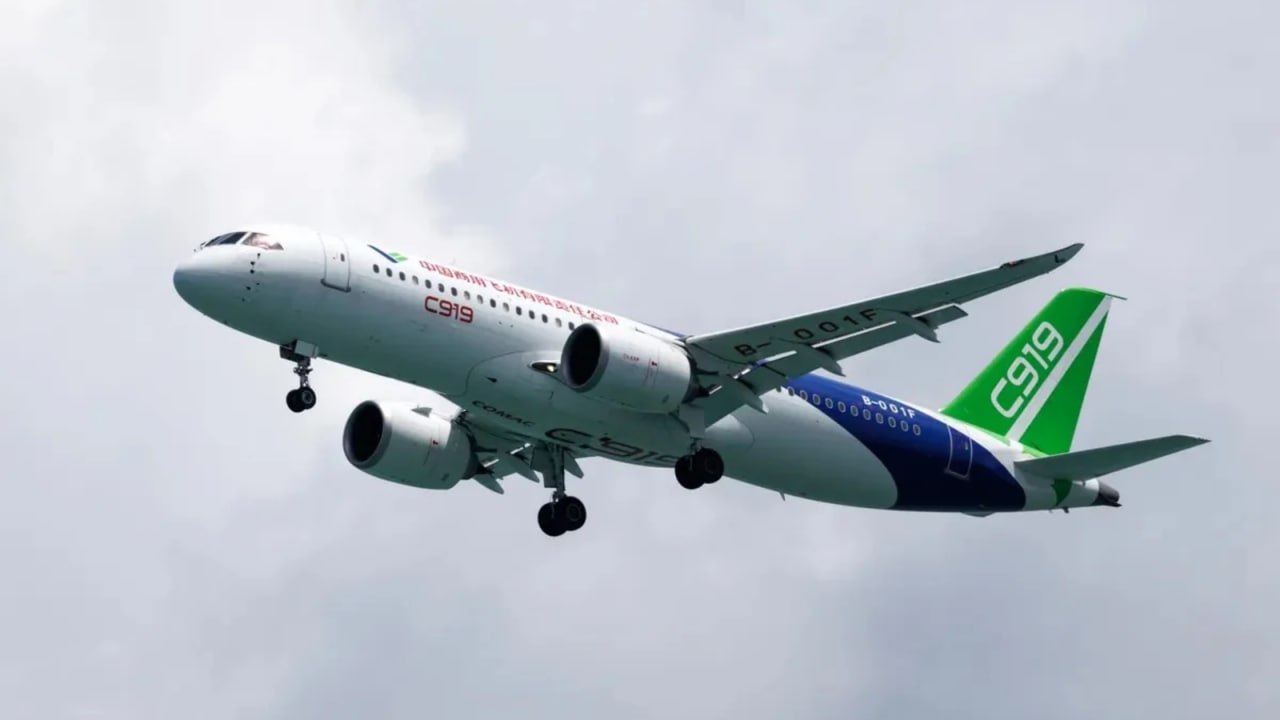

Emirates has urged the global aviation industry to prepare for China to challenge the long-standing Airbus and Boeing duopoly in commercial aircraft manufacturing. In a report published on November 10, 2026, Bloomberg highlighted remarks from Emirates President Sir Tim Clark, who argued that China has demonstrated the resolve to catch up and lead in major industries. The warning comes as airlines worldwide face tight aircraft supply, delivery backlogs, and rising operating costs.
According to a November 10, 2026 report by Bloomberg, Emirates views China’s push in commercial aviation—led by the COMAC C919 aircraft competition—as a strategic shift that carriers cannot ignore. Clark’s comments reflect growing executive focus on how COMAC could reshape long-term commercial aircraft supply chains over the coming decades.
Rather than treating China’s ambitions as a distant novelty, Emirates frames COMAC C919 aircraft competition as an inevitability that requires proactive planning. For airlines, manufacturers, and regulators, the central question is not whether Beijing wants a larger footprint, but how quickly it can scale production and win international trust.
Why COMAC C919 Aircraft Competition Matters Now
Global demand for new airliners remains strong over the next twenty years. Both Boeing and Airbus project tens of thousands of new aircraft deliveries through 2045 as passenger traffic expands and older fleets retire.
At the same time, airlines have dealt with persistent commercial aircraft supply chains bottlenecks and engine or delivery delays. When delivery slots stretch years into the future, carriers pay closer attention to any new entrant that can add capacity.
- Fleet pressure: Airlines continue replacing older jets while managing tight delivery schedules across major manufacturers.
- Narrow-body focus: The COMAC C919 targets the high-volume single-aisle market occupied by the Boeing 737 MAX and Airbus A320neo family.
- Regional expansion: Chinese carriers have moved from purely domestic operations toward limited international routes with the C919, including Air China launching scheduled service between Beijing and Ulaanbaatar in August 2026.
Regulatory Hurdles and Supply Chain Realities
Despite ambitious goals, COMAC still faces major technical, regulatory, and industrial obstacles before rivaling Airbus and Boeing globally. Independent 2026 aviation comparisons show that Airbus and Boeing deliver dozens of aircraft per month between them, while C919 output has remained far smaller.
Certification outside China also takes time. While the C919 holds type certification from the Civil Aviation Administration of China (CAAC), broader entry into Western markets depends on approvals from regulators such as the European Union Aviation Safety Agency (EASA), which officials have indicated could take years to complete.
In addition, commercial aircraft supply chains remain deeply interconnected. COMAC has relied on foreign suppliers for key systems and engines, meaning export controls or trade friction can directly affect production pacing.
- Certification gap: CAAC approval allows domestic and select regional operations, whereas EASA validation remains a multi-year process.
- Component reliance: Key propulsion and avionics systems involve international suppliers, exposing schedules to geopolitical shifts.
- Wide-body absence: COMAC still lacks a wide-body airliner in commercial service comparable to long-haul Airbus and Boeing jets.
Industry Outlook
Over the near term, Airbus and Boeing retain overwhelming advantages in fleet scale, global maintenance networks, and regulatory acceptance. Most commercial airlines will continue relying on established Western aircraft families for the immediate future.
Looking further ahead, Emirates‘ warning underscores a gradual shift in industry strategy. If COMAC raises production rates, secures wider aircraft certification approvals, and builds reliable global support, commercial aircraft supply chains could become noticeably more competitive by the 2030s.







