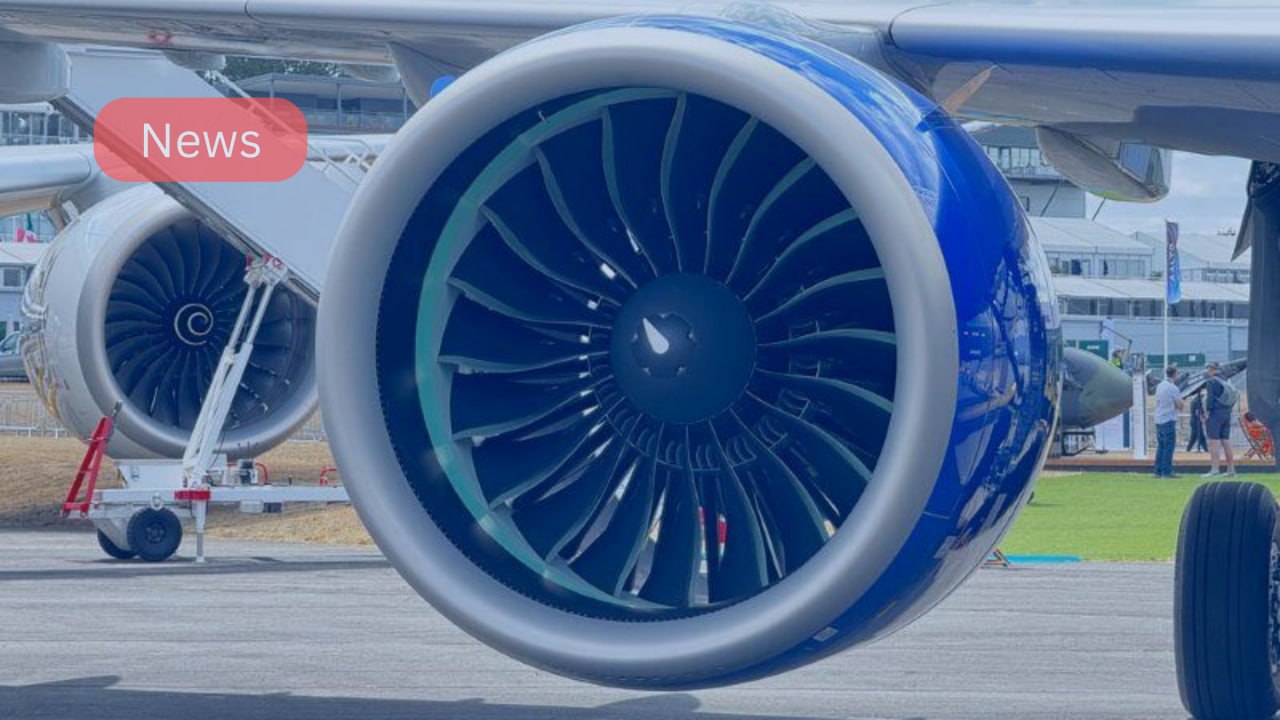

Commercial aviation leaders are actively re-evaluating the traditional aero engine business model as severe supply chain bottlenecks, rising material costs, and unexpected engine durability issues squeeze aerospace profits. According to Aviation Week Senior Business Editor Michael Bruno, engine manufacturers and airline operators are reassessing how risk and revenue flow through long-term maintenance agreements.
For decades, the commercial engine sector operated on a “razor-and-blade” strategy. Manufacturers sold jet engines at break-even prices or steep discounts. OEMs then recouped initial capital expenditures through multi-decade commercial engine MRO contracts. Today, lingering commercial aviation supply chain disruptions have disrupted that economic balance.
Why the Traditional Aero Engine Business Model Is Under Pressure
Under classic Power-by-the-Hour (PBTH) contracts, airlines pay a fixed rate per flight hour to cover maintenance. OEMs guarantee engine availability and bear the financial risk of unscheduled shop visits.
Recent operational challenges have made this fixed-fee arrangement difficult to maintain:
- Lower Time-on-Wing: Next-generation high-bypass turbofans run at hotter temperatures and higher pressure ratios. Harvester environmental conditions and thermal stress cause components to require earlier maintenance than originally predicted.
- Rising Airline Maintenance Costs: Inflation in raw materials, high-temperature alloys, and skilled labor has significantly raised shop visit costs.
- Turnaround Time Delays: Shortages of spare parts have extended engine overhaul cycle times, forcing OEMs to pay penalties or supply costly spare engines.
As a result, engine makers absorb higher costs while airlines face grounded aircraft due to spare engine shortages.
How OEMs and Airlines Are Restructuring Contracts
Industry leaders are altering contract terms to create a more resilient risk-sharing framework. OEM sales teams are negotiating dynamic pricing clauses into new long-term service agreements (LTSAs).
These contract updates include several key adjustments:
- Indexed Rate Adjustments: Maintenance fees now link directly to specific aerospace labor and materials inflation indices rather than fixed annual escalators.
- Durability Risk Corridors: Contracts establish shared financial responsibility if engine components fail to reach targeted flight-hour thresholds.
- Expanded Third-Party MRO Access: Major OEMs are granting qualified independent maintenance providers access to official overhaul manuals and proprietary parts to alleviate shop capacity bottlenecks.
Industry Outlook: What’s Next for Aero Propulsion
The evolution of commercial engine contracts will shape fleet management strategies for the remainder of the decade. As airlines manage narrowbody fleet utilization, predictable maintenance costs remain essential for balance sheet stability.
- OEM Financial Strategy: Engine manufacturers will seek higher margins on initial engine sales to balance aftermarket risk.
- Airline Operational Strategy: Operators will demand stricter turnaround guarantees and larger spare-engine pools before signing exclusive LTSAs.
- MRO Market Growth: Independent maintenance facilities with secured spare parts access will capture a growing market share as overhaul backlogs persist.