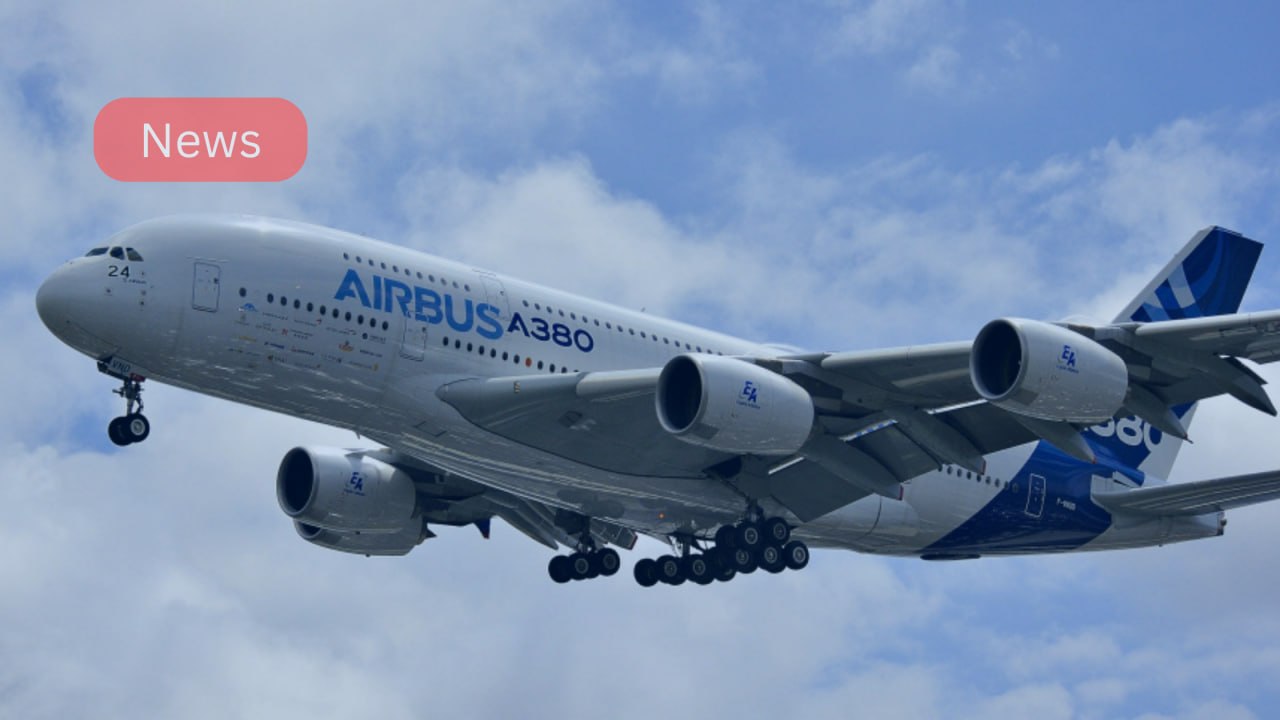

Biman Bangladesh Airlines is reviewing a fresh aircraft proposal from Airbus just weeks after completing a major fleet expansion agreement with Boeing.
According to aviation journalist Rashidul Hasan in The Daily Star aviation report, Airbus recently submitted a proposal offering four A350-900 widebody aircraft and six A321neo narrowbody jets to the Bangladeshi national carrier.
The renewed Airbus proposal arrives shortly after Biman finalized a $3.7 billion Boeing agreement involving 14 aircraft, including Boeing 787 Dreamliners and 737 MAX jets. The order represents the airline’s largest fleet expansion in decades.
Biman Boeing Deal Reshapes Bangladesh Aviation Industry
The Boeing agreement includes:
- Eight Boeing 787-10 aircraft
- Two Boeing 787-9 Dreamliners
- Four Boeing 737 MAX 8 aircraft
Deliveries are expected to begin in 2031.
Industry analysts view the order as strategically important for Bangladesh’s growing aviation market. Passenger demand continues to rise due to:
- Expanding middle-class travel
- Overseas labor migration
- Increased regional connectivity
- Dhaka airport infrastructure upgrades
Reuters reported that Bangladesh also considered broader trade relations with the United States while finalizing the Boeing purchase.
Airbus A350 Proposal Targets Mixed-Fleet Strategy
Airbus executives continue promoting a mixed-fleet strategy for Biman.
During meetings in Dhaka earlier this month, Airbus Vice President Edward Delahaye argued that operating both Airbus and Boeing aircraft could improve operational flexibility and increase pricing leverage for the airline.
The proposed aircraft include:
Airbus A350-900
- Long-range widebody aircraft
- Designed for international routes
- Competes directly with Boeing’s 787 Dreamliner family
Airbus A321neo
- Fuel-efficient narrowbody aircraft
- Suitable for regional and medium-haul operations
- Popular among rapidly expanding Asian carriers
Airbus has pursued entry into Biman’s fleet for several years. Earlier discussions intensified after visits by European leaders, including French President Emmanuel Macron in 2023.
Trade Politics Influencing Aircraft Procurement
The Biman Boeing deal also reflects broader geopolitical and trade considerations.
Reuters reported Bangladesh sought to reduce trade tensions with the United States while addressing tariff concerns linked to its export sector.
Bangladesh’s garment industry depends heavily on US market access. Aviation procurement became part of wider economic negotiations involving:
- Aircraft purchases
- Agricultural imports
- Bilateral trade balance discussions
This dynamic highlights how major aircraft orders increasingly intersect with diplomacy and international trade policy.
Fleet Expansion and ICAO Aviation Standards
Fleet modernization is also tied to international aviation efficiency goals.
International Civil Aviation Organization and International Air Transport Association continue encouraging airlines to adopt newer fuel-efficient aircraft to reduce emissions and improve operational performance.
Both the Boeing 787 and Airbus A350 families are designed to:
- Lower fuel burn
- Reduce maintenance costs
- Improve long-haul efficiency
- Support sustainable aviation targets
For Biman, fleet renewal may help improve competitiveness against Gulf and Asian carriers operating in South Asia.
Industry Outlook
Bangladesh’s aviation market is entering a critical growth phase.
Biman’s Boeing expansion will significantly increase fleet capacity over the next decade, while Airbus continues lobbying for future participation in the airline’s modernization plans.
Key developments to watch include:
- Whether Biman adopts a mixed Airbus-Boeing fleet
- Financing arrangements for future aircraft orders
- Expansion of Dhaka’s international hub strategy
- Regional competition in South Asian aviation
The Airbus proposal demonstrates that competition for emerging aviation markets remains intense as manufacturers seek long-term strategic footholds in Asia.







